FULL SPEED THROUGH THE MORNING DARK

Full Speed Through The Morning Dark

By Matthew Tierney

Reviewed by Jorge Antonio Vallejos

While walking the strip at Word On The Street last week I looked at the many tables full of books, talked to different peoples, and enjoyed being in an atmosphere that celebrated the written word.

Publisher after publisher greeted me as I picked up books, read pages, and asked for catalogues. 

“What are you looking for,” said Wolsak and Wynn Publisher Noelle Allen.

“Poetry.  I run blackcoffeepoet.com,” I said.

Allen asked about the site.  I told her the schedule and the types of stuff I do.  She immediately pointed to Full Speed Through The Morning Dark by Matthew Tierney. 

I’m happy that she did.

I’d seen Tierney’s books at small press book fairs in Toronto.  I remember the cover well: blurry lights that race downward.  And the title is catchy; you want to see what’s inside and experience the high velocity journey. 

Once I opened the book I was not disappointed.

Tierney writes of his travels as a younger man in Japan, China, Siberia, Russia, and Ireland.  You’re taken to sumo matches, pool halls, pubs, and one of the coolest and longest train rides in the world: the Trans-Mongolian Express. 

As you read you’re not seeing through Tierney’s eyes, it feels more like you’re sitting beside him as he watches what he’ll later write down on paper.  As a people watcher (I think most writers are people watchers) I really appreciated Night Watch.  Tierney plays peeping tom to a man working out in the building across from his.  You see the mans core lifting him up and down during a sit up routine, the tatami mats that make up his workout space and sleeping quarters, and the television that Tierney describes so beautifully:

Behind him the television flickers

like a candle near the end of its wick. 

A glimpse into the life of one man, a moment come and gone like the flame of a candle that changes every millisecond.  It’s lines like this that has my fiction writer friend say, “I’m scared and jealous of poets!”

Sumos is a poem about many things: big men smacking against one another, pool balls clacking loud as they sink and scatter, one friend dominating the other in a game.  Drink after drink, fight after fight, sink after sink, miss after miss, Tierney records it all in 20 lines, some that would make my fiction writer friend cringe more than she already does:

Ed says “Remember the skinny guy?”

and leans into the first break a refreshing snap that

litters the table with possibilities.  I remember a failed

attempt to soft-shoe right the sound of skull on skull

like the rip of gristle from a chicken bone.

Is Tierney talking about pool?  Sumo?  Competition with Ed? Thoughts on failure, his future?  All of the above?

You get a glance at Tierney the writer in Trans-Mongolian Express: Beijing to Moscow (Second Class).  He shares his excitement as a young traveler: “Punch a friends arm, board a train.  Begin.”  He acknowledges the privilege of being a North American traveler: “feeling good about ourselves the way you can from behind glass”.  And the descriptions that have fiction writers jealous:

The door to our berth is closed but unlocked

rattling in it’s metal tracks.

This percussive language.  Four days.

Then he writes of his own writing; how all of the above came to be; “passing a station full speed through the morning dark”; ink traveling from Siberia to Toronto to this Brown boy’s hands, words he’ll be studying for a while:

I shift my journal so the empty page catches sunlight,

wonder how much longer my pen will last,

how many more words are in it.

There will be no more pens till Moscow,

when everything makes sense again. 

It all makes sense to the reader and especially to writers.  I carry four to five pens with me out of fear that I’ll run out of ink while my ideas are fresh, the space I’m in is good, and the place being described surrounds me.  Tierney has inspired me to write of my own travels, to play with language more, and to use quotes as prompts as he’s done in several poems. 

Full Speed Through The Morning Dark is Matthew Tierney’s first book.  I’m excited to read his second, The Hayflick Limit, and the third that is coming out in 2012.

Tune into BlackCoffeePoet.com Wednesday October 5, 2011 for an inclusive interview with Matthew Tierney.

Posted in Poetry | Tagged , , , , , , , , , | 1 Comment

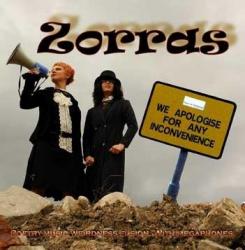
ZORRAS PERFORM “AFTER GOING OUT”

It’s not often that you meet a dynamic duo who fights crime with their words.  

Zorras don’t have guns or badges.  They use verse rather than violence.   

Listen to their drum, ingest their words, practice what they preach.

Watching them perform is amazing.  They don’t apologise for any inconvenience.

Enjoy their tune After Going Out!

Tune into BlackCoffeePoet.com Monday October 3, 2011 for a review of Full Speed Through by Matthew Tierney.

Posted in Poetry | Tagged , , , , , , | Leave a comment

INTERVIEW WITH ZORRAS

Scottish-Canadian poet Sandra Alland and Belgian-Venezuelan musician Y. Josephine formed the multimedia performance troupe, Zorras, in Edinburgh in 2007. They quickly became known for their unique bilingual mixture of text, sound poetry, percussion, singing, guitar, megaphones and projected images. Zorras inject passion and humour into both personal experiences and cutting observations of our troubling times. 

BCP: Why did you start writing poetry?

Y: I have no idea why I started writing or composing. Or breathing.

SA: I don’t remember a why either. I remember an impulse.

BCP: What is your writing process?

Y: I do a lot of automatic writing, and follow-your-intuition kind of composing. Not sleeping helps.

SA: It varies. Sometimes it’s an impulse, inspiration. A poem arrives out of nowhere, fast and almost fully formed. Other times it’s plodding and difficult. Those are probably the times I think too much about wanting to say something, instead of just letting it happen. Sometimes if I lack inspiration, though (cuz who can sit around waiting forever?), I look to the work of other poets. I try to have a poetic conversation with them.

I spend a lot of time editing and re-writing. I’m an editing addict. I love considering many ways to express something. Some of my best work has come out of back-and-forth conversations with Stuart Ross, who edited both of my poetry books. And through input from other writers and friends.

BCP: Has writing poetry informed your other writing?

SA: I like this question a lot. I think it most certainly has. I find it difficult to write longer short stories; my stories are about two pages max. I think about almost every phrase – about how it sounds, how it looks, whether it’s necessary. I’m not saying novelists don’t do this, but I think perhaps most of them are slightly less concerned (than poets are) with the role of language itself.

I’m a poet at heart. I write plays and short stories, make films and take photographs. But all of my work is arguably a derivative of poetry. 

BCP: How did Zorras come together?

Y: Accidentally. Sandra liked queers and Spanish tapas, and I worked in a queer Spanish café in Edinburgh. Sandra was organizing a reading and music series, and needed a musician. She heard from my co-worker that I played in a band and invited me to play. I asked her after the event if she’d like to collaborate.

SA: I said, “I thought you’d never ask.”

BCP: Why the name Zorras?

SA:Zorras” is a Spanish word with several meanings. The main meaning is “female fox” (or “vixen”).  But “zorra” is also commonly used to mean “slut” – if you Google Zorras you’ll find a tonne of porn (though now you’ll also find poetry, music and film).

Y: So you have, on the one hand, the male fox or “Zorro”, who is a superhero – and on the other hand, the slutty female. We decided to call ourselves Zorras because we wanted to be our own superheroes, and to reclaim yet another word with a negative connotation.

SA: And also because on the night of our first rehearsal in Edinburgh we saw a beautiful fox just chilling in a park. Urban foxes lead high-risk and short lives in the UK – people hunt them down or run them over. But they’re resilient.

Y: Zorras is made up of people who identify as queers, genderqueers, crips, women, migrants, poor and/or people of colour. So we feel a certain kinship.

BCP: Much of your writing is political.  Do you also write about the fun stuff of life?  Why or why not?

Y: If you check out our short film, El Villano/The Villain, you will see us having a ridiculous amount of fun. http://www.youtube.com/watch?v=Hw93-1SpyWM&feature=channel_video_title We both have a strange sense of humour, which is what I think brought us together.

SA: We are very into fun. A few of our pieces are ridiculous, silly and/or surreal, like Head Games. And yeah, we like humour, even in our political pieces. We think laughter is supremely important. But it’s true, we don’t have any pieces about how much fun we had on the weekend eating corn on the cob with our old friend Susy. I guess I consider that uninteresting to the audience. Though Susy is supremely interesting, don’t get me wrong.

BCP: You mix English and Spanish together in your poems.  Is that a difficult process?  Is translation a concern of yours?

Y: We both speak several languages (mainly Spanish and English) so it happens naturally. But yes, Sandra is obsessed with translation.

SA: Mostly with its failings. I’m into the concept of failure generally.

BCP: How has the European audience taken to your activist stance?  You sing about Palestine, Iraq, Afghanistan, and Ireland in After Going Out.  Are those subjects taboo where you are from?

SA: Because of a long story about borders and other ridiculousness, we’d only performed in London, Manchester, Glasgow and Edinburgh up until two months ago. Then we quickly ran off to Berlin, but we can’t really say much about European audiences overall.

I don’t think war and occupation are taboo subjects in Scotland or the UK, no. Or probably in most of Europe. When you live in the belly of the beast, it’s unavoidable.

Scotland has quite a large number of people supporting Palestine. Despite its deep problems with racism, Scotland has also kicked out the English Defense League (who want to reclaim Britain for “indigenous whites”) on many occasions – and wholeheartedly rejected the Conservatives in the last election.

England’s nuclear submarines are kept in Scotland. Weapons are delivered to Israel via Scotland. Some Scottish people have protested both Trident and gone as far as to try to intercept missile shipments. But like most places, there are many many people who support the Powers That Be.

In terms of audiences in general, though, we mostly perform for leftist, disabled, queer and/or experimental art events. I guess we *would* probably piss off a bunch of people – if they ever heard us 😉

BCP: You sing about Indigenous land rights.  Is the European audience educated in such matters?

SA: Mostly that’s a resounding, echoing No. It’s troubling to be in the Colonizer’s house, and the Colonizer appears to be suffering from acute memory loss. It’s something I’m disturbed by, and have been trying to write about. Here’s a few lines from Humpty Dumpty:

“For sale: dreamcatchers.

But

Cree   Onondaga   Tuscarora   Salish   Mohawk                        meet blank stares.”

Y: You can get Native American tarot cards. A lot of people wear Indian and Mexican costumes for stag & hen parties, and Hallowe’en…  of course, there are a few groups in Edinburgh, or who visit Edinburgh, that do great work to support Indigenous people.

But most people don’t have a clue.

BCP: Non-accessible academic writing, long and boring speeches, and yelling slogans on a megaphone are given precedence over poetry in the activist world. 

What role do you see poetry having in activism?  How can poetry get more than a quarter of a page in a magazine (if at all) and be used as more than an opener at events?

SA: Poetry has the ability to move people in a short amount of reading or listening time. That’s powerful stuff.

Poetry will only get more attention in the media when power structures change. But in our own communities, perhaps more poets and other artists need to be at the centre of the organizing process for activist events. Art encourages creative thinking, which can inspire activist communities to try new tactics.

BCP: How long did it take to put the CD together?

Y: A year and half of writing, performing and rehearsing, two days of recording, three days of mixing. We worked with a really great guy who knows what he’s doing – Andy Duncan.

BCP: How has the tour been going?  Where are you performing? ? Is it hard getting gigs as a traveling poetry act?

SA: The tour has been fabulous. We’re meeting really wonderful, generous people. Saint Catharines’ Grey Borders was heavenly, Toronto Women’s Bookstore ditto. We’re performing in Montreal this week, Toronto twice again next week, then Cobourg, Kingston and a few others. We’re also teaching. Details for public events are here: http://www.facebook.com/ZorrasBand (click on “BandPage” on the left).

What’s been extra-great is the beautiful reception we’ve received from smaller places like Cobourg (22 Kings Gallery). Some people assume small towns are terrible, art-starved places, but there are often plenty of people in small places struggling against all odds to make art part of the landscape. Cobourg has a new indie art gallery and a new indie bookshop. Also, they have at least one punk band. We know this because the sweet sweet Mahones are lending us sound equipment.

Y: It’s really easy for us to get gigs. What’s harder is getting paid gigs, lol. Or to be specific, paid gigs for people we like. When you put your communities first, and your communities are mostly broke-ass communities, you often end up with no caviar.

BCP: Palestinian rights are very important to you.  Has reading the Palestinian poetry of helped you in understanding the Palestinian struggle?

Y: All freedom struggles are important to us.

SA: I’ve read more articles, blogs and non-fiction books. I’ve read some Palestinian poetry, but not enough. I used to work in an amazing bookshop in Toronto (This Ain’t the Rosedale Library, RIP), and hung out at Toronto Women’s Bookstore too, but we don’t have anything comparable in Edinburgh. Accessing books that aren’t mainstream is difficult. Funding for translation is probably at an international all-time low, too.

BCP: As people who sing and write, do you see poetry and song related?  Has one helped the other?

Both: Yes and yes.

BCP: What advice do you have for young singers and writers?

SA: We compiled a list!

1. Read.

2. Listen. 

3. Rehearse.

4. Follow your heart.

5. Rehearse again.

6. Floss.

Tune into BlackCoffeePoet.com Friday September 30, 2011 for a video of Zorras performing “After Going Out”.

Posted in Poetry | Tagged , , , , , , , , , , , | 1 Comment

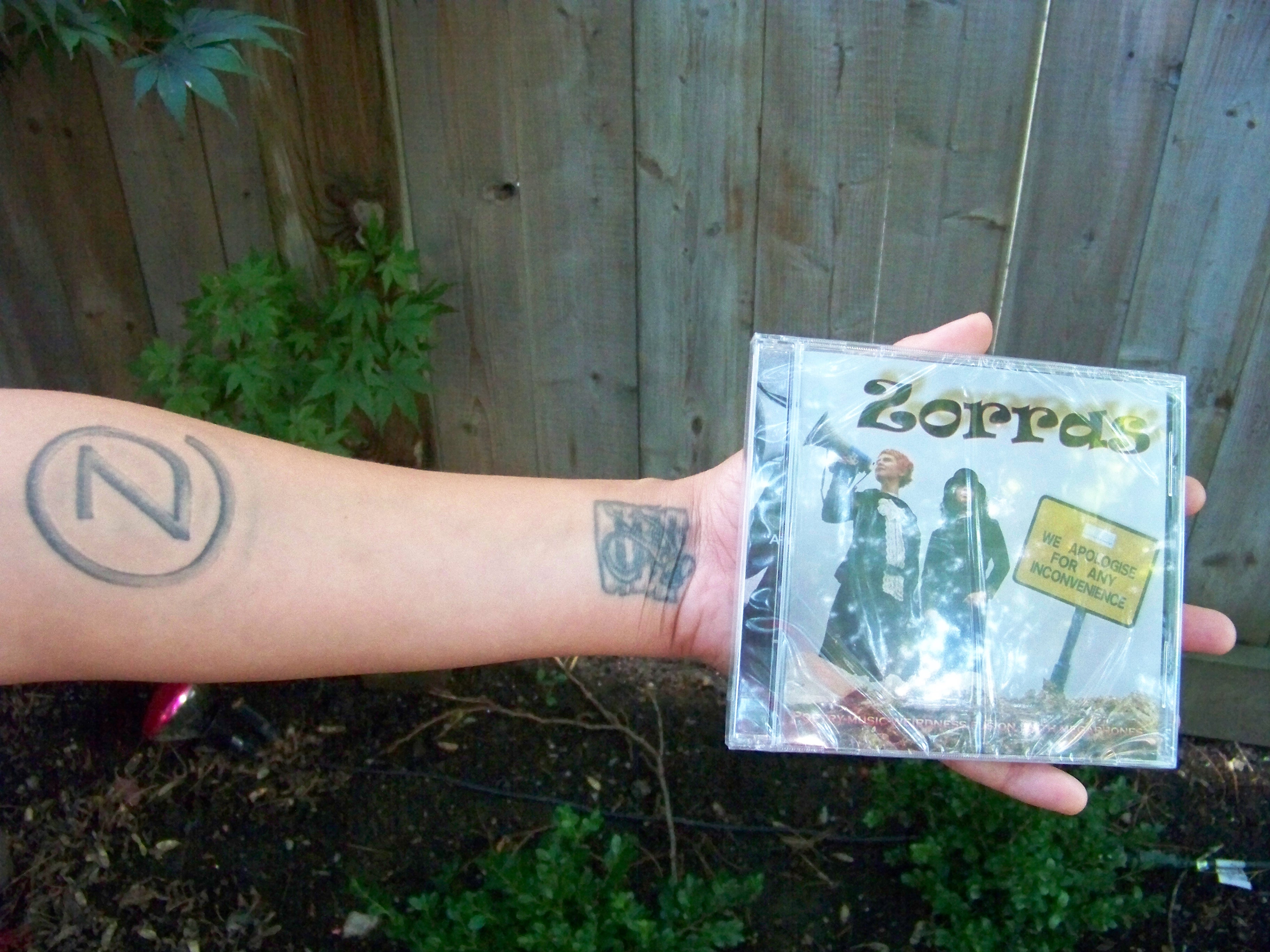
ZORRAS: WE APOLOGISE FOR ANY INCONVENIENCE

Zorras: We Apologise For Any Inconvenience

Reviewed by Jorge Antonio Vallejos

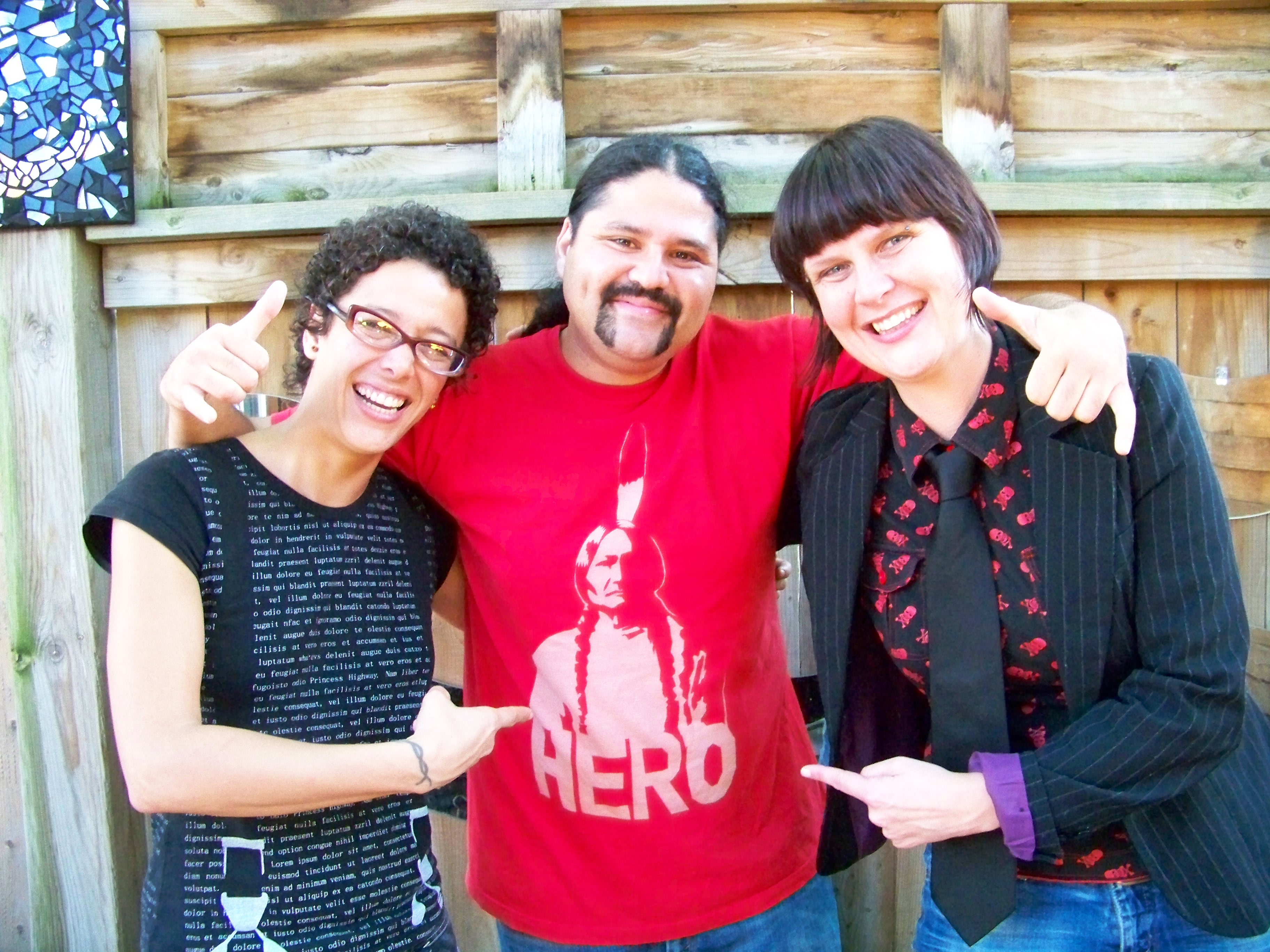
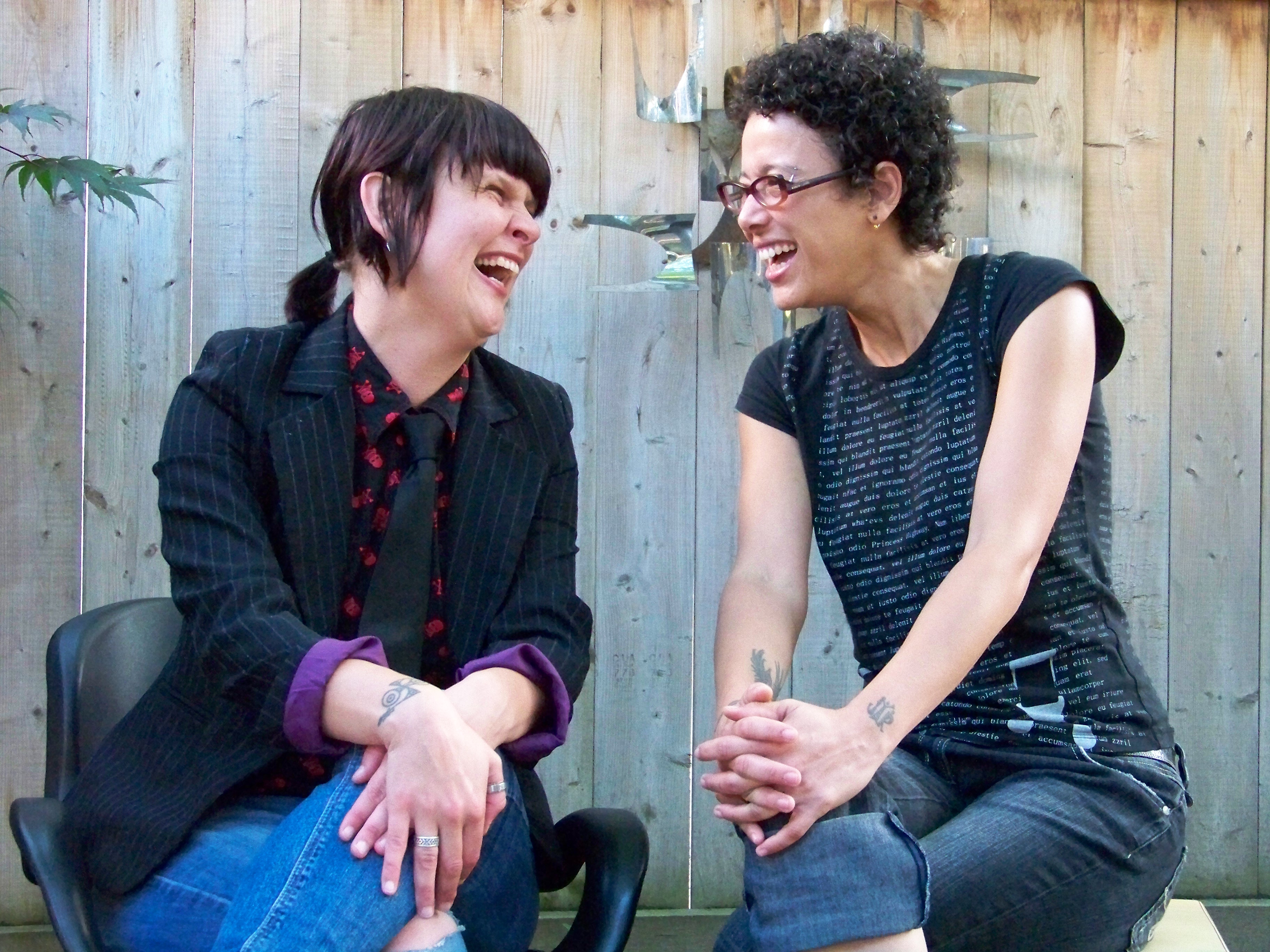
Meeting Sandra Alland and Y. Josephine, Zorras, at Toronto Women’s Bookstore this past weekend was amazing.  Smiles and hugs came at me as I walked in the place. 

Laughter followed. 

Good, fun, loud laughter. 

We moved into action fast as Zorras were to perform music from their CD We Apologise For Any Inconvenience within the hour.  Chairs and tables were moved as I set up my camera and we started to record.  Sitting side by side, Sandra on a chair and Y. on her box-drum, Sandra starts the poetry to song:

“I didn’t want to ruin

another party,

but Palestine

burst from my lips

like, yes, gunfire.”

After Sandra says “Palestine” you hear a big gulp come from Y.’s throat.

Drum beats, gulps, and alliteration make up the song After Going Out.  It’s a reflection on the many parties disrupted by “the P word”.  You know the word, the one that fence sitters run from.  The word that had my brother sit me down one day and say:

“Jorge, I love you.  I don’t want you to ruin your future by talking about that conflict.  Those people have a lot of power and can ruin your life.”

Fear.

It doesn’t look like Sandra and Y. have been overcome by it.

Not only do they talk about Palestine in their song After Going Out they sing:

“Ire. Ire. Ire. Ire. I I I I I I I I I I I I

didn’t want another

Iraq Iran Afghanistan Ireland

Iraq Iran Afghanistan Ireland”

Sandra and Y. sing the chorus alongside Y.’s drum beat.  They make connections with other lands that have been, or are being, colonized.

They end with a subject no one wants to talk about, a colony that is thought of as a country.  Sandra whispers:

“Ipperwash,

 CA NA DA.”

Yes, Ipperwash, one of Canada’s dirty little secrets.  As is Davis Inlet, the place Canada let South Africa study for two years before they instituted Apartheid; but I’m getting off track here.

Back to the Zorras.

Not shying away from controversy, Zorras explore suicide in five parts via their short poems In The Details.  Suicide is a topic on my mind as I’ve seen two confirmed suicides, possibly three, happen in one month this past summer.  Sandra opens herself up to her audience by admitting her own considerations on suicide as well as exploring the topic in whole.  She ends “In The Details” in a very sad way:

“My friend was sad and considered suicide.

I didn’t receive a phone call.” 

Sadly, to many, it’s not just a consideration.

The exploration continues in After the Phone Call.  One word for 1:47s describes the feeling Sandra experiences and survives after hearing the news:

“ouch”.

It is whispered, whimpered, yelled.

Zorras sing their twelve tracks in Spanish, English, emotion (“ouch”), gulps, and yells. 

Poems, a drum, and a guitar are there vehicle, heart is their gasoline, and change is their destination. 

There are no apologies, nor should their be.

Check out their shows, invite them to your town, and play their CD at a gathering, they might just ruin your night.

Tune in to BlackCoffeePoet.com September 28, 2011 for an inclusive interview with Zorras.

Posted in Poetry | Tagged , , , , , , , , , , , , , , | 1 Comment

BLACK COFFEE POET READS HIS LETTER TO WENDY BABCOCK AT BABCOCK’S MEMORIAL (SEPTEMBER 15, 2011)

Close to 200 people attended Wendy Babcock’s memorial held at Allen Gardens September 15, 2011 in Toronto, ON, Canada.  

People huddled, hugged, cried, took pictures, and laughed in memory of Wendy.

It was an honour to know Wendy and read my letter to her at the memorial.

For those of you who missed Wendy’s memorial here is a little taste. (Forgive, and fast forward, the 1st minute; I don’t know how to edit stuff yet.)

Thanks to Chanelle LeLovely for recording this video!

Posted in Poetry | Tagged , , , , , , , , , , , | Leave a comment

REMEMBER WHY YOU WRITE, AFFIRM YOURSELF AS A WRITER

Remember Why You Write, Affirm Yourself As A Writer

By Jorge Antonio Vallejos

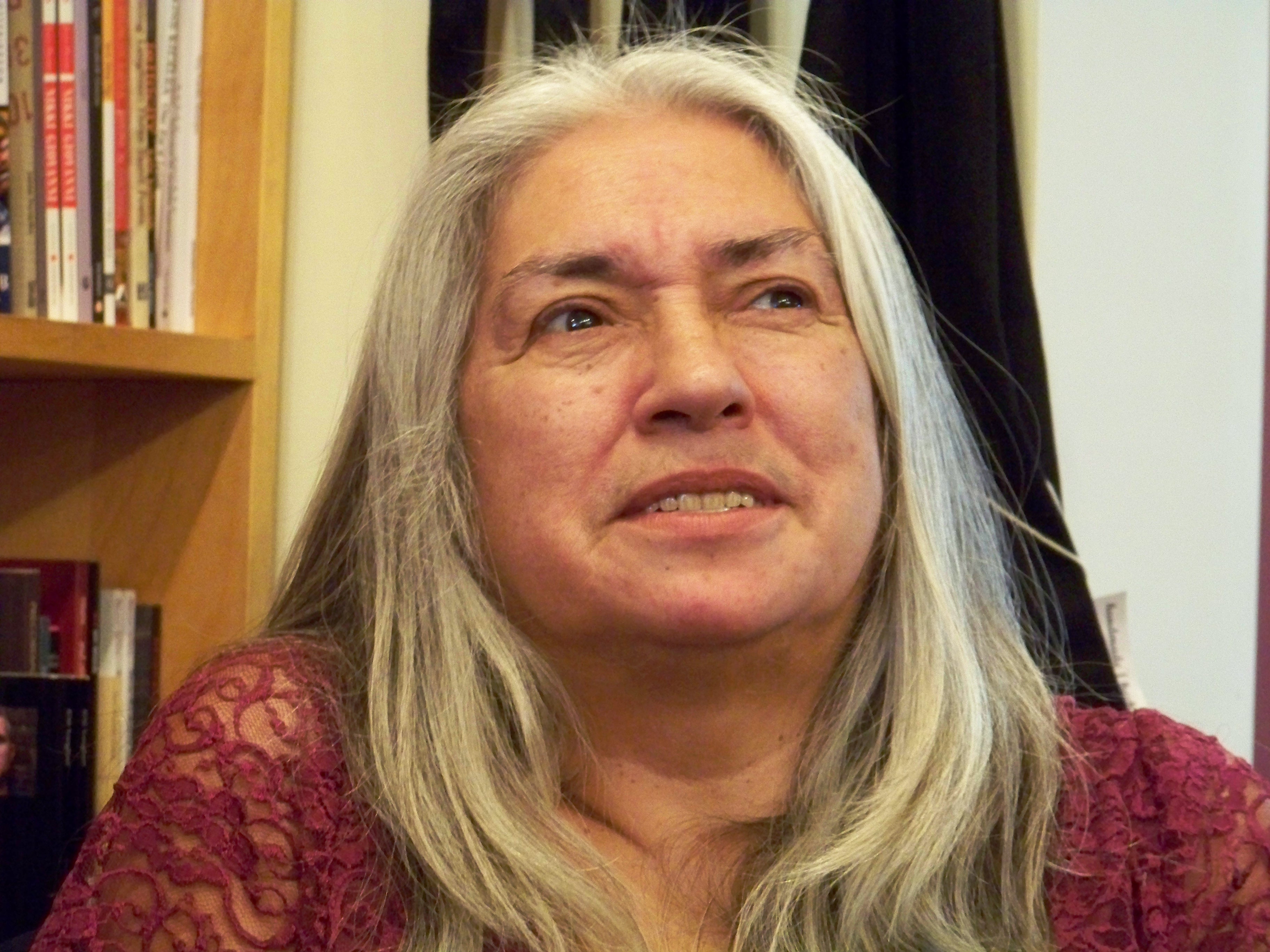
Photo: Marilyn Dumont, BCP, Lee Maracle

I was recently interviewed by two different publications about my 1 Year Anniversary of being online: Newz4U and Open Book Toronto.  The usual questions were asked: Why did you start blackcoffeepoet.com? What was your favorite interview?  What are you planning for year two?

But there was a question I did not see coming: 

Do you make any money from blackcoffeepoet.com?

Coming from an immigrant family and community (we’re all immigrants if we’re not Aboriginal) the theme of work is ever present.  It’s largely why people come here from other places: to work and make money.  There of course are many people here seeking safety, and most of them also end up getting jobs.

I’m used to my Italian neighbour always saying, “You go to work, George?”  (George is Jorge in English.)

He sees me with my laptop walking down the street and thinks I’m headed to an office. And I am: my local library or coffee shop.

“Yes,” I say. 

We smile and I keep walking. 

Work means money to most people.  Not to me.  I do write for two publications that pay, XTRA! and Anishinabek News, but blackcoffeepoet.com sees no dinero enter this Brown boys pockets; yet.

So why do I write?  And does money mean everything?

I write because I love the written word.  Books have always been in my life thanks to my mother who is an avid reader.  I look at books, hold books, smell books, and see myself writing books.  In the meantime I write articles, poems, essays, and posts here on BCP; I’ll be doing all this even when I have books. 

I also write because people who look like me, have colonial names like, and have views like me, don’t really get published enough.  Are there Latino and Mestizo, and mixed race (I’m Indigenous/Spanish/Chinese/Arab), of colour journalists, novelists and poets out there? Yes.  But how many are still writing, and how many point out society’s bullshit?  And how many have concerns about stopping violence against women and calling out colonialism? 

Not enough. 

I have something different to say. (See my video This Is Why I Write.)

We, people of colour, keep hearing of the greats: Rudoldo Anaya, Chrystos, Nikki Giovanni, Ana Castillo, Luis J. Rodriquez, June Jordan, Sandra Cisneros, Jimmy Santiago Bacca, Cherie Moraga,  Lee Maracle, bell hooks, Audre Lorde, etc.

I acknowledge those who came before me and paved the way for me.  The above peoples, and more, have done so.  But it’s time for us new folk too.  We can’t just look to the past. Let’s look at our present and work toward a better future while remembering the peoples and lessons from the past.

Now to the money question: does it mean everything?

Most writers don’t have big contracts like Stephen King and Margaret Atwood.  There are less than 100 writers in the U.S who make their living solely off of writing; most of them are white, and poets aren’t on that list.  Most writers have to work in a field unrelated to writing (unless they are journalists), or they teach writing. 

I do a workshop here and there (I’d like to do more!) and I write my articles.  I’m open to donations and advertising, but as much as money is great it’s not everything.

I’ve gotten paid in different ways that have been more rewarding than any cheque.

One: I’ve fulfilled my mandate, and I’ll continue to do so:

“Black Coffee Poet wants to share with the world the many different faces of poetry who are ignored by the literati, who have touched him, and who have helped him grow as a person and poet: Red, Black, Brown, Female, Disabled, Queer, Poor, Jailed, Homeless, Working Class, Self-Taught, Revolutionary, and Controversial.”

Two: I’m being read in 5 continents. I have readers in North America (that includes Mexico), Argentina, England, Spain, India, Ireland, China, Australia.  Whoever thought this Brown boy who liked books as a kid would be read by different peoples from many different places?

Three: The many thanks I get from people who appreciate what I do.  That includes relatives of peoples that I have featured or done stories on.

Four: A parent who saw my site asked me to mentor their child, an aspiring writer, who is in prison. 

Still, sometimes it’s hard to write, publish, film and upload videos three times week and not get paid monetarily.  So every night I remind myself via affirmations why I write and why blackcoffeepoet.com is worth the time and energy I put into it:

My writing is my activism

My way of contributing to positive change is by writing poems, essays, and articles.

There are only three rallies I go to every year: December 6th, February 14th , and March 8th.  And I attend them with purpose.

December 6th is held to commemorate the 14 white women that were killed in a university classroom in Montreal, Quebec.  I attend the event holding the yellow sign you see me holding in my picture: Aboriginal Women, Latina + Mestiza, Women of Colour, Trans Women R Loved.   These are the women that are forgotten!  

Februay 14th is the day to honour Canada’s Missing and Murdered Aboriginal Women.

March 8th is International Women’s Day.  I hold my yellow sign on this day too.

So, three days a year doesn’t cover everything I stand for.  And I don’t really like standing on corners with signs.

I also don’t like lots of activists in Toronto:

Mejor estar solo que mal acompanado Better to be alone than in bad company. 

So I sit, read, write, re-read, re-write, submit, publish, and do it all over again.

My writing is my activism which is connected to my spirituality. 

I am creating culture

A fellow writer recently gave me a huge compliment:

“Jorge, you are creating culture.”

Me, create culture?

After reading the definition of culture she was right and I was left dumbfounded!

So, I tel l myself everynight, “I am creating culture.”

I am creating a valuable resource 

At the end of August I had a meeting with a local radio show host that I want to work with in future.  We talked about my ideas, blackcoffeepoet.com, and my plans for year two of BCP. 

She was kind enough to say, “Jorge, you are creating a valuable resource for people.”  Poet Maureen Hynes told me the same thing!

Every night I say to myself, “I am creating a valuable resource for people.”

I am growing as a reader and a writer

I read a book every week for Monday’s review.  I re-read poems, stories, paragraphs, and titles and then I review the book.  With all the reading and writing I’m growing in both fields, slowly.

To be a writer you have to read a lot and re-write. 

Simon Ortiz instilled in me: “Read a lot!”

Lee Maracle taught me: “Writing is about re-writing.” 

I do both.

I remind myself every night: “I am growing as a reader and a writer.”

I’m working toward something bigger

Who knows how long blackcoffeepoet.com will be around.  I have committed to two years, one is under my belt now.  The second year will see new things.  But who know after that.

Throughout the whole process I’m learning different skills, making lots of contacts, and trying new things, all of which are elevating me in different way. 

If you are a writer, remember why you write.  Affirm yourself daily.

Most important: write!

If you’re not writing, you’re not a writer.

Posted in Uncategorized | Leave a comment

REMEMBERING YEAR ONE

Remembering Year One

By Jorge Antonio Vallejos

“It’s what you put your mind to.” – KR, childhood friend

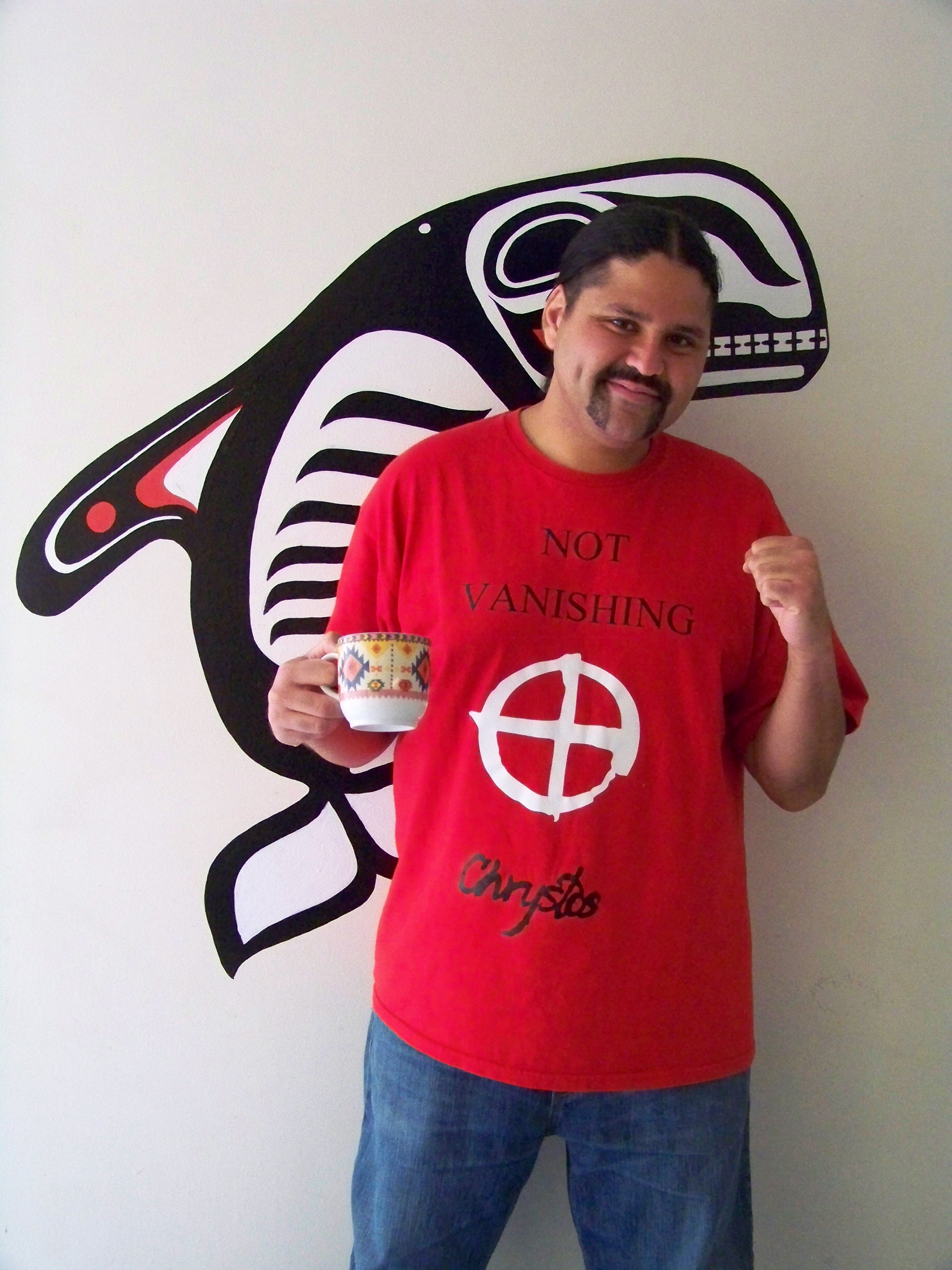
My NOT VANISHING t-shirt covers my chest as I listen to “Empire State of Mind” by Jay Z and Alicia Keys.  Both are instrumental in my creating and continuing blackcoffeepoet.com.

I’m a writer because my mother instilled in me the love for the written word by taking me to my local branch of the Toronto Public Library system from a very young age. 

I’m a poet because I finally found a book of poems that spoke to me: Not Vanishing by Chrystos.

A year after starting blackcoffeepoet.com my website is going strong because of positive messages like Empire State of Mind.  I would listen to this song over and over the way I’d read Chrystos over and over. 

I still do both.

Alicia Keys’ words are always in my thoughts: “There’s nothing you can’t do.” 

I’ve personalized them, “There’s nothing I can’t do.” 

And I’ve added something that one of my favorite fighters, UFC champ Jon Jones, has tattooed on is chest:

“I can do all things through Creator who strengthens me.”

The summer of 2010 saw me planning blackcoffeepoet.com.  I read tons of blogs and literature websites, asked three friends who are everyday blog readers for advice, and I researched MFA in Creative Writing programs. 

“No one is going to read you if you only post once a week,” said my friend Cindy.

“You don’t want to post everyday because people will get tired of you,” said my friend Catherine.

Karen, an internet wiz, who reads 200 blogs a week sent me links to sites that she thought I would like and who do things similar to what I do. 

I came up with a formula and ran it by them:

Monday: review

Wednesday: interview

Friday: video

They all liked it.

On top of that I set out to journal about the books I read, write a poem a week, and re-read books of poems that I enjoyed.

Then I decided on my mandate:

“Black Coffee Poet wants to share with the world the many different faces of poetry who are ignored by the literati, who have touched him, and who have helped him grow as a person and poet: Red, Black, Brown, Female, Disabled, Queer, Poor, Jailed, Homeless, Working Class, Self-Taught, Revolutionary, and Controversial.”

I was set!

It was now time to put the work in.  So I found Chrystos’ contact info and sent her a letter:

Wednesday August 25, 2010

Dear Chrystos,

I had the pleasure seeing you read, and meeting you, at the Toronto Women’s Bookstore five years ago.  Your books, Not Vanishing especially, have been extremely influential in my poetry.  I write mainly about combating oppression and stopping violence against women.  I’m also a freelance journalist.

On September 6th, 2010, I will be launching my new blogg focused on poetry. It will be an opportunity to show the world that Indigenous poets, poets of colour, queer poets, disabled poets, all sorts of poets who are not white men, exist!

The schedule will be:

Monday: a new review

Wednesday: open to interviews, announcements, publishing peoples poetry etc.

Friday: a video of a poet reading for the blogg

The first week will be a review of Not Vanishing (my favorite book of poetry); hopefully a short interview with you via email; a recording of me reading in front of the Toronto Coroner’s Office at the “No More Silence” rally that is held every February 14th to bring awareness about police ignoring cases of the over 500 Native women who have been murdered of gone missing in Canada.

Can I send you 5 to 10 questions about poetry, Not Vanishing, your politics etc.?

Here are some of my poems and articles so you can see who I am and what I’m about:

Interview with Eli Clare

Hope you are well and I hope to hear from you.

Best,

Jorge Antonio Vallejos

The next day I got a response: “yes.”

Two weeks later saw the launch: review, interview, and video.

I’m blessed to say that my first year has gone well.  But like the title of the song I’m listening to now, there has been a lot of Sacrifice.

Blackcoffeepoet.com makes no money.  It’s a labour of love, discipline, and learning.

Every Monday, Wednesday, and Friday I do what I say I’m going to do: post a review, interview, and video.

There have been times where I have felt down, sick, and frustrated but I still Show Up to my laptop, paper, books, and do the work to be done on my self-imposed schedule, MFA program. 

Many nights have seen me writing on my bed and at the 24 HR coffee shop; and many long days at other coffee shops and my local library.  Again, for no money, no degree, just the satisfaction of pressing the PUBLISH button on my WordPress server, the occasional letter from a reader, and knowing that I’m doing what I set out to do. 

But there are rewards.  Some worth more than any paycheque I’ve earned.  Some that will stay with me forever:

Meeting so many poets has enriched me as a person and a writer.  Gaining the respect of publishers who now send me review copies without me requesting them.  Interviewing influential people in my life like Chrystos, Lee Maracle, Marilyn Dumont, and Daniel Heath Justice

I’ve also had the opportunity to be creative and do things no one is doing, or has done before, through merging my politics with my poetry, and by giving space to people who go largely unrecognized in the literature world:

Celebrating Trans Day of Remembrance

Hounouring the Women FORGOTTEN on December 6th

Honouring Canada’s Missing and Murdered Aboriginal Women via bringing to light the Helen Betty Osbourne case, interviewing Aboriginal authors and academics, and poetry

Honouring Black History Month with Dub Poet Legend Lillian Allen

Reviewing old feminist journals such as FIREWEED: The Mixed Race Issue

Celebrating Queer Indigenous Voices

Covering events like LUMINATO where I was able to meet Dionne Brand, Mona Eltahawy, and Joyce Carol Oates.  Honouring Wendy Babcock, a local activist who passed on, was special.

And there are the many thank you’s I get.  People have given me thanks for writing articles they see as important.  Relatives of people I have written about have sent me thank you emails.  Writers and readers have given thanks for providing a space and a resource for them. 

Year one is done. 

I made a plan, overcame the fear of internet based writing and publishing, and did what I set out to do. 

THANKS to all my supporters, readers, the writers I have featured, and the publishers who have sent me books. 

I’ve got an empire state of mind and I’m not vanishing.

Year two is on.

Like Biggie said, “It was all a dream”.

Peace.

Friend me on Face Book and Twitter: Black Coffee Poet

View my YOUTUBE channel for all BCP videos: Black Coffee Poet

Posted in Uncategorized | 1 Comment

CELEBRATING 1 YEAR OF BLACK COFFEE POET.COM: LEE MARACLE READS A POEM AND A SHORT STORY

Lee Maracle has been monumental in my career as a writer.  

A year and a half of one on one sessions once a week saw me grow tremendously.

Many times my pen in hand  could hardly keep up with the wisdom coming out of her mouth.

Lee is a knowledge keeper and giver.

Enjoy Lee Maracle reading a poem and a short story.

Posted in Poetry | Tagged , , , , , , , | 2 Comments

CELEBRATING ONE YEAR OF BLACKCOFFEEPOET.COM!!!!!!!! A PATH TO FREEDOM, A KEY TO REAL BEING: A DIALOGUE BETWEEN LEE MARACLE AND RUBELISE DA CUNHA

A PATH TO FREEDOM, A KEY TO REAL BEING:

THE TRANSFORMATIVE POWER OF POETRY AND PUBLIC READING

Lee Maracle and Rubelise da Cunha

Originally published in OPEN LETTER Fall 2008

Dear Lee,

Since you said you have very strong and passionate feelings about the importance of poetry in the lives of people, I guess we could start our conversation with this issue. From my perspective, there is always a division between the definition of poetry as the traditional, western genre, based on standards of high quality and imposed as an elitist form of art; and poetry as the expression of a people’s art and culture, which would include popular  manifestations. How do you perceive the definition of poetry in Canada? What is the importance of poetry in the lives of people? And what is the importance of poetry for the First Nations?

Rubelise

Dear Rubelise,

This is probably an odd angle to begin, but poetry for me is the language of the heart and spirit as it comes together with the body and our place in the world, as such it is the language by which we can ‘safely, metaphorically’ come to terms with our self, “lummi” or face ourselves, our inner world in turmoil with the outside world and further, it is a safe and strengthening language from which we can reconcile with our history. Writing and Reading poetry out loud is also a powerful tool that can move people past old trauma and toward a new future. Expository language literally weakens the body and so keeps the body in a chronic state of stress, but poetry strengthens the body. A weak body, a stressed body cannot face the impact personal history and the sense of place has on the heart, mind and spirit. Through poetry we can not only express our emotions, but gauge our ability to place ourselves in our personal and social history, examine the threads that bind us to the past, snip away at the impact of social condition, personal hurt and mature beyond our original reactions

to the world. In short, poetry, its writing and its reading, allows us to find freedom in the context we inherit. One only needs to read a little of Jose Marti to be inspired, strengthened, moved and be able to face the world, both inside and outside ourselves.

Further, many “kinesiologists” in the United States are finding that the physical act of reading poetry strengthens the body and so, is a powerful tool for counselors, both liberation counselors and orthodox western based counselors. I hold that poetry is the only safe language of interaction between individuals who are experiencing any sort of conflict, personal, social or otherwise. It is the only language that can inspire emotional, spiritual and intellectual growth and transformation.

To that end, poetic style, meter, rhyme, etc. is not particularly relevant…what is important is the “imaging” of the past, present, future and the imaging of the self in their personal context.

Lee

Dear Lee,

The definition of poetry as the language of the heart and spirit is very powerful. I think there couldn’t be a better way to start talking about this topic. Since the “self” is central in poetic language, I also believe that through poetry we can come to terms with our self and with any kind of conflict faced by the individual. Poetic language is metaphorical, emotional and transformative. In this sense, it can be revolutionary.

I was just thinking about Julia Kristeva’s ideas on the revolutionary power of poetic language, which show how poetry is the most revolutionary literary form. The transformation starts from the inside, and it is exactly because the revolution starts inside the self and inside the language, that it can effectively act on the level of social transformation. We cannot change society if we don’t revolutionize the ideological aspects of language which reinforce prejudice and emptiness of values.

The act of reading poetry is also transformative. It is the moment where the self communicates directly with the audience; the idea of transformation then goes beyond the individual to the group level. When I think about storytelling, I always think about this idea of telling stories in order to come to terms with one’s past and transforming the community. Do you think there might be any level of comparison between the communal experience of storytelling and a poetry reading? Isn’t storytelling also an “imaging” of the past, present and future, in a way that it is transformative to the self and to the community?

Rubelise

Dear Rubelise,

Writing should lead us to both freedom and good will. Poetry is self-based but ought not to be self-centered, it is the vehicle for writing from within the self, clearing the path, orienting oneself towards others and freedom. It is the emotions that require the greatest transformation in the growth and maturation process. Through poetry we come to visualize the emotions which are both treasured and fluid [change based]. We also come to visualize those emotions which anchor us to our past. Through metaphor we may reconcile our emotional selves with our past and anchor ourselves to the fluidity of ever transforming emotional growth. In this sense poetry can be personally revolutionary. It can also bring us to emotional convergence with our sense of justice and our sentiments about the state or condition in which we seek freedom and this too is revolutionary on a social scale.

Reading poetry is the spiritual connection between reader and the audience. Light arcs its way from speaker to listener, from heart to heart and the emotional connection on the purest and most social scale, binds both audience and reader together. Oneness is created through poetry, through common evocation of emotion and through the shared space of distance and closeness around subject, around language. It is as though this language were our first language, this rhythm of fluidity, of change, of transformation, was the first experience humans had and, in a sense, it is true. In the hearing of poetry, we return to the innocence, warmth and absolute good will of the womb with all of our experiential being, our knowledge and our complacency and every cell is awakened, called forward to a kind of aliveness, a determination, a dynamic we rarely feel except through poetry.

Our “oratory” is poetic. “Storytelling” is a word coined for our oratory. It is rhythmic, poetic, a metaphorical extravaganza in which the plot is subordinate to the beauty of the language, the song of it, and so it is not unlike poetry at all. [WWI in Sojourner’s & Sundogs] is a transliteration of a traditional story about the bat.

Lee

Dear Lee,

“World War I” is extremely poetic, indeed, and this process of transliteration seems to me an important strategy to bring oratory into written story. I was also thinking about your novels and how poetic they are. When we read Ravensong, we can definitely listen to song, and in Daughters are Forever we can listen to the winds, to nature calling Marilyn into transformation, and the beauty of language assumes a prominent role in the narrative.

The idea of returning to the womb in the hearing of poetry makes me think about the existence of an original language, a language that is spiritual and prior to any external influence. However, when I consider what you said in our interview in Bellingham, concerning a genetic memory that we carry with us – even when, for example, we don’t speak a language anymore, this original language also seems culturally grounded1. Do you think there is any cultural barrier that might interfere in this spiritual connection between the reader and the audience? Or the spiritual communication and understanding that prompts this emotional convergence with the sense of justice and search for freedom goes beyond any cultural difference?

Rubelise

Dear Rubelise,

I fought so hard for the sort of poetic language that I grew up speaking in and laid to rest for a time, but it seems to come back as I journey to explore the self. “Ravensong” is the song from the depths of the sea echoing the earth’s fire rolling over – I heard it in 1988. This song signifies change and sparked the writing of “I Am Woman” and of course the deluge of writing that followed. It is time. I knew it was time. When it is time to do something you do it, whether you are ready or not, you do it. I know I have played with structure, language, poetics, oratory and story all in the context of “Ravensong”. In Daughters I worked at it. I sweated over every line and word. Can you believe that I re-worked the first line of the story 30 times until I realized that I was not letting Westwind just be. Westwind crept, broke me free from “playing monitor” in the story. Poetry does that; it sets you free. You only have to read a line or two that unlocks the doors damning you up inside and the genuine story unfolds, clear, crisp and dynamic. Poetry is like a key to real being.

Lee

Dear Lee,

As you say, poetry is inevitably connected to freedom, it is liberating, and “playing the monitor” is exactly the opposite – that is, controlling the language. So it seems that the fight and suffering to write exists whenever you are still playing the monitor, but as soon as you let the language break free, it is over, and then poetry emerges.

Poetry is freedom, a key to real being that prompts spiritual communication, but is it beyond any cultural or social barrier? Can any reader of English establish this

________________________________________________________________

1. (Footnote)

I interviewed Lee Maracle on June 4, 2004, in the Canada House at the Western Washington University in Bellingham, WA, where she was a visiting professor of Women Studies and Canadian Culture. When asked if she could speak her Native language, Maracle explained that although shecould not speak, she had not lost it, since it remains in her genetic memory and is recovered in her literature. Maracle also emphasized that the connection to the ancestors is maintained through this genetic memory, which is the repository of the original language of poetry.

________________________________________________________________

spiritual connection when reading or listening to your poems? Poetry in I Am Woman,  for instance, is very much connected to political resistance. Poems such as “On Native Resistance”, “Perseverance” and “Ghosts” are very culturally and politically grounded, and it seems to me that the connection is fully established when we open ourselves to a level of knowledge that also has historical implications.

Rubelise

Dear Rubelise,

In “The Art of Fiction”, Henry James says that we come from a condition, a context and we have a history, writing is about storying up that history, poetry is re-presenting it in its emotional/spiritual impact of history, condition on ourselves. Poetry is transformative both for reader and author, first because it opens the door to seeing ourselves in our own context and history, and secondly because this gives us a window into the future. Controlling language is an absurd leap away from freedom in poetry, as poetry is about expression – pushing up and out.

Lee

Dear Lee,

Henry James stresses that fiction reproduces life, and it must be totally free. In fact, what he says concerning fiction, you’re also saying about poetry: it is experience, and experience consists of impressions, and the exercise of freedom. In a sense, the discussion is about what is at the heart of art, and James says the province of art is “all life, all feeling, all observation, all vision.”2 From what we have discussed, I feel that poetry can be political, engaged, but it is always beyond that, because art should never be controlled by any external objective or imposition. Have you ever felt any pressure from the publishing houses or any other groups concerning your publications or your poetry readings? Is poetry reading a practice that you consider fundamental for you as a poet? Does it influence the poems you write?

Rubelise

Dear Rubelise,

Poetry is always political, unless the poet is lawless. Law is the foundation of politics and some laws are foundational, i.e. human rights, and in some way, poets look at law, politics, religion, humanity and their experience of moving through the natural desire for freedom in the context they inherit. Impositions are never bowed to by poets; they are mused over, challenged and confirmed or protested. Editors are always lined up with the public and so they do exert pressure on the author, most worth their salt exert the kind of pressure that creates the best art from the author without imposing a political perspective on the artist. Political poetry however, is not seen as poetry if it is overtly left-leaning, propagandistic. Political poetry, I believe, is best “heard” and not published. Most of it sounds good but doesn’t look good on the page. With few exceptions like Mr. Mandela, most of my political poetry never meets the page. No one has ever monitored my readings, but poems that are overtly political are usually rejected. I don’t think they are any less valid as poems for that, I just believe they should be heard. Political poetry is gaining more attention and hence, greater acceptance [hip hop contributes to that as does dub poetry] and is now a field

________________________________________________________________ 

2. (Footnote)

In “The Art of Fiction”, Henry James points out that “no one can ever have made a seriously artistic attempt without becoming conscious of an immense increase – a kind of revelation – of freedom. One perceives in that case – by the light of a heavenly ray – that the province of art is all life, all feeling, all observation, all vision”(563).

________________________________________________________________ 

of creative study in Scotland at least. For me, poetry is about metaphor, about the examination of the large through the rhythmic characterization and journey through the small, like a bent box, like seeing the baby before he was a racist, like capturing a dark windowless room or a dandelion coming up through the concrete in the city, juxtaposed by men with machines trying to dig up the sidewalk on Bay Street, which is Canada’s Wall street. This kind of juxtaposed metaphorical imaging makes for good poetry a powerful dismantling of the omnipotence of capitalism, racism, sexism etc. There is little reason for writing poetry outside of the struggle for humanity.

Lee

Dear Lee,

I would like to recover some questions from the last e-mail I sent you. We talked about poetry as the exercise of freedom, but I still wonder how the external world might interfere in the process of writing. Has poetry reading influenced positively your writing process? Is it fundamental for you as a poet?

Rubelise

Dear Rubelise,

I have been thinking about poetry, power and light. I am going to give you a very long and somewhat convoluted answer. First, we have as one of our origin stories on the West coast that “raven stole the light” to light the world we decided to inhabit when we took on physical form. We have always existed as hidden beings [heart spirit and mind] in the transformed world of light. We took on physical form in order to come to grips with consequences and story them up for the spirit world. The light raven stole sits in the sky as the sun and in the center of the earth as fire. The unfortunate side of that is that the light casts shadows and as physical beings, our sight is limited.

Our bodies, our hearts and our minds all have agendas that may or may not agree with our spirit. Living in shadow land [earth lit by sun] as we do, we experience primal fear and threatened by a finite being [birth has death as its fate] this fear creates an emotional shadow land inside that can create blind spots, torment our minds, which in turn, can twist our thinking and pervert our internal light.

Poetry is the language of our light seeking power, our light seeking being, our light seeking freedom, our light seeking light, as such it must steal the light from others and shine it back at them in their darkness, on their shadows, so naturally it challenges the dark folds of human inadequacy. I mean this as literally is it can be understood. I don’t mean that dark is itself a threat, I mean that the light [sun] hits the surface of a leaf, but underneath the leaf, is its dark side, in the crevices, the folds, is shadow and we imagine it as green, but its shadowed color frightens, so we paint it in and when we express it in words, the words must roll out poetic to capture the internal light of the being to whom we are speaking or they will remain in the shadows of their own world. Likewise, with society in its folds, lies its invisible being.

On the surface, we live in a democracy, but within the folds lies inequity that renders the democracy perverse, we need to shine a light on these folds, to broaden the sense of democracy to include greater and greater numbers and only poetry will capture the emotions, the spirit and the power of this light. It is the language of power, of light, of the spirit in collaboration with our minds in those moments when our courage to see is greater than our physical fear of consequences.

Before I tackle any subject I must poem it up so that I can see inside its folds. No one has ever interfered in my poetry readings, publishers don’t have anything to do with readings. They do interfere with publication, but not my poetry as I believe it is best spoken and am always reluctant to publish. I published “Bent Box” because G.Young Ing Theytus [Aboriginal publisher] nagged me for my poetry for some time. I don’t try to get my poetry published. I have done spoken word poetry productions, but I do not send out my poetry to publishers as a general rule. The interference, of course, would be their rejection of my work. I do believe that if I sent it out, I would likely receive a lot of rejections. I am not sure that this would necessarily be because they objected to my poetry [for its content], but because they don’t see it as the kind of poetry they can sell. Who wants a bright view of the dark folds of capitalist, imperialist shadow land?

Poetry is food for my light, poetry is the color of my spirit, the workings of my mind, the very reason for my being. It is central to who I am as I believe it is central to who we all are; whose religious incantations are not poetic, show me the absence of poetry in the Tao, The Buddha, The Christ, etc… the calls to revolution of Jose Marti? And so forth. Poetry is central to a human kind of being. If this makes no sense, let me know, it is late.

Lee

Dear Lee,

What you have just said makes a lot of sense to me. You say poetry is the language of our light seeking power, being, freedom, light, so it seems that any written form imposes limits to this freedom. It seems that poetry is prior to any kind of control or pattern imposed by the activity of putting ideas on paper, then the oral performance would be the best way to exercise and live poetry, and not by reading it when it is published. Well, maybe the publishing market is not ready to see the light over their shadows… there is so much to be said, but just few want to listen to that. I guess it is time to get back to other forms of literary expression besides published texts.

“Raven steals the light” is one of my favorite Raven stories, and reading this light not only as knowledge, but also as the kind of knowledge that poetry can bring to us, is even more fascinating. Is poetry, then, our first language, the language of our origins?

How do you see the possibilities to listen to this language and speak this language in a context of capitalism, imperialism and violence? Should we act like Raven and see that pain and violence are also part of a process of healing? Should we incorporate her subversive power to keep on illuminating and transforming society and its political leaders?

Rubelise

Dear Rubelise,

There is some kind of seductive power inherent in capitalism. On the one hand, it creates the worst sort of atrocities and hardships for huge numbers of people; on the other hand, it creates the possibility of wealth and power hitherto unknown to humankind. In its shadowy folds hides its separation of the spirit from desire for relationships with earth, sky, stars, humans, animals and so forth. We become tricked into seeing either debilitating poverty or wealth, power and capitalist-defined social mobility, we cannot see the disconnectedness of our selves from other humans and life and that the hunger we feel is not for capitalist wealth and power but for connection with all beings. Better to illuminate the disconnection, the hunger and the possibility of reconnecting. I think Joy Harjo and her Denver band “Poetic Justice3” do this best. We need to be clear about what lies in the folds and what we can actually see. The violence is what is obvious, though I would not separate the violence from the massive spiritual hunger and the seductive chicanery of capitalism to mislead into believing that increasing our standard of living, our mobility into the class just above us as the solution, but the satisfaction of our spiritual hunger will lead us away from

the foregoing as a solution. We need to see that the seductive power of capitalism lies in its hiding the solution in its folds, in directing the mass to desire the crumbs capitalists hand out to those who are loyal, rather than challenging the very nature of society and the very spiritual hunger-producing character of capitalism. That is the challenge of poetry in exposing capitalism and imperialism.

Song is our first language, one need only listen to mothers humming to babies to know this and of course song is directly connected to poetry. The business of language structure, as a means of organizing for survival comes with the invention of tools, but the business of language communication as a means to create oneness begins as song, as poetry and story and the oneness between mother and child. This is my belief.

Utilitarian language of social organization conflicts and restricts our poetic sensibility, but the patterns of words themselves are not necessarily what limit our freedom. Freedom is so attached to the critical illusion that time is, by that I mean we must  have the luxury of pondering life, understanding being, wondering about meaning in a non-hostage and relaxed state of concentration, which means we need time to think about the world, our being, our relationship to it to discover our poetics, our poetry inside. Under capitalism, this freedom is limited to a precious few, some of whom are capitalists or imperialists and have a vested interest in maintaining the status quo, some of whom are middle class and although it is not in their interests to be loyal to capitalism, they fear falling into the ranks of the working class and so inadvertently uphold the status quo. It is those disaffected and unable to rise above their station and yet who have managed to secure time to reflect, to study, to see to ponder their station, who are best able to articulate the freedom, steal some light and shine it on the shadows we all are consigned to. I have always traded off the time to reflect, with my sense of obligation to family. On the one hand, I wrote poetry while I raised my children, but I was the consummate mother who was never there even when I was there, that is I stole time and light from my children and wrote in those spaces created from their neglect. Although I have gained freedom, recognition and light from the life I chose, I have not managed to secure middle class privilege and so remain disaffected. I think there are a lot of poets like me.

For sure our lives are about growth and transformation, or they are about stagnation. Stagnation is by nature toxic. In North America, we have a toxic population that suffers from its own stagnation, so for sure we need to use our ability to steal the light and shine it on the underbelly of things in order to grow and transform.

Lee

________________________________________________________________ 

3. (Footnote)

Joy Harjo explains that the term poetic justice is a term of grace, expressing how justice can appear in the world despite forces of confusion and destruction, and her band takes its name from this term because all of them have worked for justice in their lives, through any means possible and through music.

________________________________________________________________ 

Dear Lee,

I understand your conflict when you have to divide your time between exercising the freedom to shine some light on society and taking care of your family. I feel you see both as a mission you have in life, don’t you? In a sense, transforming society is also a way to care for one’s family, since we want to leave a better world for our descendants.

I agree with you that the worst effects of capitalism are stagnation and a hunger for connection with all beings, and literature and cinema have focused on this subject quite a lot. Capitalism stresses the triumph of the material over the spiritual, and it has caused a feeling of emptiness. Do you think poetry readings can be a moment to shine some light on people and connect them? Have you perceived this transformation in your audience? Can a published literary text – novel, short story, poetry – have asimilar effect?

Rubelise

Dear Rubelise,

I believe that novels and stories, plays and even some movies can teach us about human beings and the connection between being and our conduct, but poetry is far more immediate, its prayerful language has the capacity to create oneness at the emotional, spiritual, intellectual and physical level upon hearing it. This oneness ignites our internal light and, if the author is able to “shine a light on a subject” that hitherto was not considered, then growth and transformation can occur. I think poetry has a powerful transformative connection, while other written arts are transformative over time.

Lee

Dear Lee,

Poetic experience is more immediate and at the same time more complex. It is definitely powerful. Since I’m speaking from a Brazilian context, it is inevitable to think about the conditions of access to culture in our country when we speak about poetry reading as part of the public sphere. We talk about poetry as a vehicle that gives us freedom and then poetry reading seems a very democratic experience.

However, most Brazilians don’t have much access to school, books, theatre, or poetry. What we identify here is a strong division between “high culture” and “popular culture”. Popular culture emerges even in poor communities and their poetry usually recovers local folklore. The academy has paid special attention to this cultural production especially from the second half of the 20th century on, but I would say that poetry reading in bookstores, universities or pubs is not a very popular activity here in Brazil.

My experience teaching literature at Fundação Universidade Federal do Rio Grande has shown me that we need to shorten this gap between what we call “culture” and our communities’ cultural experiences, or maybe it is time to question ourselves to what extent poetry can effectively transform society and promote freedom. We need to provide our people with better living conditions so that they can enjoy the transformative power of poetry, instead of working full time just to feed their families. Fortunately, it seems that the language of poetry transforms itself according to the context. It explains the amount of popular poetry produced in Brazil, which shines some light on the hardships the inhabitants of the Northeast face every year with the drought, shows the violence in the slums and big cities, but also opens a space for the celebration of cultural heritage, spiritual experience and imagination.

I just wonder how you perceive poetry reading in Canada.

Should we consider just formal poetry readings or any poetic experiences performed in small communities?

Do you think social and economical problems also interfere in the access to culture and in the production and reception of poetry in Canada?

Rubelise

Dear Rubelise,

One of the things I know is that when I was young, so many of us wrote poetry. Poverty plagued us and poetry strengthened us. The teaching of literature is something we direct not at the poor, but at those who are privileged by time, which is nearly always sponsored by money. The poor invariably appreciate poetry, but the study of it requires time, that is the business of teaching literature or poetry…that is, anyone who wants to learn to critique poetry rather than simply appreciate it must have the time to ponder it, analyze it, find something significant about it, this is a long step away from simple appreciation. Everyone understands poetry that speaks to them, includes them, addresses them.

The place of poets in the poetic spectrum appeals to an audience. Mine is Aboriginal people, I confine my poetics to the language my audience speaks and at the same time, not assume they are simple, but rather, draft my metaphors from their language, their condition and their history. That is not same as studying. It has been my experience that the Aboriginal people, educated or not, appreciate poetry, but they lack opportunity and, therefore, time to study it. The wealthy have time, but often lack the investment required to plunge into its study. Unfortunately, they are the only ones with the time. Formal or informal has nothing to do with it. I have done readings on Skid Rows in Canada and at exclusive writing festivals: readings exclude the poor. Economic conditions do not dictate reception, but they do limit access.

Lee

Dear Lee,

I think you have shined the light on something that answers my original question: reception. I agree with you that writing and appreciating poetry is very different from studying it. That’s why many poets do not appreciate the studying of poetry.

Sometimes it seems that we cannot grasp the whole dimension of poetry if we start to analyze and classify it, because there is the danger of transforming this activity into a kind of scientific experiment. “Living” poetry is something completely different.

What you have just said explains how poetry emerges in different contexts in Brazil and how the study of it can be sometimes restricted to certain groups. I understand that the aboriginal audience is the one that best identifies with the language and the history recovered in your poetry, and poverty is not an obstacle, on the contrary. In this sense, poetry is definitely freedom and power, and your history as a writer exemplifies it pretty well. I wonder how you acknowledge the reception of your poetry by non-Aboriginal audiences. Do you think poetic experience can be as powerful as it is for Aboriginal people?

Rubelise

Dear Rubelise,

First, I have had a lot of voice training, and I write for sound. I am listening to the sound of freedom in the ocean’s waves as I write. I read with the depth of the sea in mind and seek to touch the spirit of all those who listen. This is completely different from having some notion of anyone actively understanding or being influenced by my words. It is not the point. The point is for our voices and the waves of sound to become one in the physical/emotional and spiritual world, not necessarily to alter our thoughts or change our minds about anything, but for just this one moment, suspend all attitudes and experience some kind of communion with one another, and I read with this in mind. When people hear me, they experience this. When they read and study me, they may experience some of what you speak, but the communion of the soul occurs in the above conditions.

The above is my goal when I read. When I write, I am seeking influence of some sort, some sort of movement, transformative thoughtfulness from the reader, so I choose words with care, words that might articulate the broadest sense of life, the longest sense of longevity and the greatest sense of inclusiveness. These two goals are at times at cross purposes with one another, so sometimes as ‘leaked language’ the text is layered and many meanings can be pulled from it, but the sound, the sound I make when I read it, brings me together with the listener. The last thing I try to achieve when I write is to leave plenty of wiggle room for the reader to choose some sort of direction from the paths open to them. Not so when I read, not that I am limiting choices when I read, when I read it is the sound, the spirit of myself in communion with my work that I am sharing, not the poem per se. Hearing poetry and reading it are then different things as well.

Lee

Dear Lee,

When you talk about poetry reading, I just feel like flying to Canada to have the chance to participate in one of your poetic performances. I do think it is a unique moment. It is when poetry can be fully experienced, which means much more than ‘understood’, since it involves not only a physical level, but also a spiritual one. The difference you mention between reading and writing poetry, and between reading a published text and experiencing a poetry reading, reminds me of the difference between storytelling and the Western notion of Literature. It seems that the storytelling performance can maintain the communion of sound and spirit, while the reading of a published text can be a very solitary activity in which the reader may choose some direction for his/her interpretation or understanding. There is a strong connection between the reader of poetry and the audience. Do you think it can also be a space for the production and sharing of knowledge, or is it more connected to what happens when we listen to traditional songs? I know it is difficult to compare the notion of storytelling with the literary experience today, but I believe that literary genres which demand a communion, a collective experience – such as a poetry reading or a theatrical performance – may be a more appropriate medium to achieve the dimension involved in storytelling, which is not only literary, but sacred, philosophical and ontological.

Rubelise

Dear Rubelise,

I am not sure how you are separating story from literature. Story is dramatic, to be understood, it must be studied and heard. I don’t think it is different from poetry in that way, the problem is, we do not have the means to create rememberers who can remember story on the first pass, reading has supplanted the orality of the student. The addition of the voice in poetry does not preclude the ability to understand or not understand, it adds to the enjoyment, becomes entertainment and spirit-to-spirit connection [joy]. It brings out the spiritual binding agents in all of us. Hearing story is not quite the same. I think of story as a much larger storehouse than poetry, which is likely why it is called story. Imagine sitting and listening to a novel. The full experience is not the same as study. In our societies we heard the stories in the winter, then discussed over the summer. Meaning was drawn through the re-looking or study process which was collective as well. Each individual offered up how they saw the story, its connection to past and future, what obstacles lay on the path today and so forth. This was an intellectual exercise, not an experiential one. Listening to poetry, I believe, opens you up to studying it, I don’t think it necessarily fuller or richer.

The next problem is that education doesn’t have room for the experiencing of story. Reading out loud is discouraged. Students do not know how to read out loud after 6th grade and so do not have a physical/spiritual way to enter the process of the study of story. Further, the notion of study is disconnected from the individual, the collective, the story, etc. Criticism is what they teach, not study. In this way, criticism has supplanted study. We cannot understand poetry/story without hearing it, experiencing it and studying it, but Euro-culture doesn’t have a theoretical clue about how to do that. The creation of oratory, the study of oratory and the appreciation of it, is a collective and oral process for First Nation’s people. The transmission of the process to public school would not be a difficult one and it need not exclude writing…writing does not have to be an isolating act either.

Lee

Dear Lee,

When I mentioned “story” and “literature”, I was just trying to separate the notion of storytelling performance from the Western concept of written literature, but I guess you made it very clear in your explanation of story in relation to poetry. So, in a certain sense, poetry reading is an oral and collective experience that Euro-Culture has preserved. Poetry reading may be encouraged even inside classrooms, whereas the experiencing of a story might not. When I bring poems to the classroom, I feel it is impossible to talk about them without having the experience of reading and listening to the voice, to the sounds. Students need to read and listen to the poems so that they enjoy poetry. I am facing this situation right now in the classroom, and the change in our approach has made a great difference.

We are reading the Metaphysical poets (early 17th century poetry). We sit in a circle and students read poems and then present their feelings about them, their questions, and their critical reading. I know the University context can not be compared to a poetry reading outside the classroom, but what I see right now is that we can have a better connection as a group and students become much more engaged in what we are doing.

Poetry is meaningful for them, not just an object of study in the academy. I cannot say the same thing about stories, since we usually encourage analysis, but not their reading in the classroom.

The situation at the university just reflects what is happening inside public schools, and it promotes the continuation of this model, since our university students will be teachers in the future. Maybe it is time to introduce the reading of stories inside the classroom.

Rubelise

________________________________________________________________ 

Works Cited

James, Henry. “The Art of Fiction.” Nina Baym (ed.). The Norton Anthology of American Literature. Vol. C. New York: W.W. Norton & Company, 2003. 553-567.

Kristeva, Julia. La révolution du langage poétique: l’avant-garde à la fin du XIXe siècle: Lautréamont et Mallarmé. Paris: Seuil, 1974.

Maracle, Lee. Bent Box. Penticton: Theytus, 2000.

_____. Daughters are Forever. Vancouver: Polestar, 2002.

_____. I am Woman: a Native perspective on sociology and feminism. Vancouver:

Press Gang Publishers, 1996.

_____. Ravensong: a novel. Vancouver: Press Gang, 1993.

_____. “World War I.” Sojourners and Sundogs.

Tune into BlackCoffeePoet.com Friday September 16, 2011 for a video of Lee Maracle reading a poem and a short story.

Posted in Poetry | Tagged , , , , , , , , , , , , , | Leave a comment

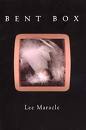
CELEBRATING 1 YEAR OF BLACKCOFFEEPOET.COM!!! VIDEO INTERVIEW WTIH LEE MARACLE + A REVIEW OF “BENT BOX”

Bent Box

by Lee Maracle

Reviewed by Jorge Antonio Vallejos

This is a celebration!  It’s been one year now that blackcoffeepoet.com has been online. 

Who better to celebrate with than one of my mentors, my writing mom—Lee Maracle.

“Writing is about re-writing,” says Maracle. 

Writing is also about reading, discipline, and being humble.

With one collection of poems to her name, Bent Box, the acclaimed author says, “I don’t consider myself a terrific poet.” 

I beg to differ.

Poetry is song and Bent Box sings to the reader throughout its 128 pages.

A lover of short poems, Maracle uplifts people’s spirits with Victory:

No hurt burns my spirit

No pain thirsts my eyes

No lies poison my mind

I’ve read this poem during down times, repeated it to myself orally, and I’m actually thinking of putting it on a t-shirt.

Once known as the biggest activist in Canada, Maracle’s poems live up to that label.  Although Maracle is originally from here, Turtle Island, the land now known as Canada, she does not focus solely on the struggles of Native peoples on her land. 

Many poems in Bent Box are dedicated to, and about, peoples in other places who face similar oppression to the original peoples of North America: 

Nicaragua

El Salvador

Chile

Palestine

South Africa

Referring to Nicaragua as “Another Vietnam”, Maracle writes of a war that no one really knows about, talks about, writes about.  Calling out former President of the U.S Ronald Reagan, Maracle writes, “The mercenaries of Senor Reagan” in Bring The Boys Home

Aren’t American mothers wanting their boys to come home again, 20 years later? 

Aren’t American mothers always wanting their boys to come home?  Today, daughters too need to come home.

Maracle was bang on when calling it another Vietnam.  There have been many Vietnams since, with more mercenaries under the hand of different presidents.

Maracle ends Bring The Boys Home with:

Easy come easy go; that is the slogan

that the children of America prefer.

Have things changed?

El Salvador saw another secret war in the 1980s.  Maracle honours the Indigenous women of El Salvador in her poem El Salvador—Vencera:

Senor America!  You are blind!

You do not see our ancestors,

our grandmother’s copper-gold faces

and waist length black hair…

You do not see our Mujeres

The trunk of our sacred tree…

It is we who hear the voices

—of our ancestors

 educating us to our mistakes

—ensuring your demise

Like most Indigenous nations women are at the centre.  They are the lifegivers.  Maracle makes connections in this poem that are much needed.  The same way that Senor America is blind to the original peoples of Canada and the U.S, he is blind to the original peoples of down south and those who came from them, the Mestizaje (mixed race peoples–Indigenous and Spanish–like me).

Did you know that Chile saw mass murders in the 1970s and 80s?  Activists were rounded up and killed by the thousands.  Maracle not only knows this, she stood in solidarity with them: “We sit around the circle of Chilean fires,” starts her poem Outside The Circle of Chilean Fires. 

Her wisdom shines in the poem:

If there is murder against innocent youth

it is because there is power among the people. 

Women is an ode to brown women of a different land that has been stolen: Palestine.

Palestinian women rock baby cradles

to the rhythm of US/Israeli bombs

while dessert winds tear at tipis

and sand blasts the face of water bearers.

This poem is again about solidarity.  Palestinian mothers caring for their children amongst colonial attacks.  Maracle writes “tipis” as opposed to tents recognizing Palestinians as the Indigenous peoples of the land now known as Israel.  Water being life, and women creating life, is why Maracle writes “water bearers” in the stanza.

Maracle explores the importance of hands, work, who gets what and why, later in the poem.  Some hands do what they need to do for survival while others enjoy what many never get to experience:

The streets of Can-America

are flooded only with shoppers

ready to buy…buy…buy…

In underground workshops

built by humble hands

women work through the night

to create weapons for Palestine.  

The feminine hands of Can-America

greedily eat Israeli oranges

Palestinian children have never seen.

Maracle writes honour poems to Nelson Mandela (Mister Mandela) and Leonard Peltier (Leonard) brining her spirituality to both poems and both men:

I treasure this eagle of resistance

couching you and Leonard in each wing.

There are poems dedicated to Maracle’s mother and children.

Much love is seen throughout the Bent Box.  Love for land, people, struggle, and freedom.

Maracle not only shows confidence, balance, and exerience, she shows her vulnerable side too.  A good writer opens them self up to their reader.  Performing, which starts the collection, seesMaracle brings her reader in close, having them hold her words as they sing in their ear. It’s the perfect way to end this review and start a new year on blackcoffeepoet.com:

I shudda got n’ Oscar

for all the lies I told,

all the masks I wore…

But they don’t give

Indian women Oscars

for dressin like Vogue Magazine

and drippin’

honeyed English

Remember T’a-ah

I speak brocken

Ink-lish too?

Now

            I am

                        speechless…

Tune in to BlackCoffeePoet.com Wedensday September 14, 2011 for a written dialogue about poetry between Lee Maracle and Brazilian academic Rubelise de Cunha.  

Posted in Poetry | Tagged , , , , , , , , , , , , , , , , , | 3 Comments