VLOG: RANDOMS: THOUGHTS, EXPERIENCES, AND QUESTIONS

This video blog is a companion to my new series Randoms where I share my thoughts, experiences, and questions at random!

Watch, SHARE, Tweet, and Comment.

Enjoy!

SUBSCRIBE to the Black Coffee Poet YOUTUBE Channel:

Poetry, interviews, VLOGs, readings, roundtables, and workshops.

Posted in Uncategorized | 1 Comment

RANDOMS: THOUGHTS, EXPERIENCES, AND QUESTIONS

Randoms: Thoughts, Experiences, and Questions

By Jorge Antonio Vallejos

This is the first of a new series I’m doing where I list random thoughts, questions, and experiences of mine.

Of course, the list is in no order; it’s random!  Let me know what you think.

1. Why did the lady in the laundry room today ask, “Laundry?”?

2. I didn’t like the white guy in Kensington Market smiling at me like we were bros and saying, “Mota?”.

3. Watching the new film The East last night has me thinking of privileged white folk who become activists.

4.  Thankfully, I turned around a moment of jealousy to the reality that I’m on my own path.

5. I’m loving The Art of Learning by Josh Waitzkin.

6. The barista at the coffee shop I go to is one of those people who do “the extra”.

7. NEVER use Drano in your toilet!

8. Everyone is talking about the Zimmerman verdict.  I think I’ll shut the fuck up.

9. You are always being watched.

10.  Everyone I run into today tells me “It’s hot out there!” as if I can’t tell that myself.

11. I found two VHS tapes on the recycling bin today: Kurt & Courtney and Revenge Of The Ninja!

12. I miss Paula, my book and movie buddy.  I’m looking for a new movie buddy.

13. Canada is stolen land.  Canada is stolen land.  Canada is stolen land.

14. My Summer 2013 Reading List VLOG was featured on AHKI Indigenous News site!

15. Ego = Edging God Out

Posted in Uncategorized | Leave a comment

OP ED: LAUGHTER AND ORGASM: IS MAINSTREAM SCIENCE CATCHING UP TO INDIGENOUS WISDOM?

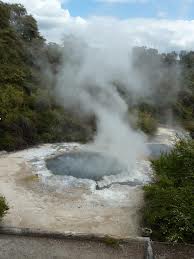
Maori sulfur springLaughter and Orgasm:

Is Mainstream Science Catching Up To Indigenous Wisdom?

By Zainab Amadahy

Earlier this year I visited Rotorua, considered the geothermal capital of Aotearoa (the land now known as New Zealand).  Prior to the arrival of European colonizers in the area, Maori inhabitants of the region considered its many geysers, hot springs and crater lakes to be a source of healing. 

When Europeans arrived, they too found the land to be medicinal.  Maori peoples were evicted from their communities so white settlers could build spas and complimentary services for tourists and visitors to the area. 

In the early 20th century European-trained doctors visited Rotorua, aiming to determine if and how the sulfer-infused environment was good for one’s health.  They concluded the whole idea was a myth; the spas, according to them, were perpetrating a fraud.  There was nothing about Rotorua’s geothermal activity that was, in any way, promoting human health.

The debate is ongoing to this day.  

For me, there is no debate.  

There is no question in my mind to the healing properties of Maori sulfer-infused land and Maori medicinal practices.

Eventually, through their political efforts, Maori peoples were allowed to return to their lands.  There are active communities again living in RotoruaMaori peoples have taken charge of the tourist industry, sharing what they wish of their culture and history, inviting visitors into parts of their communities while ensuring privacy for other areas.

While visiting, I noticed signs warning me away from dangerous areas that erupted boiling water and hot gasses on a regular basis.  These signs listed the chemicals that rose out of the geysers and gurgling mud pools surrounding me.  One of the mixtures created by the gasses being coughed out by Mother Earth into the air was nitrous oxide — laughing gas–so called because it makes you feel good.  Our bodies produce nitrous oxide when we feel joyful and well.  The more your body produces the better you feel, the better you feel the more your body produces.  It’s also part of the sexual experience impacting the ability to orgasm and your experience of it.

So, despite the smell of sulfur in the air, it could certainly be that the original Maori and later White settlers of Rotorua thought they were healthier because of the good feelings nitrous oxide produced.  That’s a possible explanation.  However, if you dig deeper you might learn that the placebo effect is more likely to occur in folks that have high levels of nitrous oxide in their blood stream.

Traditional Maori wellbeing and healthcare practices relied to a great degree on the mind/body connection.  This is an energetic connection.  The bio-electric energy of your thoughts and feelings impacts your body, healing it.  So, if you think the sugar pill works, it does.  If you believe your treatment is effective, it will be.

The placebo effect is hardly controversial anymore.  The vast majority of people working in healthcare recognize it as real.  Many peer-reviewed articles in medical journals report brain changes as a result of placebos.

Since we now know that chemical reactions are caused by molecules reshaping themselves, and that this is caused by the exchange of subatomic particles and that subatomic particles are actually energy at their core, we can conclude that every chemical reaction is essentially, by nature, an exchange of energy.  If you follow the science, medications that react chemically with our bodies to produce healing are essentially examples of energetic healing.

There is extensive communication among cells, molecules and sub atomic “particles” throughout our universe.  Energies are constantly transmitted and received in a kind of universal Ping-Pong tournament.  Energy is information and it’s swirling all around us.

Energies intersect and sync up all the time.  One form of energy may be more influential than another but usually when energies collide both are changed in some way.  We know that heart and brain wave patterns as well as magnetic fields sync up among humans and across species.  We can measure this now.  Energy exchanges happen all the time, mostly below the level of your awareness.  Yet they still impact you.

Indigenous knowledge and other ways of knowing are not just superstition and nonsense.

Indigenous understandings of energetic interactions and how they impact peoples are valid.

Indigenous healers know what they’re talking about.  Indigenous songs that are sung, dances that are danced, and the plants and animals involved in healing rituals interacting with us at the energetic level, support Indigenous, and all human, healing and wellness.

Consider all this when you encounter Indigenous medicines and healing practices, even if they have not been validated by mainstream science.

Zainab Amadahy head shot 2Zainab Amadahy is an author and activist.  Her latest book is Wielding the Force: The Science of Social Justice, the ebook is available here: https://www.smashwords.com/books/view/312948

The Print version of the book is available here: http://www.amazon.com/Wielding-Force-Science-Social-Justice/dp/1481877895.

Keep an eye out for Zainab’s upcoming publication: Ways Of Wielding The Force: 13 Exercises In Collective Care & Group Effectiveness.  More info on Zainab: http://www.swallowsongs.com.

Posted in Uncategorized | Leave a comment

VLOG: MY SUMMER 2013 READING LIST

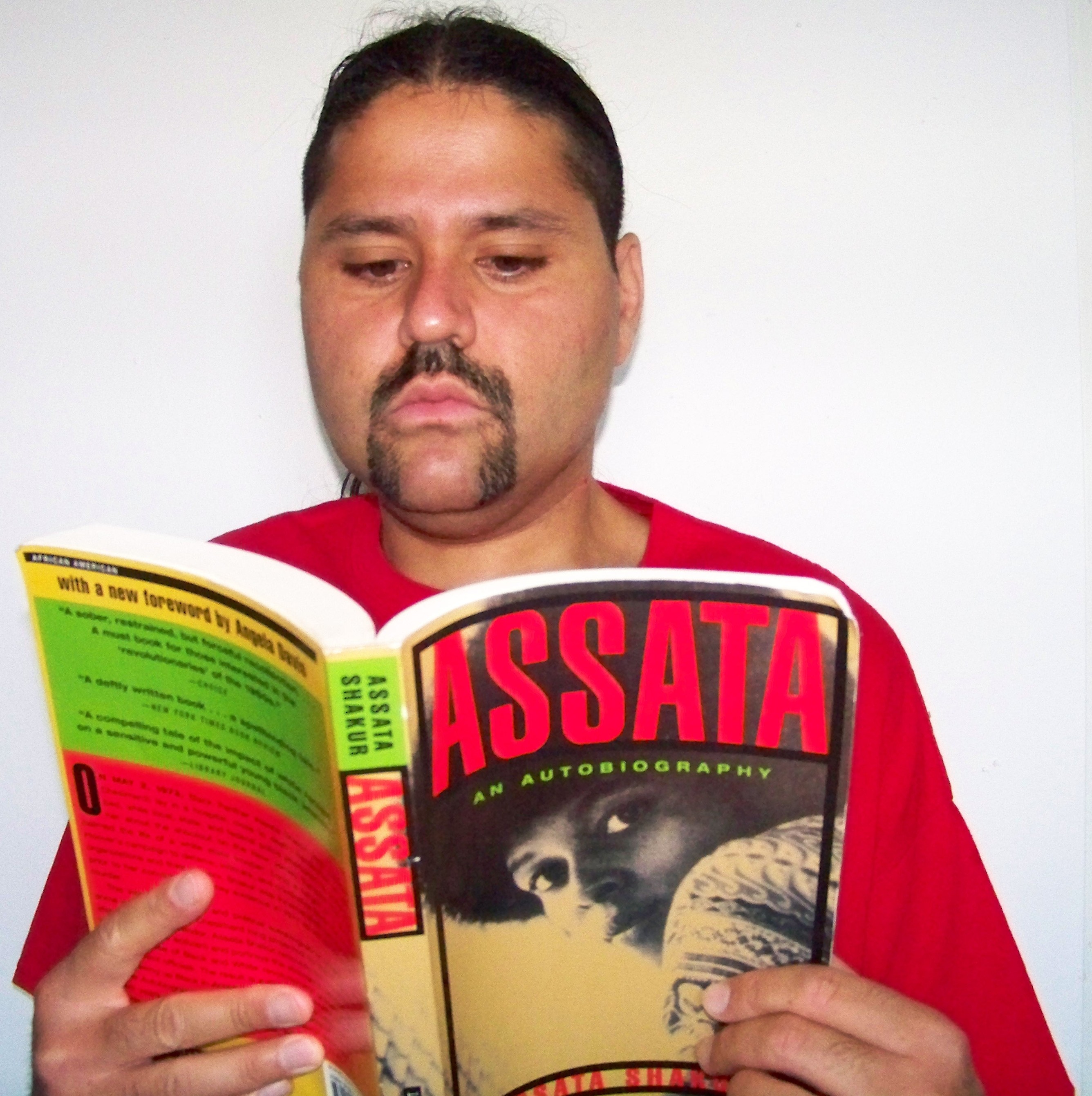
BCP reading AssataEvery season I make a reading list with an accompanying VLOG.  This VLOG makes it one year that I have been doing this!

This video blog is a companion to my previous post My Summer 2013 Reading List.

I show the books, talk about their authors and I mix in a little politics.

Checkout my previous reading list VLOGs to see what I have been reading in the past year:

Summer 2012

Fall 2012

Winter 2013

Spring 2013

SUBSCRIBE to the Black Coffee Poet YOUTUBE Channel:

Poems, songs, interviews, workshops, readings, and roundtables.

Posted in Uncategorized | Tagged , , , , , , , , , , , , , | Leave a comment

MY SUMMER 2013 READING LIST

BCP reading The PoetMy Summer 2013 Reading List

By Jorge Antonio Vallejos

It’s summer time!

A new season means a new reading list.

I don’t fall into reading the books that the newspapers promote during summer.  I have a ton of books at home I’ve not read, and I keep buying books at GOODWILL and used bookstores, and people give me books, and I find books.

So I make my own list.

Readers don’t have to write but a writer has to read.  Here’s my list!

Poetry

Selected Poems of Langston Hughes

Hero of the Play by Richard Harrison

Living In Paradise by Pier Giorgio Di Cicco

Bulletin From The Low Light b J. Fisher

Dinner At Madonnas by Kevin Irie

Invisible Foreground by David Bateman

Land To Light by Dionne Brand

Rooms by Diane Glancy

Poems From France Edited by William Jay Smith

Execution Poems by George Elliott Clarke

Love Medicine and One Song by Gregory Scofield

Alabanza by Martin Espada

Summer 2013 Reading List Poetry books

Fiction

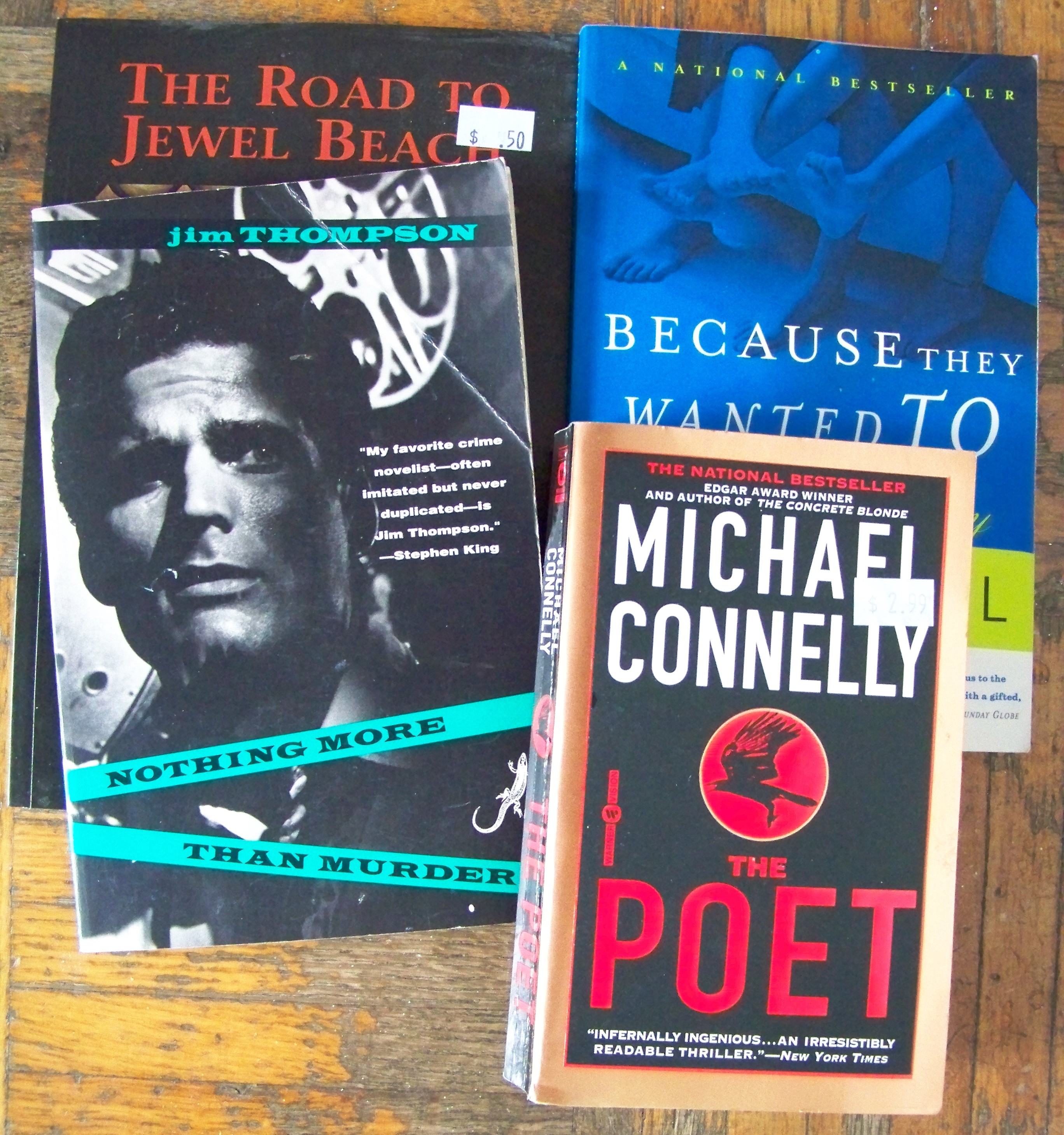
The Poet by Michael Connelly

Because They Wanted To by Mary Gaitskill

Nothing More Than Murder by Jim Thompson

The Road To Jewel Beach by Christopher Adamson

Summer 2013 Reading List Fiction

Memoir

Pimp by Iceberg Slim

The Long Walk by Slamovir Ramicz

Assata by Assata Shakur

Summer 2013 Reading List Memoir Books

Essays

Blue Like Jazz by Donald Miller

A Way of Being Free by Ben Okri

Teaching A Stone To Talk by Annie Dillard

Summer 2013 Reading List Essays

Non Fiction

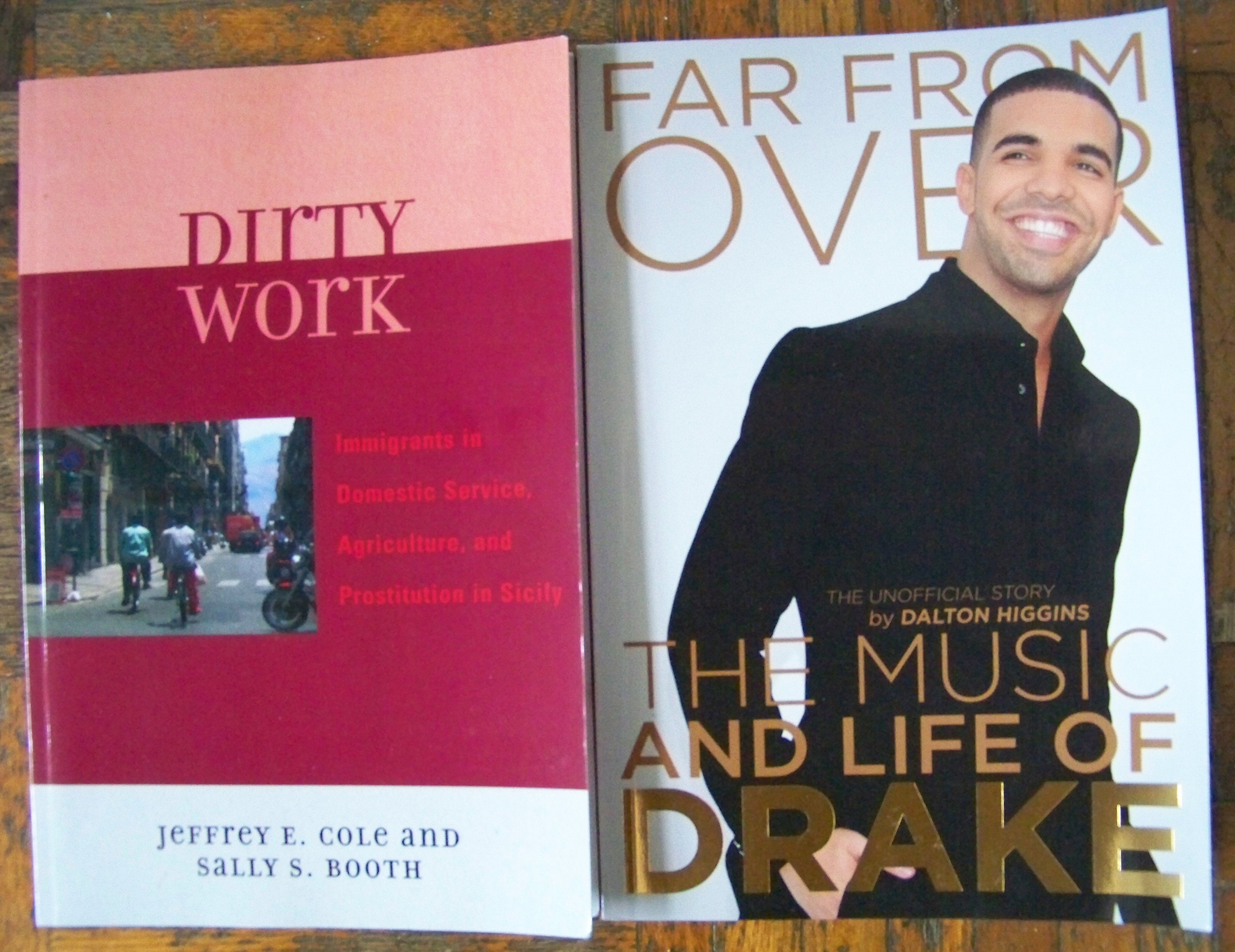
Far From Over by Dalton Higgins

Dirty Work by Jeffrey Cole and Sally Booth

Summer 2013 Reading List Nonfiction books

Spiritual

When Things Fall Apart by Pema Chodron

The Last Lecture by Randy Pausch

What’s So Amazing About Grace? by Philip Yancey

The Life You’ve Always Wanted by John Ortberg

Summer 2013 Reading List Spiritual Books

Motivation

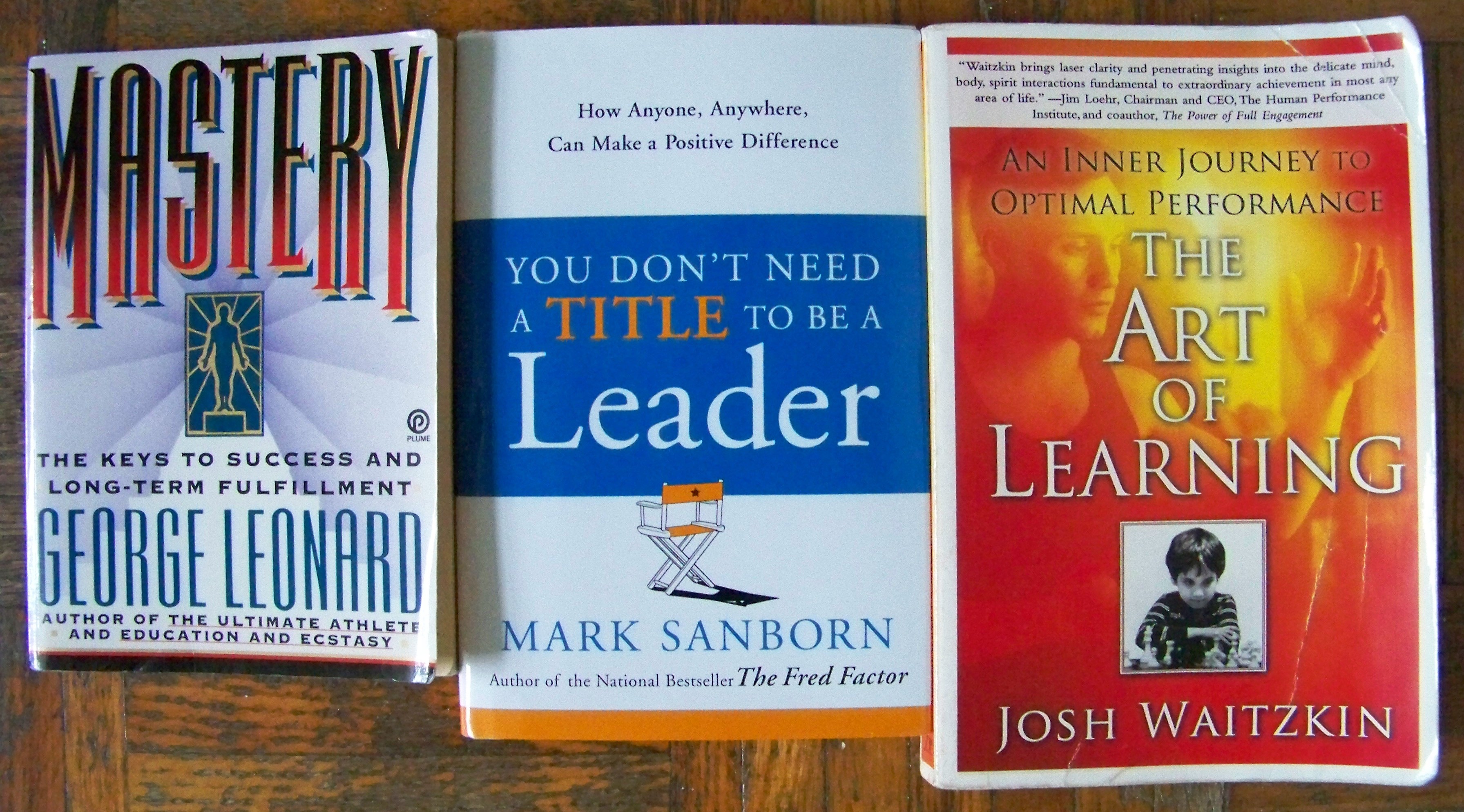
You Don’t Need A Title To Be A Leader by Mark Sanborn

Mastery by George Leonard

The Art of Learning by Josh Waitzkin

Summer Reading List 2013 Motivational books

I started reading some of these books on June 21st: solstice and the start of summer.  Mastery and You Don’t Need A Title To Be A Leader are done.  I’m halfway throught The Art of Learning.

I’m off to a good start!

And I’m excited to read The Poet (which I have been looking for at GOODWILL for a long time) and Pimp, a street classic that I have heard about since I was a teen.

Is this list big?  Yes!

Is there a lot to read? Yes.

But that’s what writers do: read, write, re-read, re-write…

If you are interested in reading one, or some, of these books with me email me at blackcoffeepoet@gmail.com.  If you are in my city we can meet for coffee.  If you are far off we can skype!

I hope you enjoy the sun, rain, breeze and books, lots of books, this summer!

Here are my previous reading lists:

Summer 2012

Fall 2012

Winter 2013

Spring 2013

Posted in Uncategorized | Tagged , , , , , , , , , , , , | 3 Comments

7 REASONS WHY I COMPOSE READING LISTS

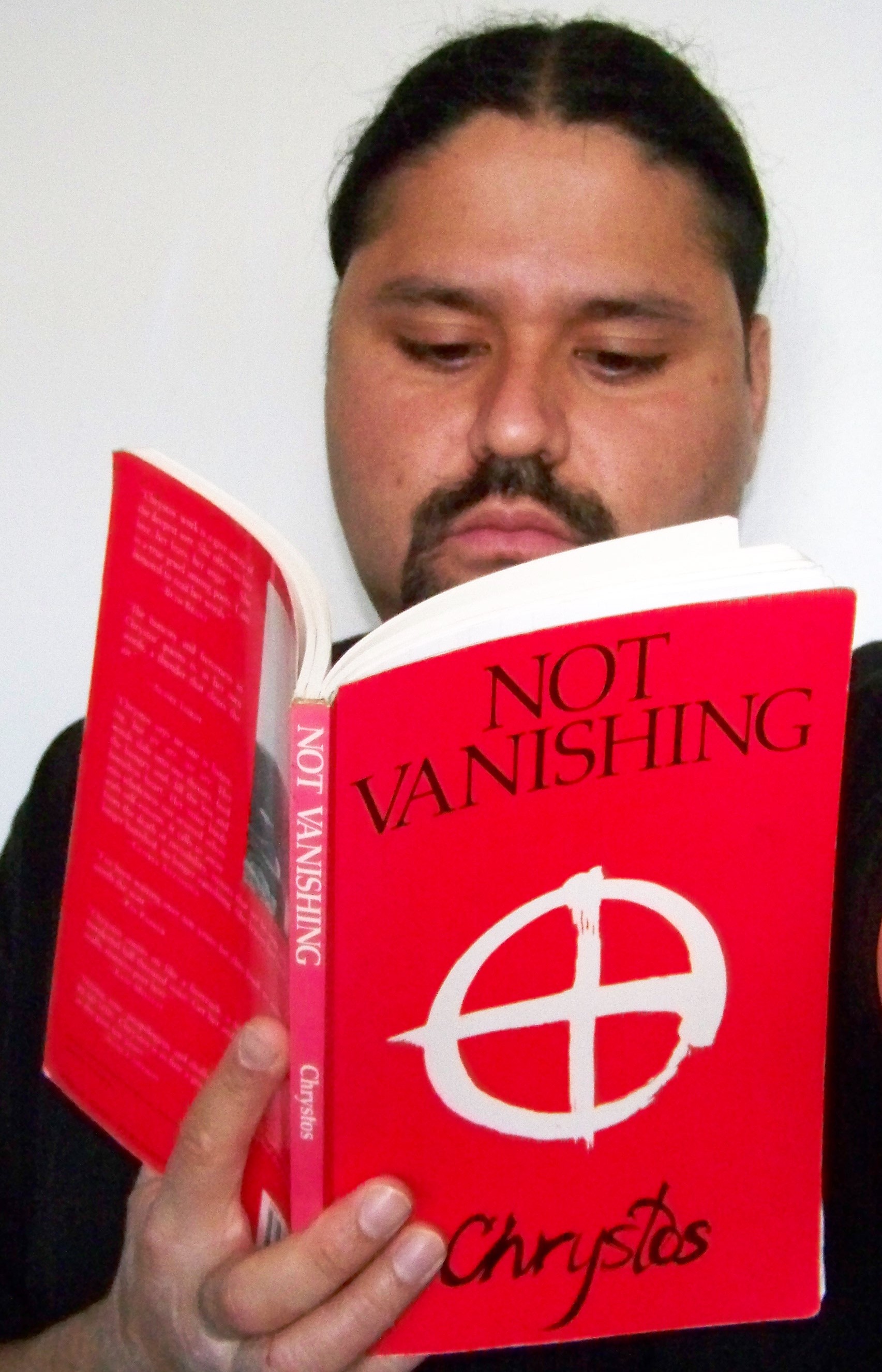
Black Coffee Poet reading Chrystos7 Reasons Why I Compose Reading Lists

By Jorge Antonio Vallejos

Every season I compose a reading list.  And I try to post it around and after the 21st day, the change of the season.

I’ve shared 4 lists with you already:

Summer 2012

Fall 2012

Winter 2012/2013

Spring 2013

Here are 7 reasons why I compose reading lists.  I hope you’ll be inspired to make a reading list of your own!

1. I love books!

Whether you are new to this website, or one of my loyal readers, you know that the base of what I do here, and in my life, is literature.  Books!  Books of all genres: poetry, fiction, non-fiction…  I love Creator, my Mom(s), and books.

2. “The worst thing you can do to words is ignore them.”

A few years back I saw a play about French writer Jean Genet.  The one line of Genet’s that stayed with me was, The worst thing you can do to words is ignore them.  I don’t want my piles of books to just sit there.  I want to read and re-read them, learn from them, spend time with their authors, give some away, and bring more books in to my library.

3. Giving Thanks and appreciating what I have

At the bottom of my winter reading list you’ll find a comment from a woman that left me thinking, and should have us all thinking:

I would love to read the books you intend to read but I cannot afford them. I live in Kenya, could you kindly help me acquire any of them. Thank you.– Faith

(I contacted Faith and I’m still waiting for her reply.)

As mentioned earlier I have piles of books!  I buy books, find books, and receive books as gifts.

Having so many books is a privilege and a responsibility!

Books are meant to be read, taken care of, and shared!

4. Continuing the circle

Writers who publish books are writing to be read.  They have put so much time into their craft; hours and hours of sitting and writing, re-writing, not sleeping, worrying, sweating, suffering, labouring over their art, life, and work.  By reading their words I am continuing the circle of writing to reading to writing.  Hopefully, when I start publishing books people will be reading what I write!

5. Making sure (hoping) I get through the towers of books that I have

By making reading lists I can keep track of what I have read.  And it feels good to go through my towers of books and pick stuff out, write down names, hold the books and look at them, and build excitement for when I plunge into their pages.

6. Maintaining variety

There are some people who advise that you read everything a writer you like has written.  Immerse yourself in their work.  I agree. I have read all of Sherman Alexie’s collections of poetry.  And I’m working on his short story collections and novels.

But there is also a need for variety.  My mentor Simon Ortiz has said to me, Read everything!  By keeping a list I make sure that I read different writers and genres to continue to re-fresh and work my mind.

7. Planning fulfills purpose

As a writer I really believe in putting pen to pad.  I’ve also seen my mom do it via a budget every two weeks for my entire life.  And many of the people who I respect make To-Do lists.  I’ve been doing them for years and they work for me.

There is a saying you might have heard: Failing to plan is planning to fail.

My writing is my activism, my purpose.  To be a good writer you have to be a good reader.  Hence, making reading lists.

A list is not only a reminder, it keeps me on track.

Writing a list, looking at it, doing what’s on it, and checking off the books I’ve read is part of my journey; it keeps me going and gives me a sense of accomplishment.

Tune into Black Coffee Poet Wednesday June 25, 2013 for my Spring Reading List!

Posted in Uncategorized | Leave a comment

WE LIVE IN A CULTURE OF RAPE

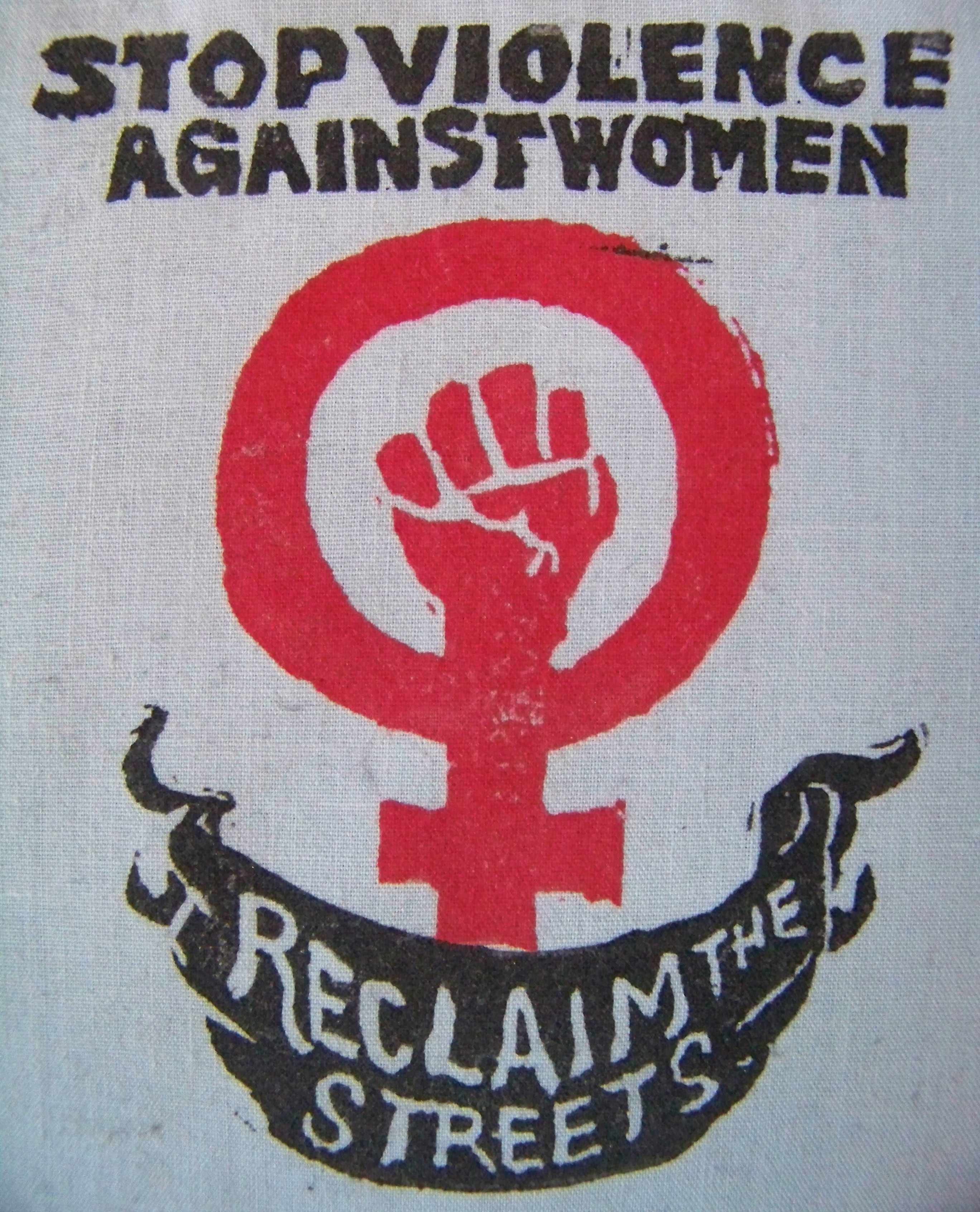
Reclaim the Streets patchWe Live In A Culture Of Rape

By Jorge Antonio Vallejos

Over the past few weeks I have noticed a spike in news about rapes around the world, in particular gang rapes.

I know rape is not a new thing.  And I know that it has been, and is, prevalent with and without stories in the media.

Rape has been around ever since humans have been around.

My way of combatting rape is through my writing.

Here is a video of me reading an essay about rape culture and how I use poetry to fight it.  I presented it at the American Comparative Literature Association conference 2013 in Toronto this past March.  Academics in the crowd really appreciated it.

Please SHARE far and wide on Facebook, Twitter, and other means.

Lets combat rape culture!

Posted in Uncategorized | Tagged , , , , , , , , , , | Leave a comment

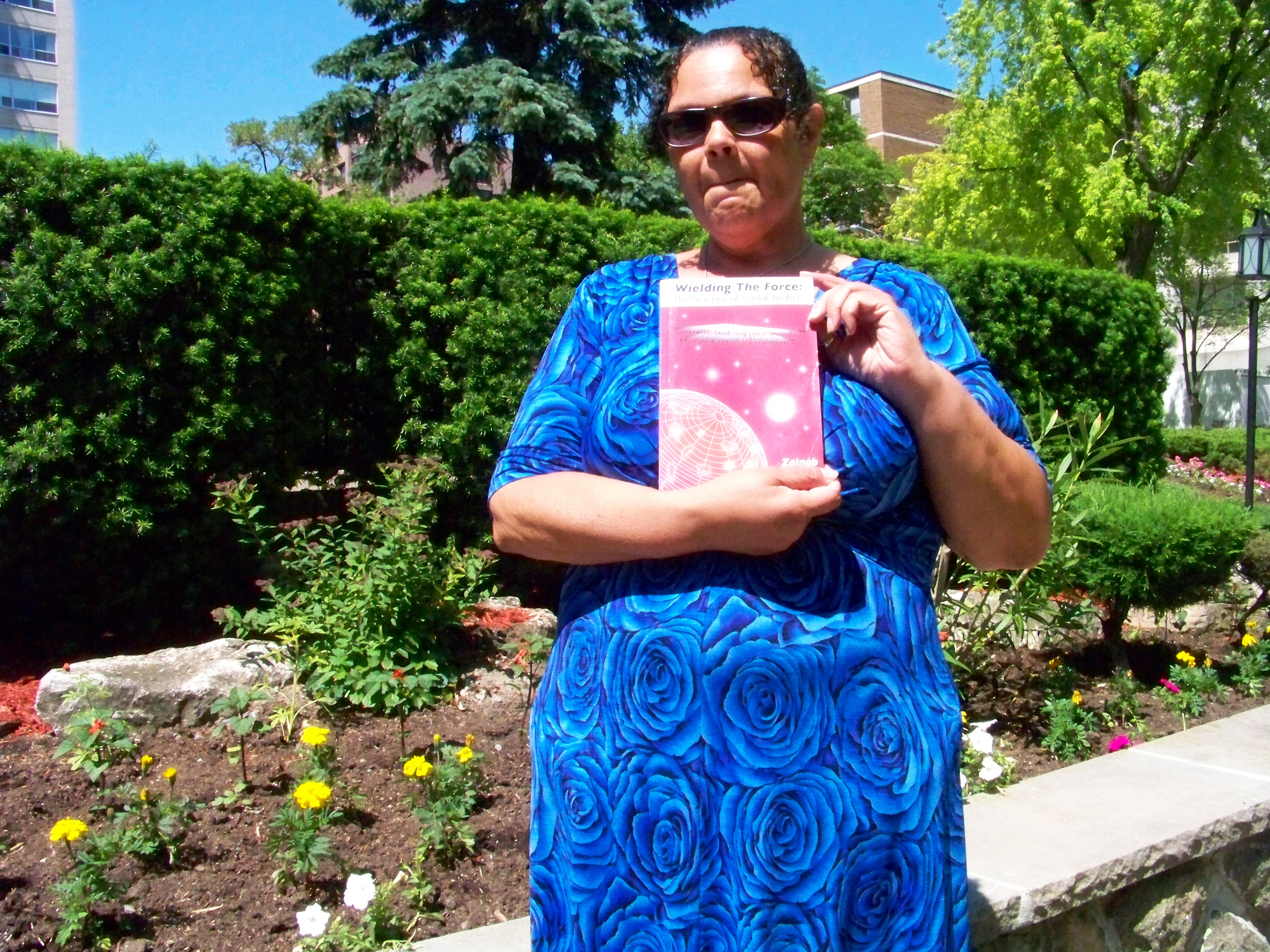
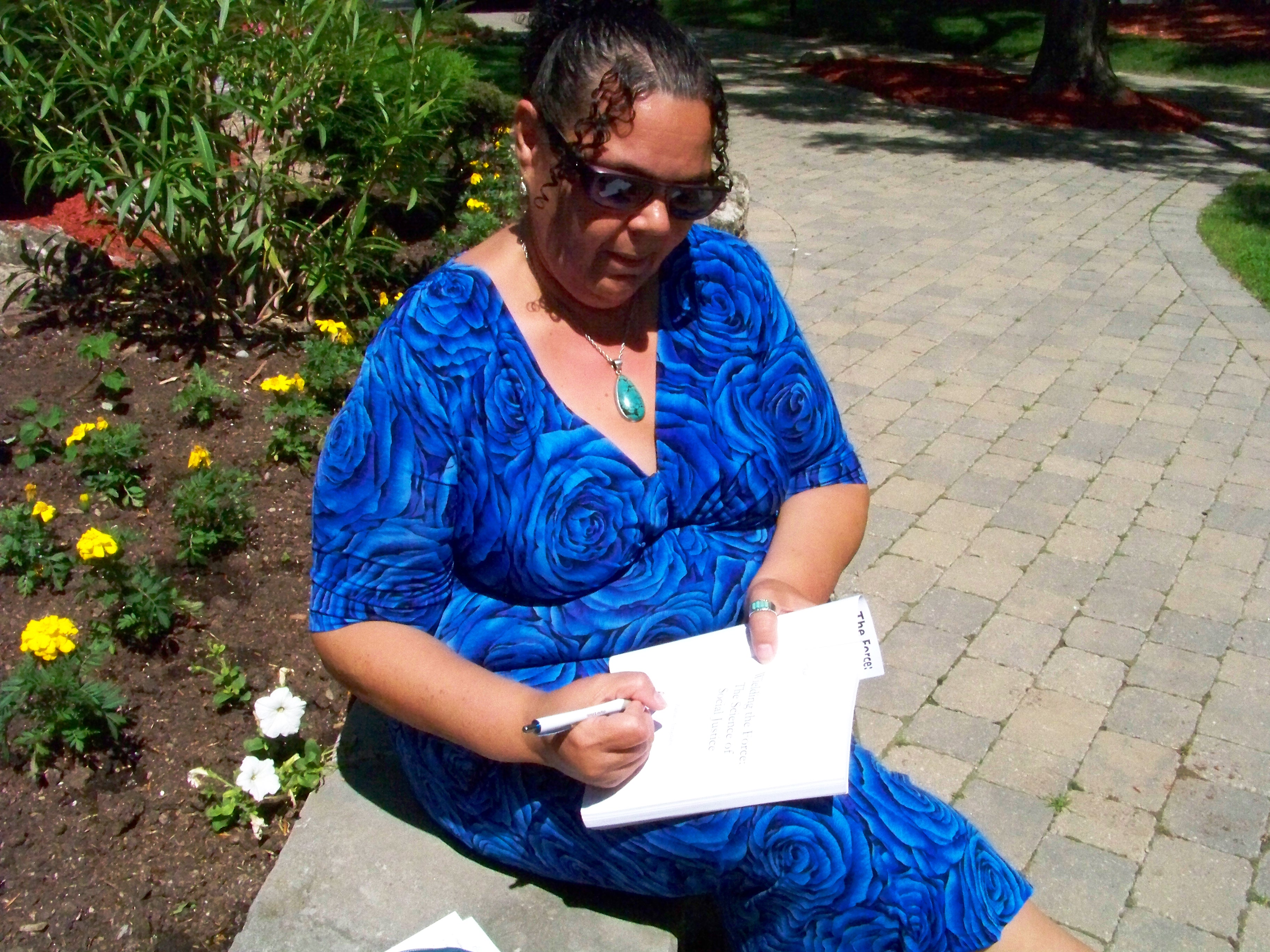
ZAINAB AMADAHY READS FROM HER BOOK “WIELDING THE FORCE: THE SCIENCE OF SOCIAL JUSTICE”

Zainab reading her bookZainab Amadahy was featured on blackcoffeepoet.com in 2010.  She read an amazing poem called Bones and was part of one of the best interviews that year.

I had the pleasure of speaking alongside Zainab in December 2012 about the racism behind, and embedded in, Canada’s December 6th Vigil which remembers 14 white women killed in 1988.  Our talk was called Remembering Otherwise: Centering Race in Gender Advocacy and it went well!

This week guest writer May Lui reviewed Zainab’s new book Wielding The Force: The Science of Social Justice and interviewed Zainab about it.

Watch Zainab Amadahy read from her new book Wielding the Force: The Science of Social Justice.

SHARE, Tweet, and Comment:

SUBSCRIBE to the Black Coffee Poet YOUTUBE Channel: 159 videos:

Poetry, song, interviews, readings, roundtables, and workshops. 

Posted in Uncategorized | Tagged , , , , , , , , , , | Leave a comment

INTERVIEW WITH ZAINAB AMADAHY AUTHOR OF “WIELDING THE FORCE: THE SCIENCE OF SOCIAL JUSTICE”

Zainab Amadahy head shot 2Zainab Amadahy is an author, singer/songwriter and educator. Among her publications are Indigenous Peoples and Black Peoples in Canada for Breaching the Colonial Contract. She also contributed to Strong Women’s Stories: Native Vision and Community Survival and authored the feminist science fiction novel Moons of Palmares. Zainab’s new book Wielding the Force: The Science of Social Justice explores the mind/body/spirit connection and its relevance to social justice and community organizing.

Zainab was previously featured on blackcoffeepoet.com (interview and video) in 2010.

May Lui: Why did you write this book?

Zainab Amadahy: Truthfully, I was shocked that the science I was reading about was not well known or being taught in schools because the implications were mind blowing.  The more I learned the more I realized how important this information is to people’s health and happiness as well as to community organizing and social justice.  I was also thrilled with how it was consistent with Indigenous knowledge, which has been denigrated, devalued and ignored for so long.

Another reason, which I don’t discuss much, is that I had several experiences inside and outside of ceremony that led me to believe that my ancestors wanted to see this book get written.  And they don’t seem to be finished with me so there will be more.

ML: How long did it take you to write the book?

ZA: In terms of actually sitting down and typing it out, maybe about 6 months.  But the research took about four years and is ongoing.
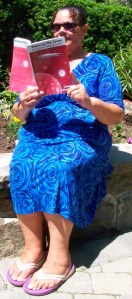
Zainab reading her book

More important than the time it took me to write the book was the transformation I underwent in the process.  Writing and other types of artistic work can be quite transformative and I’m grateful that this was true for me.  As I struggled to live what I was learning and writing about I really grew spiritually and emotionally.  And that’s the hope that I hold for people who read the book.  I hope they experience a powerful transformation and that they’re able to not only integrate this knowledge into their lives but are able take it to higher levels.

ML: I was present at a few workshops and talks that you held while you were writing the book. What other ways did you utilize regarding the content? Why did you choose to do this?

ZA: I started doing workshops about a year before the book came out.  I had seen myself in a vision conducting workshops on this knowledge and I had this wonderful feeling that people would respond to it positively.  It felt as though the workshops could play an important role in getting this information out into the world.  I was really nervous at first but it was a good way to see how my audience (activists, community workers, students, etc.) reacted to this material.  Workshop participants helped me figure out better ways of explaining certain concepts and identify the typical kinds of questions people had.  The earlier workshops sometimes made me go back into research mode because people had such great questions and critiques of the science.  So the early workshop participants informed parts of the book.  Current workshops continue to inform my work, including the next book, coming out shortly.

Workshopping also gave me confidence.  I had health care workers, environmental scientists, a biologist and even a physicist come to my sessions and they were completely on board with the information I shared.  So that meant a lot.

ML: If you could summarize the book in a few paragraphs, what would you say?

ZA: The book looks at the implications of emerging science, especially medical science, which can radically transform the way we see ourselves in this world, the way we understand community, and our sense of empowerment.  The new science is very much starting to look like the wisdom of many ancient traditions.  It shows us how life is intricately connected at the energetic level.  In other words it demonstrates how we have the power to physically (and otherwise) heal self, each other and Our Relations through mere thoughts and emotions as well as actions.

After we absorb a lot of information on how some new discoveries can be useful to us as individuals, we then look at the implications for community work, artistic production, education, activism and much more.  In fact, I argue that this new knowledge suggests its time for a paradigm shift that transcends right and left wing philosophies in favour of one that recognizes that everything, including matter, is essentially energy.  Furthermore, our thoughts and feelings, as forms of energy, are significant creative forces in the world  — as powerful as actions.

ML: Please share why you decided to self-publish, what the process was like, and your thoughts and reflections on self-publishing.
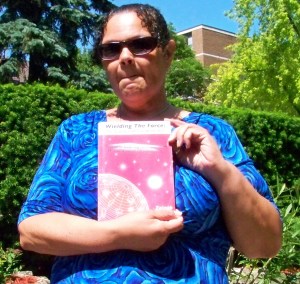
Zainab holding her book

ZA: I’ve been published before but there were two main reasons I wanted to self-publish this time around.

1) Timelines.  The process of finding a publisher, editing and design can take years.  With my first novel it took almost three years but it can certainly take longer.  I didn’t want to wait that long to get this information out there.  There are so many implications for decolonization and social justice work I feel like we’ve waited long enough.  Plus, I didn’t want to deal with the kinds of barriers to publication that might crop up because of the resistance and cynicism in some sectors to this information.  Particularly the knowledge that’s difficult to profit from.

2) Money.  People don’t realize how little authors and other artists get for their work at the end of the day.  It’s true that there are bestselling authors that make a fair bit of money, especially those that sign movie deals, but most of us spend years learning our craft, researching our work and writing yet we live below the poverty line.  Publishers, agents & retailers can all make a living off of our work but we who create really only get a pittance.  When my first novel was out it sold for something like $24 but I only saw $1-$2 for every copy sold.  And that was four years worth of work.

I still believe that publishing houses have an important role to play but at this stage of my writing career I wanted to try out something different and see how it went.  Bottom line: I’d like to be paid fairly for my work.

Self-publishing has been quite an experience and I’m learning every day about book promotion and developing relationships with my audience.  I completely understand that self-publishing isn’t for everybody or every book, though.

You certainly won’t get rich self-publishing and you’ll work hard but it’s very satisfying.

ML: Why the Star Wars metaphors? (Which I love, by the way.)

ZA: I tried to make make the book feel accessible, fun and interesting.  Many people who can benefit from scientific information are resistant to it and for good reason.  It’s complicated, full of jargon and often oppressive.  Science has been used to rationalize a lot of injustice in the world.  So I was trying to lighten it up a bit.  I’m not sure that referencing Star Wars was the best call and I would love to hear from readers on that.

Until my book came out I’d never realized how many people have never seen the original Star Wars, which was about rebellion against Empire.  Although the first three films were problematic in terms of patriarchy, heterosexism, Eurocentrism, etc., the story had to do with disempowered people, who didn’t particularly like each other at first, working together to overthrow their oppressors.  It also had to do with how the teachings of the old and dishonoured “Jedi”, who had undergone a genocide because of their belief in “The Force”, could reverse power dynamics.  When I saw the first films, the portrayal of people denigrating spiritual beliefs for political purposes resonated with me.  I loved that an “Elder” survivor of the Jedi genocide (Obi Wan Kenobi), was able to pass on teachings in the interest of reviving Jedi spiritual beliefs to challenge power.

The recent Star Wars films have seemed to contradict the messages of the first three films.  In the newer films the Jedi are in league with Empire and play the role of galactic police force.  Plus, now SW is a multi-billion dollar franchise that exemplifies how wealth is spent on reframing and co-opting stories of rebellion.

In any case, the advantage to being self-published is that I can retitle the book and take out the Star Wars references with revised editions.  I can drive the content and process in accordance with the wishes of my audience/community.

ML: The book has been out for a few months now. What has the feedback been so far? What parts of the book have been received well?
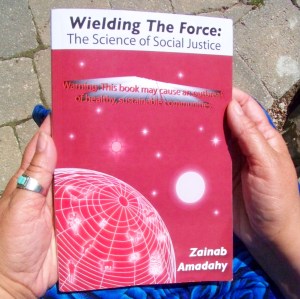
Zainabs hands holding book

ZA: I’ve been brought to tears by the enthusiasm and positive feedback I’ve received from people who have read the book or gone to my workshops.  There are certainly questions here and there but everybody that has communicated with me has been overwhelmingly supportive.  Some even say they have been transformed.  I’m just hoping I can get the book and workshops out there to more people because they seem to be contributing to people’s lives & work and that’s why I write.  I’m certainly not the only one doing this work but I think this information has the potential to fast track social justice and decolonization processes.

ML: What parts of the book have people been most resistant to?

ZA: There are two things that people tend to feel a bit resistant to:

1) Initially, with the workshops, participants felt that I was suggesting it was beneficial to stay positive and cheerful no matter what they and others were experiencing.  But, of course, that is very simplistic, New Agey and not at all healthy.  It’s also not what I’m saying.  What I’m saying is a bit too complex to explain here (which is why I wrote a book) but it’s really about developing an awareness of your thoughts and feelings, developing a healthy relationship with them and taking responsibility for them because they have conjuring power.  They not only impact how you experience YOUR life, they also impact the wellbeing of other life forms.

2) There’s been some cynicism about the published research on how our thoughts and feelings impact water.  I start out looking at Dr. Masaru Emoto’s work, which has been heavily critiqued in the world of science, but his findings are consistent with Indigenous knowledge as well as my personal experiences.  I also explored the work of other hard science researchers after an earlier draft manuscript was critiqued for being unconvincing on this point.  I was advised to take that section out but I didn’t want to because, for Indigenous communities, the scientific findings I explore reflect our understandings of how we two-leggeds relate to the waters.  Also, because water really needs our help and prayers right now.

ML: Will you ever write the second novel you mentioned near the end of Wielding The Force?

ZA: By the beginning of the fall I’ll have a booklet out that contains practical exercises for groups, collectives, cooperatives, etc, that want to put the principles of Wielding the Force into action.  The science is developing rapidly and the corporate sector is beginning to make use of these ideas to better control their workforces and make more profit.  But in this next publication I’ll be looking at how social justice, activist and community groups can implement this information to be more cohesive and effective.

ML: What are you working on now (writing, art, etc)?
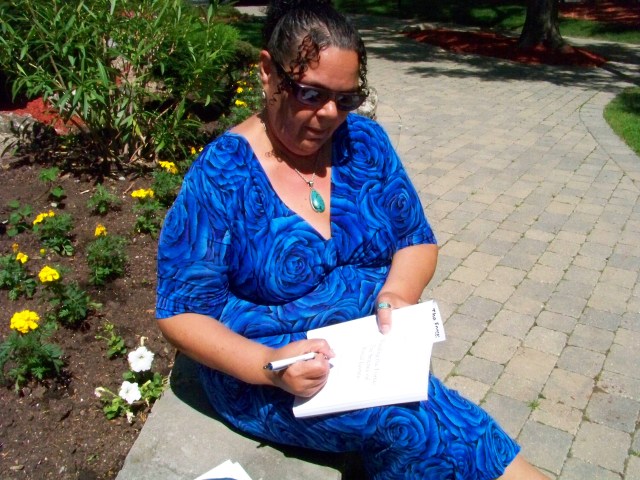
Zainab writing in her book

ZA: I’m working on a rewrite of my first novel Moons of Palmares.  My son, Leith Martin, is co-writing it with me.  That should make or break our relationship.  The book will be very different in terms of its political depth as well as character and story development.

I’m also writing a trilogy of Nano Tales novellas, that take place in a future where capitalism has pretty well collapsed and a group of people in Toronto is trying to build a cooperative, sustainable community but they come up against some corporate dinosaurs that want to re-establish their power.  We also look at some of the various potential uses of nanotechnology.

Finally, I’m working on a film that was just shot called Alien Night, a science fiction comedy that satirizes terrorphobia.  There are some other film and TV projects in the works as well.

So I’m happily busy.

ML: Is there anything else you’d like to share about the book, the writing process, your journey with the book?

Well, I’d really like it if my readers could do what they can to help me get the book out there or get me workshop and speaking gigs.  It’s not an ego thing.  I sincerely believe this information needs to be in the hands of communities and when we’re all on the same page it’s going to make a huge difference for upcoming generations, the Earth and Our Relations.

Secondly, I’d like to encourage my readers to correspond with me, friend me on Facebook, leave reviews on my Amazon page or otherwise share information on how they have experienced my writings.  It’s a way to help me develop my work and better respond to community aspirations.  So review it for blogs, comment on it in social media, etc.  Positive or negative, it’s all good.

Other than that, I just want to offer my gratitude to you and Black Coffee Poet for your support.

ML: Thank you, Zainab! I wish you the best success with this book and your other projects.
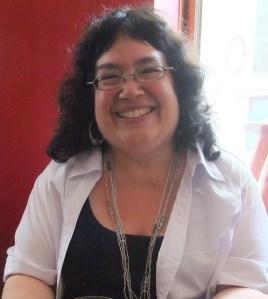
May 2012-1May Lui is a Toronto-based writer who is mixed-race, anti-racist, feminist and an all around troublemaker.

May blogs at maysie.ca, ranting and raving at any and all injusticesand uses the f-bomb regularly.

She’s been published in the Toronto StarFireweed MagazineSiren Magazine, in the anthology With a Rough Tongue: Femmes Write Porn, at section15.ca and rabble.ca. Contact her atmaysie@rogers.com.

Tune into Black Coffee Poet Friday June 14, 2013 for a video of Zainab Amadahy reading from her book Wielding The Force: The Science of Social Justice. 

Posted in Uncategorized | Tagged , , , , , , , , , , , , | Leave a comment

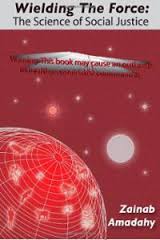
WIELDING THE FORCE: THE SCIENCE OF SOCIAL JUSTICE

Zainabs book coverWielding the Force: The Science of Social Justice

By Zainab Amadahy

Reviewed by May Lui

This is a remarkable book that aims to widen the reader’s understanding of  paradigms such as thinking in binaries, valuing the material over the relational, looking at sciences as superior to other forms of evidence, knowledge and practice, and the construction of the best ways to understand the world.

Amadahy describes how in the Western context, which we are all subject to in Canada and elsewhere, we’ve been taught to look at the world, and to understand the world, in particular ways. We are taught there are things called objectivity, measureable outcomes, and ways to predict the world and the people and creatures in it.  There’s a certain desire for control that is overt, and covert, in such a worldview. This has consequences.

When people are taught that they are intact, separate and isolated individuals, then any injustice or oppression they experience is entirely their fault. Oppressive systems then go unchallenged, systems that were created and structured to benefit the few at the expense of the many, and we’re all taught to be fine with that. What happens when we imagine ourselves as interconnected? What happens when we look at our lives as affecting all that we’re in contact with, and are affected by everything in return? As a reader and learner, I continue to struggle with this concept.

An example the author uses is the classic “left brain” and “right brain” understanding. She describes the left brain as the mouse brain (this is the rational, linear, logical brain) and the right brain as the eagle brain (this is the creative, big picture brain). She describes how Western culture has been taught over and over again to value one side of the brain over the other. I think we can guess which one. She argues not to reverse this, but to see the strengths in both while also interrogating the binary framework that surrounds this worldview.

Amadahy is a big-picture thinker, and she incorporates various ways of thinking, including spirituality and Aboriginal ways of learning and living. She constantly asks that the reader look at our own biases and preconceived ways of thinking and understanding the world, opening up different possibilities. She aims not to convert or preach her views but to allow for openness to perceive the world in a way many of us haven’t experienced.

Another example is the idea of evolution, most often understood as “survival of the fittest”. This implies a built-in competitiveness both for humans and for all life-forms. Amadahy contrasts this with the Three Sisters teaching, which is about food the Haundenosaunee (Iroquois) have relied upon for hundreds of years: beans, corn and squash. The author describes how the growth and life cycle of each enhances the others and provides food. For example: “bean stems  wind their way around cornstalks, stabilizing them, while enriching the soil with nitrogen. Squash vines remain close to the ground and shade emerging weeds, preventing their growth while trapping moisture in the soil,” (page 39).

Amadahy reframes animals hunting other animals for food not as an example of competition, but as a reality that “even death and decay serve to nurture new life,” (page 39).

The book also discusses the idea of the placebo effect. This is something done in research testing that gives one group medication, or in the example used on page 55, knee surgery on people experiencing arthritis. Two groups received the surgery; one group did not, but had incisions, stitches and the same post-operation treatment as the other groups. The group that did not have surgery, but thought they had, recovered at the same rate as the other groups. Medical science is documenting more and more of these examples.

Amadahy also described the “nocebo” affect, the opposite of the placebo effect. This is a phenomenon in which nothing is actually wrong, but the belief that something is harmful, such as a harmless plant that looks like poison ivy, in the example in the book, that’s rubbed on people’s skin, and rashes develop. The mind is a powerful thing.

It’s pretty well understood these days (by medical science) that stress has an effect on our bodies and our mental health. But this was not always the case. Amadahy frames this as Western science slowly catching up to the learnings of thousands of years of Indigenous healing. Ironically, such healings don’t get mainstream legitimacy until such validation occurs.

The book describes a number of studies that indicated links between Heart Rate Variability (HRV) and stress.  During stress the fight/flight/freeze response is activated, there’s a rise in adrenaline, among other chemicals in our bodies, and our heart rate becomes erratic, or incoherent. This stress response can be activated not just by something happening in the moment, but even just the thought or memory of something stressful.

And the reverse is true, when our heart rates are coherent. When we feel gratitude, compassion, etc. other chemicals are released such as oxytocin. Again, the memory or the thought of this feeling, or observing someone else, can bring this state and these chemicals to our bodies.

Amadahy wrote this book, to a great extent, for activists, particularly non-Indigenous activists of the white leftist Canadian tradition. Having been raised and operating my activist life mostly within this definition, I felt the relevance of the book’s teachings, even as I resisted some of them. She sprinkles references to activists throughout the book, but concentrates more fully and directly on activists and unhealthy dynamics in activism in the later chapters. Many of the topics she raises resonated for me.

For example, the crisis state. Any activist will recognize this. Amadahy is clear that while there are crises that need to be responded to, many groups operate from this crisis state all the time. She asks us to remember the HRV research on stress and asks us a deeper question: how can activism, with the intent of improving the world, be successful if everything originates from a highly stressed, anxious and negative place?

The author also critiques the structures of many activist groups and organizations, structures that for the most part exclude Aboriginal voices and learnings, and in fact duplicate the power structures that activists work against. As an anti-racist activist, I completely agree with this.

“It would do some activists… a world of good if they recalled that feeling separate, unconnected and superior in some way is what got our world into the mess it’s in,” (page 95).

The last point that I wanted to mention is something that I have pondered myself for a number of years. Activism is most often thought of as marches and public protests. Amadahy reminds us that this form of protest is one of many, and that if we want to create a better world, how do we imagine that happening if we don’t actually try to do that now, within the oppressive world? Why aren’t community gardens, or community-run food programs held to the same level of activism?

Ultimately the book leaves me asking many more questions. It stimulates ideas for many discussions for the future, not to be pondered alone, but in community:

“I want to be nurturing life when I go down in struggle. I want nurturing life to be my struggle,” (page 145).

May 2012-1May Lui is a Toronto-based writer who is mixed-race, anti-racist, feminist and an all around troublemaker.

May blogs at maysie.ca, ranting and raving at any and all injusticesand uses the f-bomb regularly.

She’s been published in the Toronto StarFireweed MagazineSiren Magazine, in the anthology With a Rough Tongue: Femmes Write Porn, at section15.ca and rabble.ca. Contact her atmaysie@rogers.com

Posted in Uncategorized | Tagged , , , , , , , , , , , , , , , | 3 Comments