
The Homecoming: Thoughts and a Poem About Prison
By Jorge Antonio Vallejos
I found out on Saturday that an acquaintance has just been charged with first-degree murder:
“Did you hear about [so and so]?” said my friend.
“Was he killed?” I said.
“No, he’s been charged with killing someone,” said my friend.
I met the accused years ago. We would chat briefly when we saw each other. Our talks were hyper masculine: women and boxing and partying. His stories often involved drinking and bar fights. This is why I thought he was killed.
My phone call with my friend was cut short so I had to GOOGLE the news about the murder. I assumed the accused killed someone with his hands or a broken beer bottle. I was wrong.
Shotgun-blast-wrong.
After reading a few articles in bed on my laptop I decided to shut down my computer and lay down.
It was contemplation time:
Prison
Murder
Gangs
Rape
Life changes
Solitude
Freedom
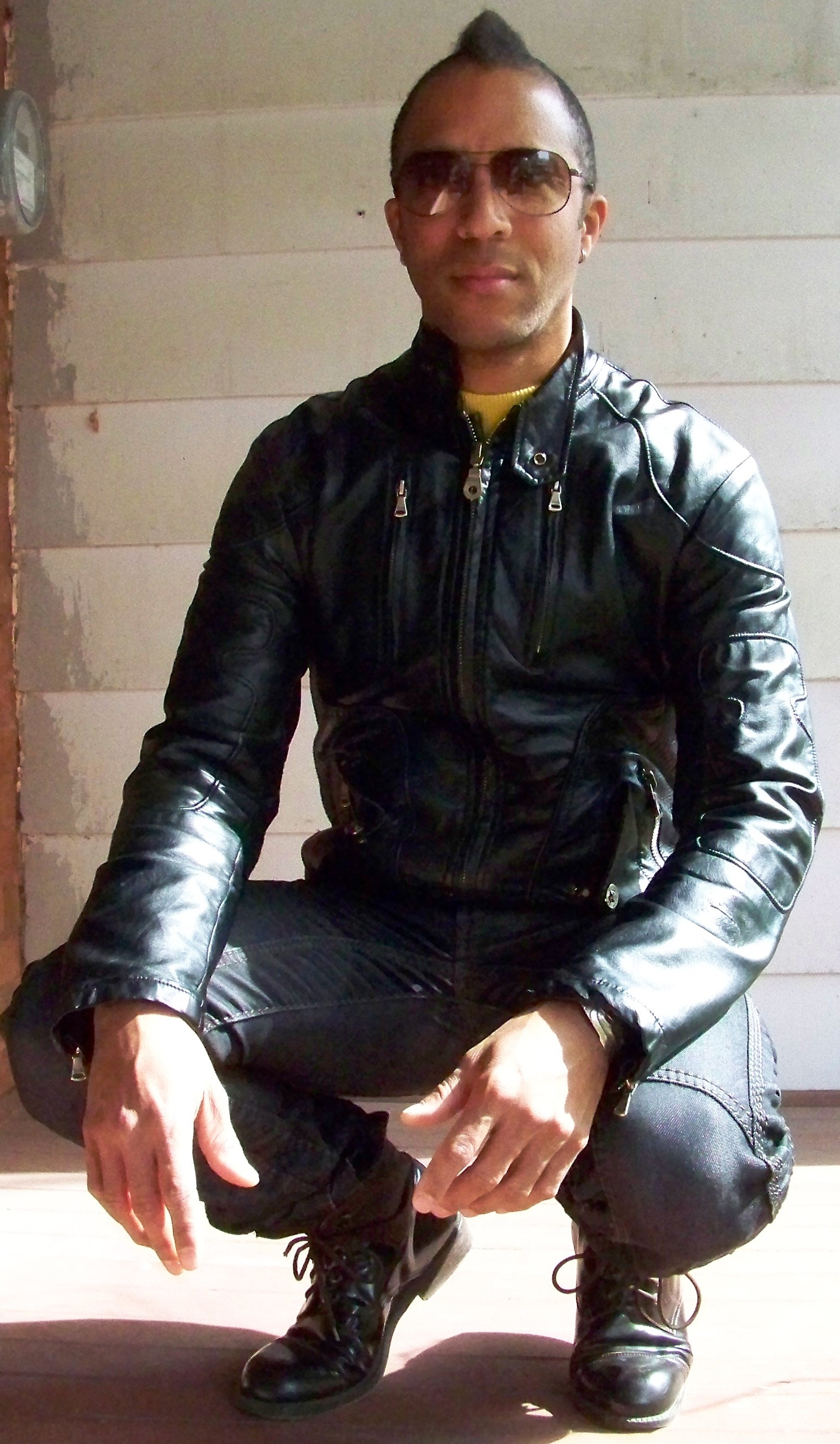
I’m a much different person than I was years ago. Most people know about the Black Coffee Poet but they don’t know Jorge.
Before entering university and claiming myself a writer and earning a degree I was on the wrong path: the path to prison. Cops told me so, relatives told me so, teachers told me so, I told me so.
The last telling being the most destructive.
I had been involved in various things that escalated from the time I was 12 to 21: stealing baseball and hockey cards to bikes to breaking into school lockers to stealing car stereos to whole cars to selling weed and crack and being involved in violent altercations.
When I was 17 I went to jail very briefly and when I was 19 I went to jail also. (See me reading, The Bull Pen, an essay and poem about my 2nd time going to jail.)
I had accepted that life.
And I glorified it. I remember cutting up crack on my desk while listening to Shook Ones part 2 by Mobb Deep. I sang the lyrics as I chopped a big chunk into pieces worth $20:
“As long as I’m alive I’m a live illegal.”
I had an invincibility complex.
I was delusional.
To me, going to prison was cool and a right of passage. It meant a completion of manhood.
Still, I was scared of being raped. Movies and my mom had put that in my head. So did a racist detective who unsuccessfully tried scaring me into talking after hours of interrogation:
“You’d be doing 25 years to life with n*****s with dicks this big!”
he said with his white hands shoulder width apart from one another.
(That’s who your taxes are going to pay, people!)
The first time I went to juvi my mom yelled at me on the phone:
“Don’t go to sleep! Keep your eyes on your cellmate all night in case he tries something on you and you have to fight!”
Thank Creator I’ve never experienced sexual violence.
My friend George and I talk about that a lot. Some of our male friends are survivors of sexual violence and we’ve seen how it can take a toll on someone’s life.
I sat in the park yesterday reading a Haruki Murakami book, What I Talk About When I Talk About Running, and I thought about the accused, my past, and his future.
The sun shone on me as I ingested Murakami’s words, a light wind passed through me, and the bench I sat on fit my body perfectly. I thought about my freedom; my mental, spiritual, and physical freedom. And I thought about choices. How the choices I made led me to turmoil and when I changed they led to enjoyment. I pictured Murakami running, and me walking, then I remembered the various cells I was in at different times in my youth. I thanked Creator for having me change my life and for the beautiful simplicity of sitting in a park alone with a good book.
Other memories came to mind. One was of my sweatlodge brother who did ten years and has been out for five years. Really, he’s still incarcerated. He’s institutionalized. All he talks about is prison and he keeps in touch with his buddies who are on the inside. At first his stories were interesting and then I got tired of our conversations being focused on the loss of freedom and what’s happening in a totally different world that is 2 hours away from me; a world I don’t want to see: Kingston Pen. Or any pen.
I thought and thought and thought: Why did I change? How did I change? Have I grown up? What is in store for the accused? Is my lodge brother still thinking about steel bars, loud buzzers, and The Native Brotherhood? How, and where, are other people I knew who were involved in crime?
The fragility of men was on my mind. At times a defeatest mentality creeps in and I have visions of doing hard time. I wonder if I still think that going to prison will complete me? Do I still think prison equals manhood? Have I stopped viewing big time drug dealers are idols?
You never know what someone is thinking.
I remember being in my first year of university and contemplating selling drugs again. The poor student life isn’t always as exciting or glamorous as getting away with crimes and making money. And I still hung out with dealers in my first and second year; people I started out in the trade; people who respected me; people who were happy I was in university and who would pay for me everywhere we went because I was the poor student and they were making a lot of money.
Most of my friends are Aboriginal and Peoples Of Colour. Many of us have been arrested and incarcerated. And that’s how the system wants it. I know this. It’s called colonialism; sadly, it’s alive and thriving. And the prison industrial complex is an extension of colonialism that mainly squeezes and holds Aboriginals, Blacks, and Latinos/Mestizos in the stolen land now known as North America.
Aboriginal peoples and Peoples Of Colour are told via media from a young age that prison is their future. COPS, The First 48, DEA, and Beyond Scared Straight are just a few of the current shows that do the telling.
My love for my mom has kept me out of trouble as well as the fear of sexual violence and the loss of freedom on a long-term basis; and of course the loss of my life. I was seeing a lot of guns and the levels of violence I was involved in were escalating. It got scary.
Did I change my ways out of selfishness? What does it mean to “make the right choices”? Why are they right? And what is right about them?
I thought about the accused while in bed. If he is convicted and goes away for a long time will his mom pass on while he’s inside? We are at that age. Does he have kids? Will he be able to survive racial segregation inside? The white supremacists are going to want him. When will he come home? Will anyone be waiting? Will there be a home to come back to?
Years ago an acquaintance of mine, who was then someone I considered a friend, came home from doing a year and a half up north. It was his fifth or sixth time inside and he did five years after that. I wrote this poem last winter when the memory hit me:
By Jorge Antonio Vallejos
We waited a year and a half to
hear your stories
see your size
work your new connections
You told us of
broken jaws
shitty food
a former boxer who made shanks
Jokes, junk food, a walk to the bridge,
then you took a marker and wrote
WHITE SUPREMACY
on the wall under the pool.
A groan of disbelief by one
spoke for us all.
The shade no longer covered you.
As I held my Murakami book and heard the birds sing I thought how the life of a starving artist, and former poor student, who is free is priceless. I gave thanks again to Creator, prayed for the accused and the deceased, and I went to spend Mothers Day with my moms.





 Black Coffee Poet