LIVING 2 LIVES/DYING 1000 DEATHS

Living 2 Lives/Dying 1000 Deaths

Directed by Dana Greenbaum

Starring Stefoknee Wolscht

Reviewed By Jorge Antonio Vallejos

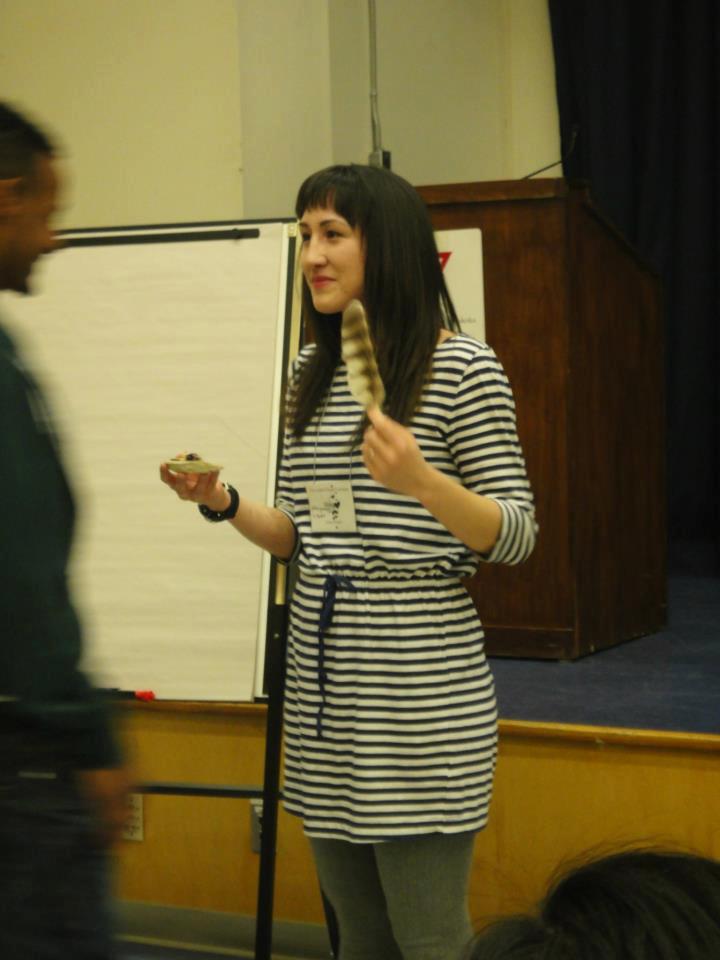
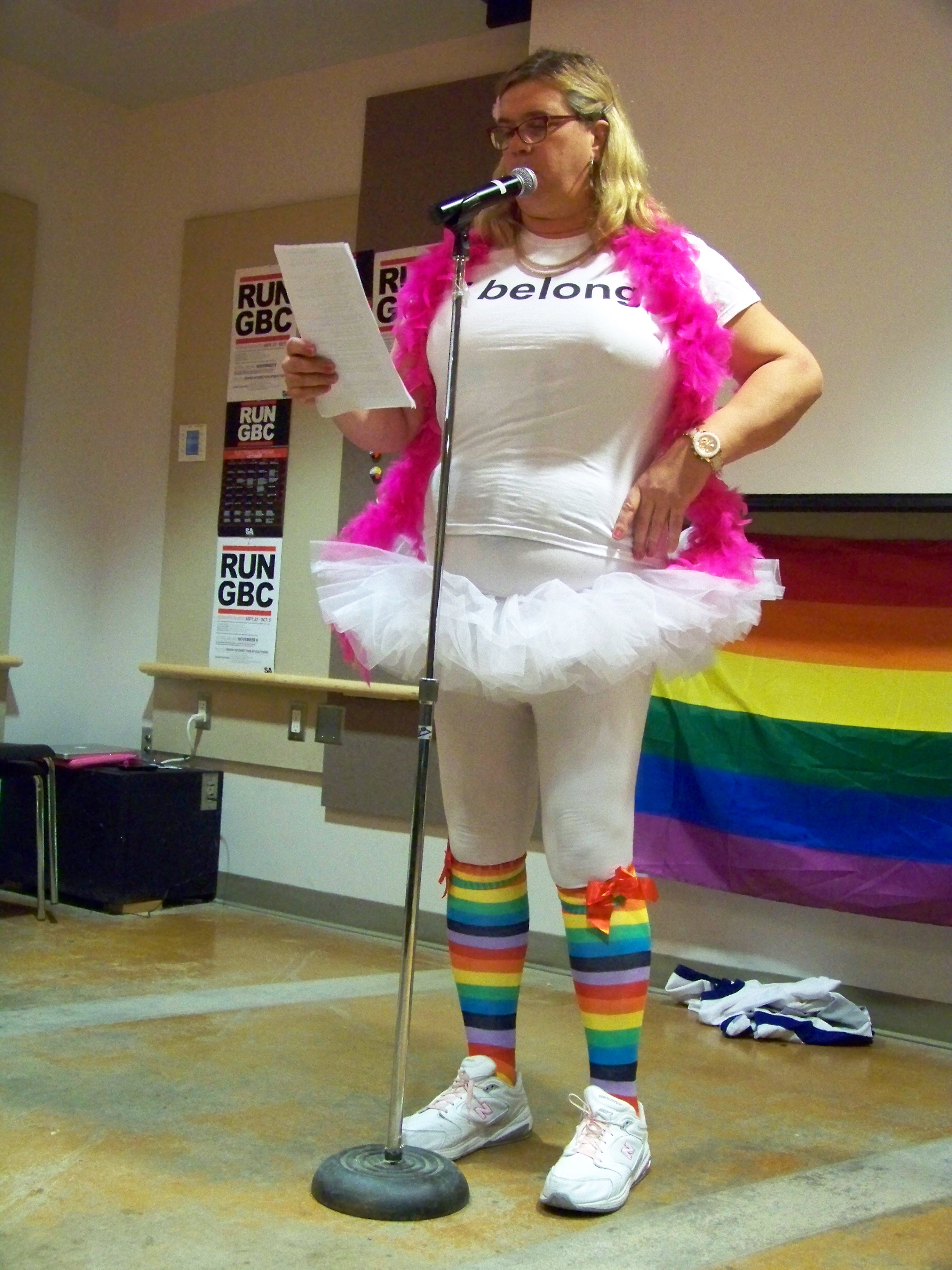
Stefoknee Wolscht and I performed at George Brown College in October 2012 as part of We Are Who We Are.  After the event Stefoknee drove me home.  We talked about life, the medical industrial complex and its abuse of Trans peoples, oppression, and suicide.

“That’s how we die,” she said.

Suicide is a large percentage of the deaths in the Transgender community.  Violence at the hands of another, usually related to Transphobia, is also a large part. 

“Have a copy of my film,” said Stefoknee as she handed me the DVD just before we hugged goodbye in front of my house. 

“Let’s hangout during the holidays,” I said. 

Her words saddened me: “I might not be around by then.”

Living 2 Lives/Dying 1000 Deaths is the story of one Transgender woman: Stefonknee Wolscht.  But it bares similarities to the lives of many Transgnder women.  It starts out with a quote by Sandy Stone from The Journal of Transgender Feminism:

One of the ways people justify oppressing people of any alternative gender of sexuality is by claiming that the social norm is natural.  That is, it originates from God, an authority to which there is no appeal.  All this is in fact, a complete fabrication.  There is no natural “sex” because “sex” itself as a medical or cultural category, is nothing more than the momentary outcome of battles over who owns the meaning of the category. 

An image of Stefoknee sitting in an empty church talking about her children follows.  Stefoknee shares how much she loves her children and how she told her oldest child about being Transgender.

The camera focuses on her face while a violin plays somber music. Stefoknee speaks in a clear voice about her life experiences while important statistics appear in between shots of Stefoknee talking: 

  • 74% of Transgender people have experienced high incidents of verbal harassment
  • 38% of Transgender people have experienced attempted assault
  • 32% of Transgender people have experienced physical assault
  • 77% of Transgender people have seriously considered suicide

Before Stefonknee dives deep into her story a definition of Trans-gen-der appears:

“Umbrella term referring to people who cross traditional gender norms; can mean people who are transgender; trans sexual, crossdressers, intersex and/or gender queer.

The film covers a lot of ground in 30 minutes: housing discrimination, pre-transition family life, cross-dressing, conferences, violence, sex-reassignment surgery, suicide, and the many difficulties of Transgender life.

What stands out most is the honesty and transparency that Stefoknee displays.  She shares her age, pre-transition name with many photos, childhood life, experimenting with women’s clothing in secret, and more.

The simplicity of the film is brought to life by the eloquent and quotable words that come out of Stefoknee.  Regarding her application for sex re-assignment surgery she says, “I don’t want to die in this body.  I don’t want to spend eternity in this body.”

Raised as a Christian and practicing her face throughout her life (hence the church setting for the film), Stefoknee profoundly talked about the challenge of being a Transgender person of faith, and her words with God:

“My prayers quickly went to, “You promised you’d never give me a cross that was too heavy to bear.  You lied.””

As a result of coming out as Trans after 46 years Stefoknee has lost everything: family, job, and home.

Applying for employment and housing as a Transgender person who does not *pass is extremely hard. “We lose all credibility because of the way we look,” says Stefoknee.

On top of being discriminated for who she is Stefoknee fears for her family.  “The discrimination is so bad that my siblings fear the way they’ll be treated if people find out that I’m Transgender.”

All this has brought on much stress: “There’s a stress created from suppressing who you really are that is as bad as the stress of knowing that you’re going to get discriminated against.”

The simplicity that Stefoknee enjoyed while growing up on a farm has turned to an extremely difficult life having Stefoknee become part of the 77% of Transgender people who have seriously considered suicide:

“I thought suicide would have been an easier way to fix everything,” said Stefoknee.

Stefoknee is charismatic, funny, and talented.  She can steal the show anywhere.  More importantly she has a huge heart.  If there is a definition of what it means to be an active and loving community member there will be a picture of Stefoknee alongside it. 

Living 2 Lives/Dying 1000 Deaths is a good start for people to know more about Transgender life.  If there are words that you do not understand definitions are provided.  And Stefoknee speaks slow, clear, and concise. 

The problems with the film are that the camera work is not always great as there is too much zooming in and out at times.  And the film ends abruptly.  You’re left thinking, “What happened?”  

What is definitely missing from the film is a race and class analysis.  It is Stefoknee’s story but the stats given do not share info about Transgender peoples who are poor, of colour, disabled, homeless, or Indigenous.

The Stefoknee I know is living her true life and laughing with me 1000 times every time we see each other.  I hope to continually experience more times like this with her.

*Pass (verb): In the trans* community, to pass is to be perceived as the gender you identify as. It’s typically, but not always, used in the context of a trans* person discussing their experience in the public world. There’s some debate around the term in that it connotes that one is trying to pass under the radar as someone they aren’t when that isn’t the case. 

Tune in to BlackCoffeePoet.com Wednesday November 21, 2012 for an inclusive interview with Stefoknee Wolscht.
Posted in Uncategorized | Tagged , , , , , , , , , | 7 Comments

REMEMBERING HELEN BETTY OSBORNE: A POEM BY MARILYN DUMONT

This week we honoured Helen Betty Osborne via an

Opinion Editorial, Lest We Forget, by Cree academic Robyn Bourgeois

a Thank You Letter to Helen Betty Osborne by Norway House Cree Nation resident Megan Bertasson

and here we have a poem by Cree poet Marilyn Dumont.

Marilyn Dumont is a Cree/Metis poet with 3 collections to her name: A Really Good Brown Girl, Green Girl Dreams Mountains, That Tongued Belonging.  She has won several awards for her writing and has been Writer in Residence at various places.  

Dumont is currently working on her fourth collection of poems which is focused on Metis politics, and the life of her relative, and Indigenous revolutionary hero, Gabriel Dumont. 

Watch, SHARE, Tweet, and comment.

Signup to the Black Coffee Poet YOUTUBE Channel: 137 videos:

Poetry, interviews, VLOGs, readings and roundtables.

Posted in Uncategorized | Tagged , , , , | 4 Comments

REMEMBERING HELEN BETTY OSBORNE: A THANK YOU LETTER FROM A YOUNG CREE WOMAN

Nineteen-year old Cree woman Helen Betty Osborne was murdered by 4 white men November 13, 1971.  Osborne’s death and case have been labelled a “conspiracy of silence”.  We hounour Helen Betty Osborne this week on blackcoffeepoet.com via an Opinion Editorial, a Letter, and a Poem, all written by 3 Cree women: Robyn Bourgeois, Megan Bertasson, and Marilyn Dumont.  

A Letter To Helen Betty Osborne From A Young Cree Woman 

By Megan Bertasson

Dear Helen Betty Osborne,

I can’t recall the exact moment you came into my life. Perhaps this is owing to the fact that the legacy of your life and death are so well ingrained within our community that you have always been able to assert your presence in Norway House.

At different times in my life as I was growing into a woman, your memory has taken on new dimensions as I learnt more about your story –like a living being also growing. Sometimes people in town would talk about the different injustices you were forced to confront as you pursued your dreams. We would ask aloud and to no one in particular, “why is it that most First Nations communities did not have secondary schools in 1969 when education was outlined in nearly all treaties?”  Other times, people would comment on your strong and kind character and deplore your untimely death.

At home, we all seemed to agree on the true perpetrators of your crime. The justice system was convinced that only one man had murdered you, but most of us know that in the same way it takes a community to lift a person up, it was a community that attempted to take you down (unsuccessfully).

The impression that ultimately bears upon me is that of your daring will to dream and the conviction you had demonstrated as you endeavored to transform aspiration into reality. That is my memory of you that remains most vibrant and steadfast.

I have to ask if you knew your decision to leave Norway House to continue your education would not only profoundly impact your life, but also the lives of generations of Aboriginal women to follow. In many respects, you’re a trailblazer –tapwe. Today, Aboriginal girls and women are leaving Norway House and other First Nation communities in droves. Oftentimes, they are looking for work or the education that will help them find work to create better lives for themselves and, also, loved ones.

I don’t know how I feel about this; my attitude towards the rez is quite conflicted. School taught me that reserves are both colonial constructions and, at the same time, the result of painstaking petitions for treaty negotiations of our ancestors. Experience has shown me that Norway House is my only home –yet, it is the only place that could intensely hurt me. Setting aside the complex nature of reserves, city life isn’t necessarily a promise of relief (a sentiment I would imagine you understand well). I must acknowledge the violence and oppression Aboriginal women confront in pre-dominantly non-Aboriginal urban settings on a daily basis. Like you, many Aboriginal women are mistaken for stereotypical characters for others to enact sordid violent fantasies and frustrations upon. While these everyday transgressions have a seemingly fleeting nature that does not resemble your experience, they have the same enduring impact upon those affected women.

In my own experience, after having lived on the rez and in many cities, I am painfully aware of how it feels to believe there is nowhere you can safely exist, survive or succeed as an Aboriginal woman (something I like to imagine we could talk about together).

Recently, I completed writing a draft of a story that is focused on the crime committed against you. This story will allow me to gain a Master’s degree, but more importantly, writing this story has been an important form of catharsis. I think I kept you closest and needed you the most when I began my graduate studies. There are people who would argue that Aboriginal women are finally being welcomed within post-secondary institutions and in broader urban settings, but personal experience tells me that there is still a long way to go. Too many times throughout my studies I have been silenced because my knowledge is considered too subjective, too colloquial and too quaint. I cannot express how frustrating and painful it is to be told my pain and experiences aren’t valid or are nonexistent because I have not personally experienced my mother’s pain or the oppression that my kookom has.

In telling your story, I have been able to both tell my own story and legitimate the experiences of everyday violence that Aboriginal women in Canada must continue to confront. I hope that this story can eventually go on to help other women who are hurt and frustrated like myself. I hope that this story is a splash of paint upon these interlocking systems of colonialism, capitalism and patriarchy (which desperately try to remain invisible). I hope this story will allow other Aboriginal women to heal.

I want to thank you Helen for the life you dared to live and for all of your courage. I didn’t ask to tell your story, but I hope that I am forgiven for this and that my sincerity shines through. I want you to know how important you have been to me.

I want to thank you for staying by my side as I pursued a difficult path.

At first, it seemed sorrowful to write to you on the eve of the anniversary of your death, but, in the end, it only affirms your legacy’s strength and vivacity.

ᑭᓇᓈᐢᑯᒥᑎᐣ

KINANÂSKOMITIN

I AM GRATEFUL FOR YOU

Megan

Megan Bertasson is an Ininiw Iskwew (Cree Woman) originally from Norway House Cree Nation, Manitoba.

She is the currently completing her Master’s Degree in Socio-Legal Studies at York University.

Through her research, she seeks to reveal the the impact of ongoing colonialism and its genocidal impulses upon Aboriginal communities in Canada.

Megan likes to read, tell stories, and spend time with family and friends.

See Megan Bertasson’s excellent TEDx Talk: Acimowin

Tune into BlackCoffeePoet.com Friday November 15, 2012 for a video of Cree poet Marilyn Dumont reading her poem “Helen Betty Osborne”.

Posted in Uncategorized | Tagged , , , , , , , , , , , , , , , | 5 Comments

REMEMBERING HELEN BETTY OSBORNE: OP ED: “LEST WE FORGET”

Nineteen-year old Cree woman Helen Betty Osborne was murdered by 4 white men November 13, 1971.  Osborne’s death and case have been labelled a “conspiracy of silence”.  We hounour Helen Betty Osborne this week on blackcoffeepoet.com via an Opinion Editorial, a Letter, and a Poem, all written by 3 Cree women: Robyn Bourgeois, Megan Bertasson, and Marilyn Dumont.  CLICK on the LINKS within the Op Ed to learn more about the Epidemic of Violence Against Aboriginal Women.

Lest We Forget 

By Robyn Bourgeois

“Lest We Forget.”

As I write, it is Remembrance Day here in Canada, and all around me – on social media, in the news, and on television – I am being asked to remember the men and women who have served in Canada’s military, who fought for our freedom, who stood brave against the forces of oppression.

Lest we forget.

But if I am being asked to remember men and women who fought for my “freedom” and stood brave against the forces of oppression, I need to remember Helen Betty Osborne.

In fact, we all need to remember Helen Betty Osborne.

Helen Betty Osborne, an nineteen-year old Cree woman from Norway House First Nation, was murdered in an ongoing colonial war against First Nations women and girls in Canada. Indeed, her life and death were deeply shaped by a very real “superstorm” of domination created by the intersections of colonialism, racism, and patriarchy (among other systems of oppression) in Canadian society.

Betty, as friends and family called her, had been forced to relocate to The Pas, Manitoba for secondary school, because the federal government – who via the Indian Act are responsible for the education of status Indians – wouldn’t provide such an institution on her home reserve. Alone and without the support of family, Betty and other First Nations students faced a hostile colonial community where violence against First Nations was par for the course. As the Aboriginal Justice Inquiry – a Manitoba-based provincial investigation launched in 1988 in response to the murder of Helen Betty Osborne – found, First Nations people in The Pas were subject to segregation in public facilities, received poorer service in stores and restaurants, and regularly faced harassment and assault by non-First Nations individuals.

While walking home on the evening of November 13th, 1971, Helen Betty was approached by four young white men who asked her to “party”. When she refused, they forced her into the car, drove her out of town (all the while subjecting her to various forms of abuse) and, in an isolated wilderness area, brutally beat and stabbed her over fifty times with a screwdriver before leaving her for dead. As the Aboriginal Justice Inquiry claimed,

Women in our society live under constant threat of violence. The death of Betty Osborne was a brutal expression of that violence. She fell victim to vicious stereotypes born of ignorance and aggression when she was picked up by four drunken men looking for sex. Her attackers seemed to be operating on the assumption that Aboriginal women were promiscuous and open to enticement through alcohol or violence. It is evident that the men who abducted Osborne believed that young Aboriginal women were objects with no human value beyond sexual gratification (Aboriginal Justice Inquiry of Manitoba, 1991, p. “The Role of Sexism”).

“It is clear,” the Aboriginal Justice Inquiry notes, “that Betty Osborne would not have been killed if she had not been Aboriginal”.

In death, Helen Betty Osborne continued to face the superstorm of domination that plagues colonial Canada – because for sixteen years, her killers remained free because of a “conspiracy of silence” maintained by non-First Nations people in The Pas: residents who knew the identity of the killers and failed to say anything; the police who botched the investigation into her murder. And in the end, only one of her four killers ever faced justice for killing Betty. It seemed, still, people wanted to forget the brutality that had been inflicted on some “Indian”. The wife of one of the accused captured this sentiment with her comments about her husband’s arrest: “I don’t know why they (the police) just didn’t leave these guys alone” (cited in Priest, 1989, p. 140)

It’s been over forty years now since Helen Betty was murdered, yet this war wages on. Across Canada, hundreds, if not thousands, of First Nations women and girls have gone missing or been murdered over the last three decades. First Nations women and girls are subject to extreme rates of sexual violence – it is estimated, for example, that seventy-five percent of First Nations girls under age eighteen have been sexually abused (Lane, Bopp, and Bopp, cited in Downe, 2006, p. 8). This is in addition to the ongoing violence of colonial domination – including land and resource theft, prohibitions against sovereignty and self-determination, and the ongoing thefts of First Nations children by the State – and the extreme social deprivation these create for First Nations women and children in this country.

Helen Betty Osborne was killed because of colonialism, racism and patriarchy; and these forces continue to claim sister after sister to this day. As the Aboriginal Justice inquiry of Manitoba conclude, “those who stood by while the [violence] took place…showed their own racism, sexism, and indifference. Those who knew the story and remained silent must share their guilt”.

What will you do now that you have heard the story?

Lest we forget.

Because every day we “forget” stories like that of Helen Betty Osborne; like the hundreds of missing and murdered Aboriginal women and girls; like the Aboriginal women and girls facing extreme sexual violence; and like the women and children facing the everyday violences of colonialism, we show our own racism, sexism, and indifference.

Works Cited

Aboriginal Justice Inquiry of Manitoba (1991). Report of the Aboriginal Justice Inquiry of Manitoba. Winnipeg, MB: Province of Manitoba.

Downe, P. J. (2006). Aboriginal Girls in Canada: Living Histories of Dislocation, Exploitation and Strength. In Y. Jiwani, C. Steenbergen & C. Mitchell (Eds.), Girlhood: Redefining the Limits (pp. 1-14). Montreal: Black Rose Books.

Priest, L. (1989). Conspiracy of Silence. Toronto, ON: McLelland & Stewart.

Robyn Bourgeois is a mixed-race Lubicon Cree woman raised in Okanagan and Spalts’in territories in British Columbia nearing her completion of a Ph.D in the department of Humanities, Social Sciences and Social Justice Education at OISE/UT.

Bourgeois’ dissertation, “Warrior Women: The Politics of Naming and Responding to Violence Against First Nations Women and Girls in Canada,” examines the political implications for First Nations women in negotiating the dominant political terrain of Canadian State politics.

Currently at home on maternity leave, enjoying the birth of her first baby, Bourgeois will be returning to work at Wilfrid Laurier University’s Brantford campus in January 2013, where she teaches in Indigenous Studies, Criminology, and Contemporary Studies.

Tune into BlackCoffeePoet.com Wednesday November 14, 2012 for a Letter to Helen Betty Osborne from Megan Bertasson, a young Cree woman from Norway House First Nation (Osborne’s home community).

Posted in Uncategorized | Tagged , , , , , , , , , , , , , , , , , , , , , , | 7 Comments

KEVIN IRIE READS A POEM FOR CANADIAN ARTIST TOM THOMSON

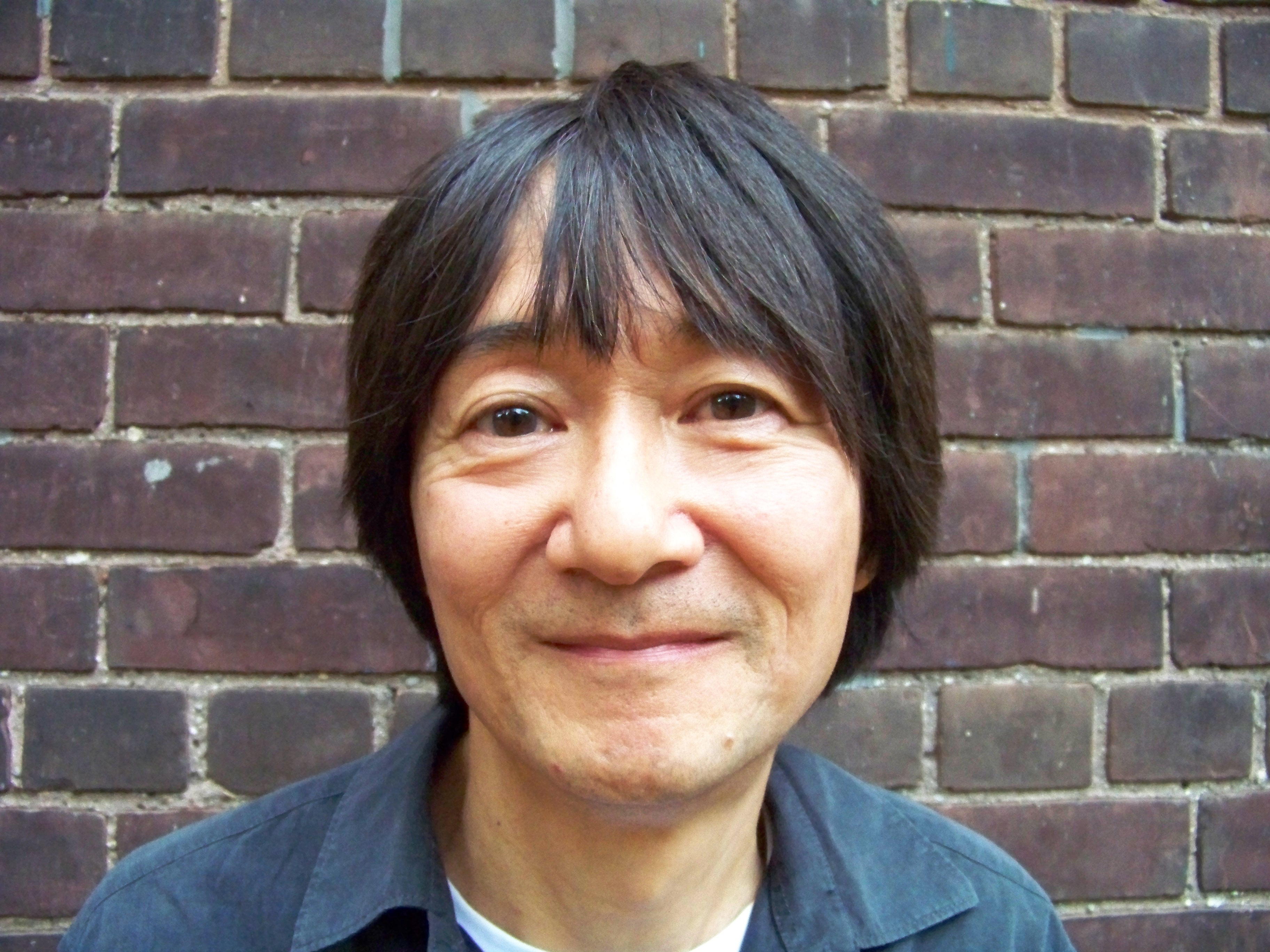
Meeting Kevin Irie was a pleasure.  We chatted about poetry, books, and life.

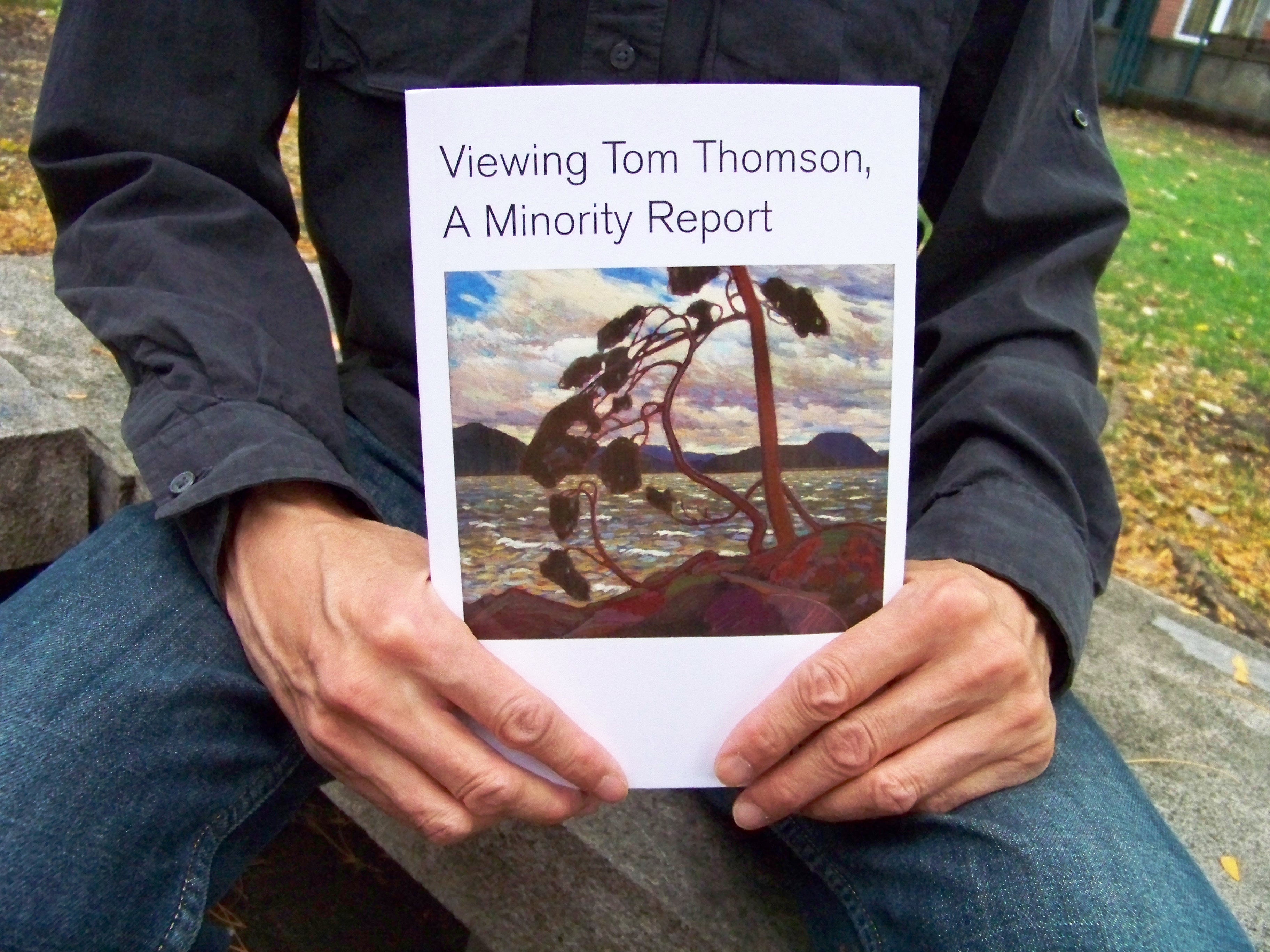
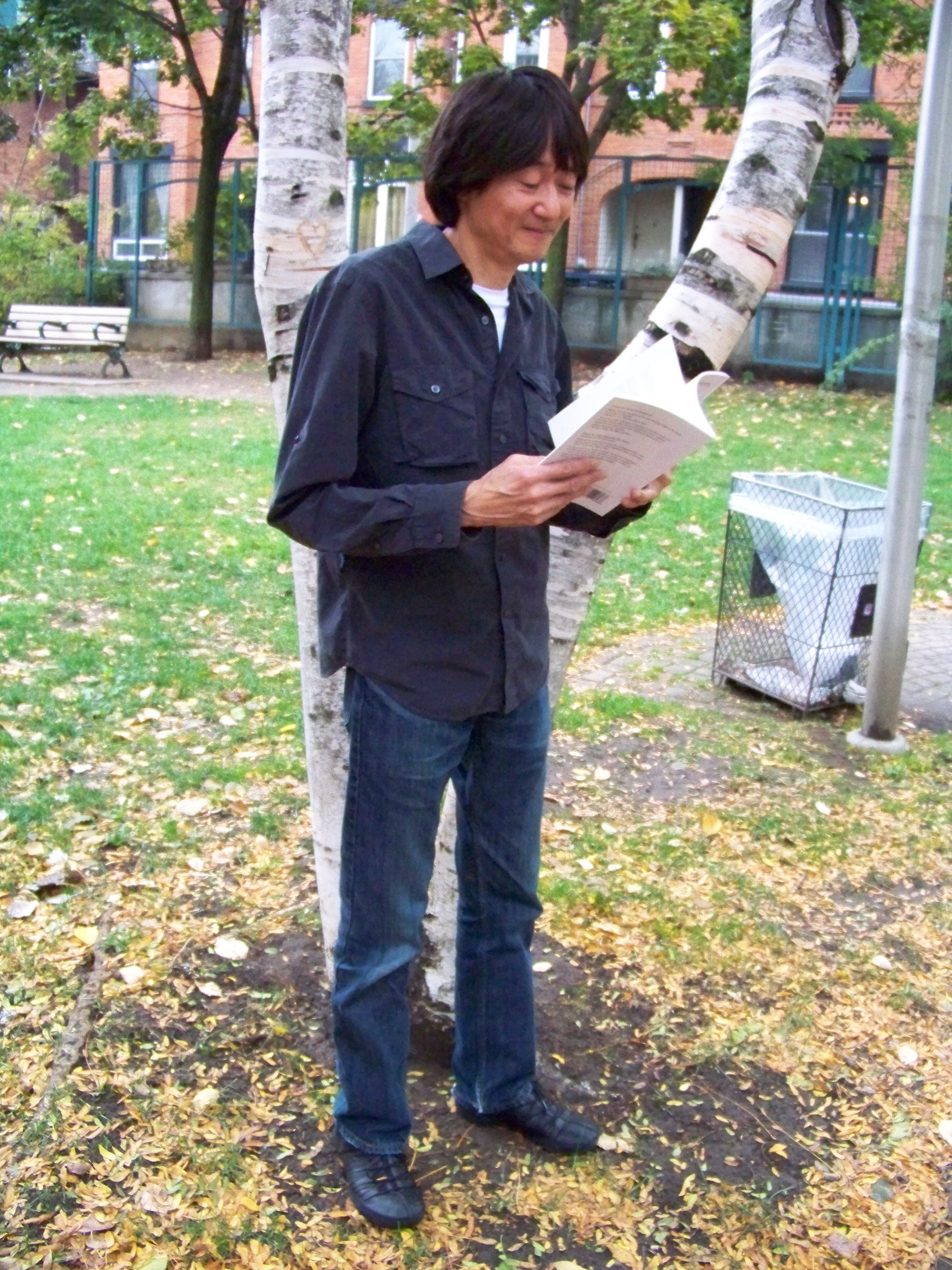
Hearing Irie read just adds to the enjoyment of flipping through the pages of his new book Viewing Tom Thomson, A Minority Report.

Interviewing Irie for blackcoffeepoet.com added much insight into why Irie writes what he writes and how he writes.

Enjoy, SHARE, Tweet, and comment on Kevin Irie reading a poem for Canadian icon Tom Thomson:

Subscribe to the Black Coffee Poet YOUTUBE Channel: 136 videos: 

Poetry, song, interviews, VLOGs, workshops, readings and roundtables.

Posted in Uncategorized | Tagged , , , , , , , , | Leave a comment

INTERVIEW WITH KEVIN IRIE

Kevin Irie is a third-generation Japanese-Canadian.  His poetry has been published across North America, Europe, Japan, and Australia, and it has been broadcast on CBC Radio. 

Irie is the author of five books: Viewing Tom Thomson, A Minority Report, Burning The Dead, The Colour of Eden, a finalist for the City of Toronto Book Award, Dinner at Madonna’s, and Angel Blood: The Tess Poems.

Irie won 1st prize Rice Paper’s 2000 poetry competition and was also a finalist in the CBC Literary Award in Poetry, 2008.

BCP: How did you come to be a poet?

KI: I always loved poetry since childhood, listening to rhymes and the play of words and it followed from there. Something from my childhood that I never outgrew. Poetry is equally appealing to adults as well as children though the exact kind may vary.

BCP: Do you have a specific writing regimen?

KI: I try to write on a regular basis but often this does not mean I produce something that is satisfying. A lot of the time it is bits and pieces, a few times it is a poetic and rarely, something completely satisfying comes from the first draft. The standard reply is to say write every day but if you can’t, then write when you can–and read what others are writing.

BCP: Which writers have been the biggest influence on you?

KI: There are so many when it comes to poets. An “A to”Z” list would start with Yehuda Amichai, Margaret Atwood, George Amabile, then on to Tim Bowling, Stephanie Bolster, etc. all the way through “W” with Charles Wright and Christian Wiman and ending at “Z” with Zagajewski and Zieroth.

BCP: Please explain the title of your newest book Viewing Tom Thomson, A Minority Report.

KI: Technically, a minority report is usually seen as an alternate view or dissenting voice when presenting some larger report agreed upon by the majority. The title plays upon that with its many possibilities–racial minority, urban minority versus rural, generational, even geographical (in Ontario, Thomson is celebrated as painting the Canadian “north” even though Algonquin Park, the site of many of his famous works, is further south than most provincial capitals in Canada). However, I must say that no matter how one may try to subvert Thomson as an icon, or representative of some established power, he is still an incredible painter.

BCP: Your latest collection is based on the art and life of Tom Thomson.  Was this something you wanted to do for a while? How did the idea come about?

KI: Being born and raised in Ontario, Tom Thomson was part of my life over the years. His paintings hung in banks, school hallways, waiting rooms, and were even on postage stamps. A calendar of Thomson was always a regular in stores during Christmas. He was so much part of my life that I did not even consider him a subject until one day, I just started writing about him and found that was he my subject.

BCP: With this new book being so focused on another persons’s art was this collection more difficult to write than your previous books?

KI: Oddly enough, once Thomson became my subject, I found it easier to focus on writing poems. It is just a matter of finding the subject and then the writing comes more easily since you know where you want to go.

BCP: Many of the poems in Viewing Tom Thomson, A Minority Report are about Toronto. Your third book, Dinner at Madonna’s, also focuses a lot on Toronto. What is it about Toronto, your home city, that keeps you writing about it?

KI: Toronto is a multicultural city that is constantly evolving and changing. Part of my poetry is to try and capture that in words. Demographics change, streets are altered, neighbourhoods change so that a park like Trinity Bellwoods, once considered unsafe, is now celebrated as a gathering place, or an abandoned old quarry hidden beyond a rusty fence at the bottom of a hill in Rosedale becomes The Brickworks environmental centre. A poem becomes a lens where words can still focus on what is no longer seen. And this applies to any city, town or place.

BCP: Your poem “Petawawa 1” ends with a beautiful line: “art’s brush against history’s pen”. Can you elaborate on this last line? Is your pen re-writing history’s ill brush strokes?

KI: The line is open to interpretation. Perhaps it is art creating beauty in a place where history’s pen records the internment of Canadian minorities, or even the idea of the internment camp being a literal pen, holding people captive, and how does one reconcile the beauty implicit in art “brushing” against that sullen fact?

BCP: Name a book that you go back to often.

KI: Too many to mention. I am reluctant to choose favourites though… (see below)

BCP: What are you reading now?

KI: Right now I am reading new poetry books from Canada, Great Britain and the States. On the homefront, I am reading The Lease by Mathew Henderson, Undark by Sandy Pool, All Souls’ by Rhea Tregebov, Natural Capital by Jason Heroux, and Probably Inevitable by Matthew Tierney. All are wonderful books that reward multiple re-readings and which I will no doubt go back to often. From Great Britain, I have just finished Memorial by Alice Oswald and Bee Journal by Sean Borodale, and from the States, I have read Alien VS Predator by Michael Robbins and Place by Jorie Graham, which I think is one of her best.

BCP: What are you working on now?

KI: Right now, I am writing poems, stray lines, keeping up practice when I can. For me, part of the craft is waiting until you find that vein of inspiration, and having the patience to wait, and the faith in knowing it will come, probably when you do not expect it or from a source you did not consider previously.

BCP: Last time I saw you was at a small bookstore. Do you prefer small bookstores over big chain bookstores?

KI: Small bookstores, like Book City in Toronto or Paragraphe in Montreal, are definitely my favourite though admittedly, I am fond of any bookstore that maintains a stock of contemporary poetry. I am still drawn to the actual physical book as a crafted object of beauty, which many small press Canadian poetry books are.

BCP: What advice do you have for poets who write about art or their home city?

KI: Write about what haunts you, what stirs you or even unsettles you. Everyone has a personal reaction to art, just as everyone shares an individual perspective on their city. It is a matter of finding it. As Annie Dillard wrote in The Writing Life, “A writer looking for subjects inquires not after what he loves best, but after what he alone loves at all.”

Tune into BlackCoffeePoet Friday November 9, 2012 for a video of Kevin Irie reading a poem from his book “Viewing Tom Thomson, A Minority Report.”

Posted in Uncategorized | Tagged , , , , , , , , , | 1 Comment

VIEWING TOM THOMSON, A MINORITY REPORT

Viewing Tom Thomson, A Minority Report

By Kevin Irie

Reviewed by Jorge Antonio Vallejos

I remember being in Guadalajara, Mexico staring at El Abrazo by Jorge Gonzalez Camarena and being in awe.  Thoughts rushed into my head and later flowed from my hands into my laptop. 

Visual art led to written art.

Toronto poet Kevin Irie has done the same in a much longer form: Viewing Tom Thomson, A Minority Report.  Poem after poem are thoughts on Thomson’s work in relation to Irie’s life and Canadian culture.

As someone who appreciates art but has no real knowledge of it, Irie’s poems were intimidating at first and a pleasure to read by every poem’s end.

“Who is Tom Thomson?” I asked myself before reading Irie’s newest collection.  I didn’t get a complete answer as much as I got to see Thomson’s work through Irie’s eyes.

The title poem starts with a quote by the late, great poet Adrienne Rich:

When I look at that wall I shall think of you

and of what you did not paint there.

And so, the journey begins.

Viewing Tom Thomson is a numbered poem chopped into sixteen parts.  It could be its own chapbook.  And it could, and should, definitely be studied by poets looking to learn how to write long poems with disciplined focus.

Clever lines, beautiful lines, and great use of metaphor have you put down Irie’s book to think, appreciate, and smile at the thoughts and images he brings you. Irie’s politics come through in every section: 

His critique of the elite and their land grabbing for cottage country:

three million dwellers in Toronto alone,

imagine

if each had a summer cottage.

Consumerism and its bastardization of art; in this case, Thomson’s art:

Each year:

                        a Thomson calendar for kitchens.

Your wilderness hangs like shot game on a wall.

Art as an afterthought:

Mouse pads, magnets, key chains tags.  Thomson, your trees lie splintered and hacked.  Tracts of forest for corporate profit.

Irie doesn’t just get political.  He points to the power of art and where it can take you while showing you that there is not one way, or ‘right way’, to view something.  Irie points to Canadians who’ve never trekked north being able to go there via Thomson’s art.  The poet also writes of global citizens viewing Thomson’s work and seeing their homelands in it.  Irie sums all this up with a gorgeous line:

The brush interprets

a hundred tongues.

Thomson was white and he painted in the late 1800s/early 1900s.  Irie writes of no one knowing how he died and describes him as a martyr.  But I’m left confused with Irie’s short exploration of race in relation to Thomson and Canadian culture. 

Irie writes of Thomson being “painted with privilege” because he was white.  True.  That’s a truth that stands today, long after Thomson has died.  And he points to the whiteness of Canadian culture and who it chooses to highlight and paint as heroes: “Better the martyr be male, Caucasian.” 

This brings to mind the title of the book being a “minority” report.  With Irie being a man of colour who is the writer of this collection, is he the minority writing the report?

Irie critiques Thomson being labeled a “dead white male” who is the descendant of oppression.  “Joking?” asks Irie.  The poet follows by bringing in analogies of gender and different races to back his question/statement.  They don’t add up.  Irie asks:

What have you done to earn my contempt

but made me acknowledge the ones who hold power?

Thomson may have been a great critic of power, and the hands that hold power, but he would not have been able to do so, and be taken seriously, if he was a person of colour or if he was a woman in that time period.

Maybe Irie is a minority in Canada in his ability to spot a Thomson painting quickly? Maybe he’s a minority in terms of remembering and appreciating Thomson on a daily basis, or enough to write a collection of poems about him?  Maybe Irie is a minority in the way that he sees Thomson’s art when he’s in nature whereas most people see nature via Thomson’s art?

Irie touches upon many aspects of life via his poetry:

An artist’s craft

Confidence

Knowledge keepers

History as lesson

Friendship

Old age

Irie has lines that will have me open his book again and again:

  1. what dominates first will be trampled tomorrow
  2. culture is poorly provisioned to provide politics with a winning vote
  3. your mind somewhere other than inside your thoughts
  4. childhood is a cancelled account, the future comes financed by uncertain age
  5. art’s brush against history’s pen

If Tom Thomson takes you to Canada’s north, Kevin Irie takes you to Petawawa, Toronto, many rivers and lakes, snowfalls and snowstorms, ravines and art gallerys, the violence of seasons, and a search into your own life. 

I read Viewing Tom Thomson, A Minority Report in one sitting.  I took notes, paused, sighed in relief, smiled, became a little jealous, re-read lines and poems in reverence, and gave thanks. 

While writing this review I thought of how I will re-read Irie’s book many times throughout my life, and I remembered his last line in the title poem:

Searching for what is there, and not there,

the eye takes in what art leaves out.

Tune into BlackCoffeePoet.com Wednesday November 7, 2012 for an inclusive interview with Kevin Irie.

Posted in Uncategorized | Tagged , , , , , , , | 2 Comments

MONTREAL POET KATHARINE BEEMAN READS “QUIVER”

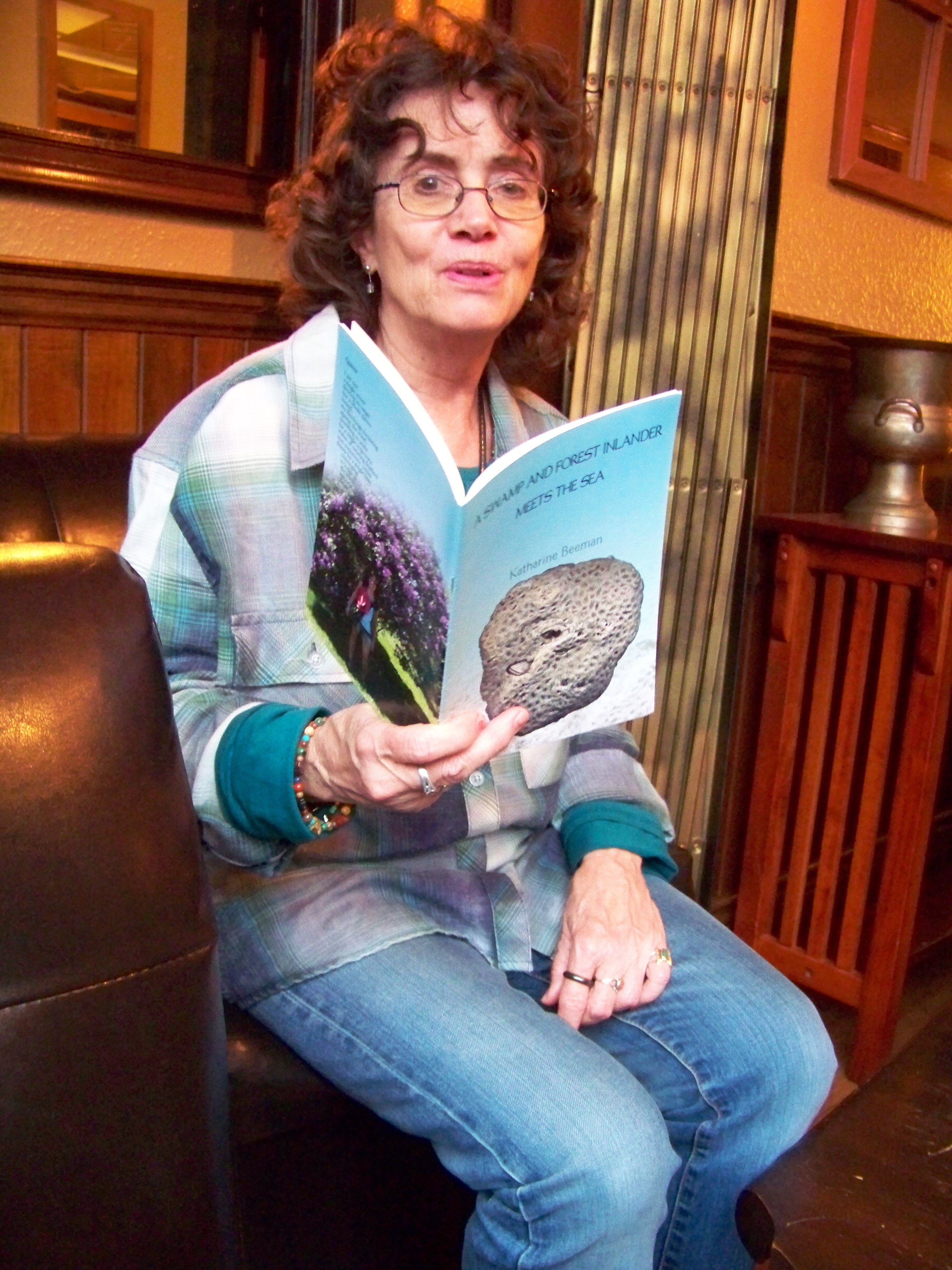
Meeting Katharine Beeman at the International Festival of Poetry of Resistance #4 in Toronto was cool.  Seeing her perform was even cooler.  Beeman reads with excitement and heart.  She moves from side to side, raises and lowers her voice, and once your attention is grabbed she holds it from the time she starts until she finishes.

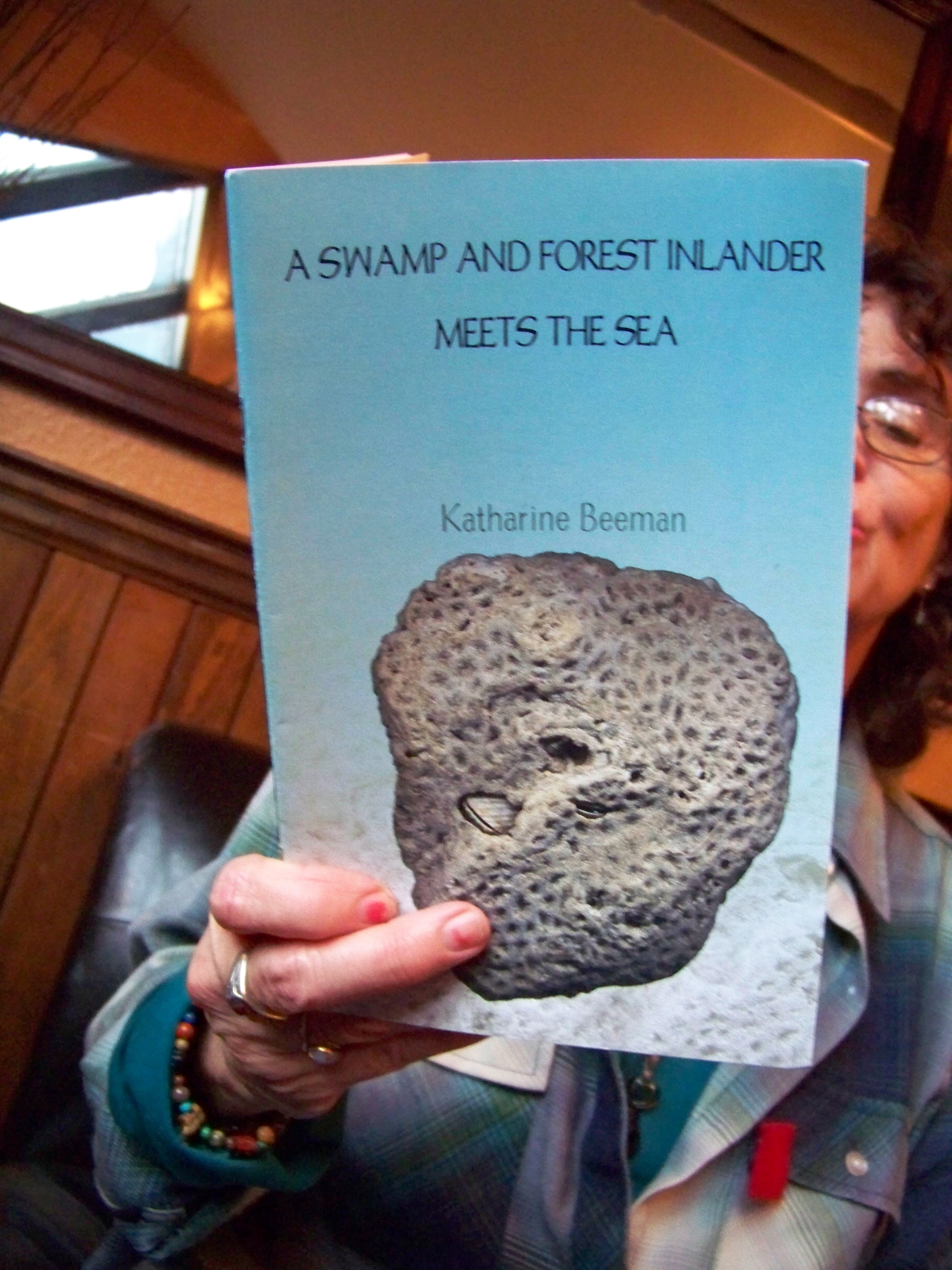
Beeman’s chapbook A Swamp and Forest Inlander Meets The Sea is awesome.  Her interview with me was just as awesome.

Watch, SHARE, and enjoy Katharine Beeman read her poem Quiver.

Subscribe to the Black Coffee Poet YOUTUBE Channel: 135 videos:

poetry, song, interviews, VLOGs, workshops, readings and roundtables.

Posted in Uncategorized | Tagged , , , , , , , , | Leave a comment

INTERVIEW WITH MONTREAL POET KATHARINE BEEMAN

Katharine Beeman is a Montreal poet, translator, and activist.  

Beeman is the writer of the chapbooks A Swamp And Forest Inlander Meets The Sea and Direct and Devious Ways.  Her poetry has been featured in many magazines and poetry anthologies.

Beeman has read at International Poetry Festivals in Montreal, Trois-Rivieres, Havana, and most recently the International Festival of Poetry of Resistance Festival #4 in Toronto.

BCP: Why poetry?

KB: Because the only character I have in my head is me. Unlike novelists or story writers I don’t have other characters clamoring to be heard. I’ve tried to write short stories and I can begin but after that their “atomic structure,” which is how I see I in my head, escapes me. When I experience something in life, the way I can express it to others, which hopefully touches something in their experience, is by writing a poem.

BCP: What is your process?

KB: It can start with a visual image, a turn of phrase that comes into my head or is picked up in the street or an idea I want to express. My first version is almost always handwritten or scribbled on whatever piece of paper is handy. I keep pencils and fountain pens by every chair in the house, and with me, of course. If it’s really scribbly and the whole poem doesn’t flow immediately, I usually transfer it to my book of “field notes,” a term that comes from my archeological experiences, to work on later. The second and later versions I usually do on the computer. I revise a lot, many times. I participate in a writers’ group we call Le salon rouge-la sala roja-the red saloon, and I use a lot of the suggestions made by others. I like working collectively. Also, the poem has to look right on the page and sound right, so the final version comes after I’ve read it aloud to myself or others. I finished a poem this year that I started in 1983…

BCP: Do you have a favorite book that inspired you to be a writer?

KB: I think it was the startling event of discovering I could read that started me writing. I didn’t learn to read until I was 8 because it never occurred to me I could, adults read, not children. Then one bedtime my mother said why don’t you try, maybe you can now. And I read the book right through and wanted to start on all the others. Soon after, I wrote my first poem and a few stories. Then at 17, it was Walt Whitman’s “Song of Myself,” and Erich Fromm’s The Art of Loving that really influenced me. And I’d have to add Ernest Hemingway, later John Berger, Carolyn Forché, Milton Acorn…

BCP: There is a big First Nations influence in your poetry.  How did that come to be?


KB: From inside, since the 1980’s, as little by little I realized how much First Nations’ inheritance I’d grown up with and was surrounded by without anybody ever voicing it, the drum my paternal grandmother made and gave me, the path to the Potowatami brickyard that ran along my other grandparents’ front yard and had a mysterious feel to it. And then my great-grandfather, who had disappeared and was found dying of tuberculous in a jail, long before I was born, came and danced through me, that is he danced in my body, at a powwow and that evening the poem expressing that basically wrote itself.

BCP: Many of your poems are in solidarity with Cuba and it’s revolutionary heroes.  Why do you feel such a strong connection to Cuba and it’s revolutionary past?

KB: Because its revolutionary past is so deep and so ongoing, and encompasses both the individual’s personal responsibility – and capacity –to both fully become themselves and participate, in José Martí’s words, “with all for the good of all.” Or as I say in another poem, it’s a place of infinite possibility, offered to the world to take up:

where everything is done
with small cups of hot black coffee
and never an expected time
but always getting there
always getting there
country of endless questions
it’s ok to ask
as are dreams
not an answer but a possibility,
a  direction, a path.

BCP: Love is a big theme in your chapbook A Swamp and Forest Inlander Meets The Sea.  Can you tell us about how your love poems came about?

KB: By being in love, of course. And wanting the beloved to be a participant, reflected, in the woof and warp of who I am, of my work. And I think it matters not so much or not only who the beloved is – but the feeling, the process of love and respect one feels and shares. 

BCP: Why did you name your chapbook A Swamp and Forest Inlander Meets The Sea?

KB: Because I’ve grown up and always lived in what I think of as the middle of the north of North America, where nature’s rooms are small, her tree walls only allowing small glimpses of sky, maybe one star, and though I live on an island (Montreal) and have been on her Great Lakes, they have a feeling of shore about them. It took me several years of visiting the sea before I could get a handle on her, a glimpse of understanding the relationship of land to water. Which actually, I want to do a whole series of poems on – having visited the Southwest where also the sky is huge, the relationship of land to water very sharp, but completely different than an island. Rivers, lakes, sea, are all water but feel differently. The closeness of the swamp and forest are what’s most familiar to me.

BCP: You recently read at the International Festival of Poetry of Resistance #4 in Toronto.  After the reading you commented on the small crowd of 15 people being a “decent crowd” for poetry.  Has this alway been the case?  Or have the numbers gone down over the years as poetry is not as popular as other genres?

KB: I haven’t counted up the participants over the 4 years of the Festival, but what I meant was it’s comfortable to read to 15 people, you feel appreciated but not overwhelmed. I actually think, from this Festival and others I’ve attended this year, that more people are reading their poetry in public. A session in an event may not be so large but there are more of them. Another thing I learned from Cubans, both singers and poets, is that even if there’s only a handful of people and you brought them yourself, perform as if it’s a crowd of 1000’s – this does honour to yourself, to them, to your work, and it’s enjoyable.

BCP: What are you reading now?

KB: I’m usually reading 4-5 different books. Right now, in poetry, it’s Milton Acorn, In a Springtime Instant, Selected Poems, edited by James Deahl. In Spanish, José María Heredia, La patria y la vida, by Leonardo Padura Fuentes, a Cuban author whose work I adore, and since I’m studying Reike and other traditional healing, books on meridians and acupressure points. For relaxation I read murder mysteries, not the bloody or violent ones, but those where there’s an emphasis on a time, a culture, a place, I want to learn more about – like the Brother Cadfael series in the 12th century –  and human relationships.

BCP: What advice do you have for young poets putting together a chapbook?

KB: Read lots of chapbooks and see what you like and don’t like, in terms of what you want to do with yours – how many poems, how they relate – are they a microcosm of the author’s work or variations on a theme, how are they organized? But also, how they look on the page, do you like the layout, the typeface, the spacing? Do you want to use drawings or photos? Even how the table of contents – if you want one – looks, is important. And the paper, for the cover and the pages. Because it is small, a chapbook should be a complete, perfect whole, like a crystal you can hold in your hand. I’ve seen ones published by mainstream presses that didn’t do this, and ones published in Word on xerox paper that did.

BCP: Thanks for your time.

KB: A pleasure!

Tune into Black Coffee Poet Friday November 2, 2012 for a video of Katharine Beeman reading her poetry.

Posted in Uncategorized | Tagged , , , , , , , , , | 5 Comments

A SWAMP AND FOREST INLANDER MEETS THE SEA

A Swamp And Forest Inlander Meets The Sea

By Katharine Beeman

Reviewed by Jorge Antonio Vallejos

Chapbooks are so overlooked in the publishing world.  Even poets these days usually bypass the chapbook stage and go straight for the gusto: a book.

But there is a special quality a chapbook has that a full collection often times does not have: focus.

Montreal poet Katharine Beeman writes in the introduction to A Swamp And Forest Inlander Meets The Sea, “This book, balancing over the abyss of a global economic crisis on the cusp of another world possible, of which Fidel Castro has already proved himself a first citizen, is a wavelet in the islands shores and establish the right to “life, liberty, and the pursuit of happiness (United States Declaration of Independence) for the people of both Cuba and the United States.””

I love that Beeman included an introduction!  It is rare for a full collection to have one, never mind a chapbook.

A Swamp Inlander Meets The Sea is a celebration of the great feats Fidel Castro and his crew accomplished via images of an island and it’s people that are loved and hated by many.  It’s also memories spread out in different pieces of Beeman’s thoughts on Cuba and her time there.  Beeman writes of land, sea, and water along with love, life, and revolution.

Twenty-three poems across twenty-six pages makes for a fast and entertaining read and re-read.  (You should see her live performances!  Most recently at International Festival of Poetry of Resistance #4.)   

Yearning In A Different Language is part of a running theme throughout Beeman’s chapbook: amor.  Feeling the freedom of intimacy via her long hair flowing down her back, her lover’s body representing the island she loves and its fight for autonomy, the merging of two different places via two different shades of skin, Beeman beams you to a high place via her images and openness. 

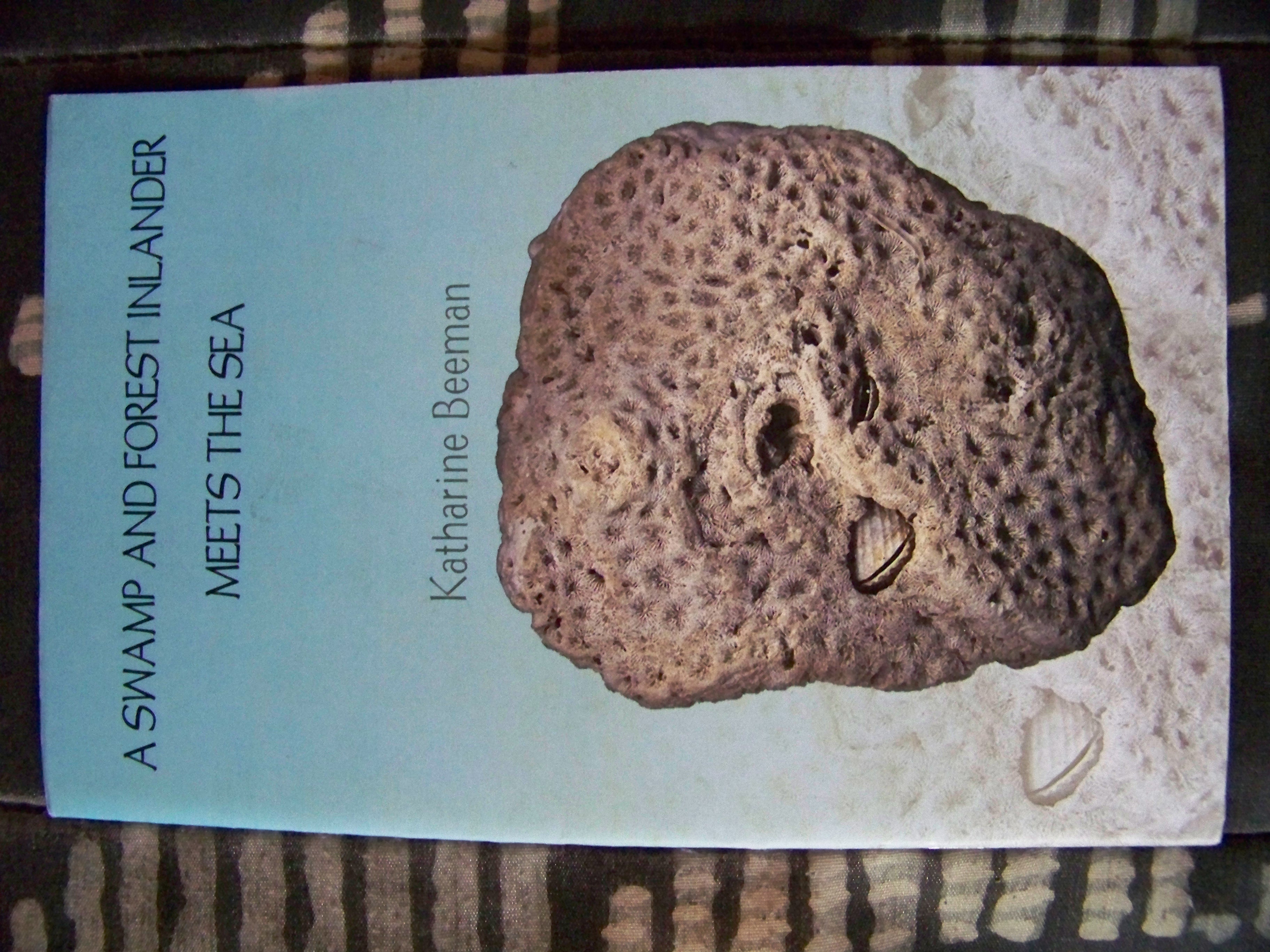
Water, our strongest force on Mother Earth, is another theme which Beeman uses to connect poems to peoples and peoples to land.  From the front cover showing a coral reef with clams stuck in it, to the “blue sea” mentioned in the above poem, to “moonlit swims” in her poem Truth, and an entire poem about skin submerged in water, Swimming, Beeman writes of this strong force in parallel to the strongest spiritual force: love.

Swimming from Canadian cold waters to the hot sun in Cuba, Beeman shares her imagination of reaching her lover via floating from Ontario to Varadero.  It’s funny how most of us have dreams of love that might embarrass us, so we keep quiet.  Beeman doesn’t care.  She lays her dreams out on the page.  In Swimming she yearns for her lover like she yearned in a different language.  She pictures him swimming his way to her and later she swimming to him.  Maybe they could meet halfway?  Maybe we all dream such dreams?  Maybe we’d be a better society if we did dream like Beeman and weren’t afraid to share our dreams with others? 

Beeman continues dreaming in Addendum, 2008, to Nicholas Guillen’s “Little Rock”:

Imagine it now, in 2008

in Iraq

in Colombia

in Afghanistan

in Palestine

in Iran

in..in…in…


even in New Orleans

imagine it now


Imagine it now

and

ask


ask those living

in all those Little Rocks,

what is their limit

how far will they let it go

before that great people

cries ENOUGH!

and forces the imperial foot

off their necks

and the neck of the world?

Imagine it now.

Beeman writes poems for Fidel Castro, Che Guevara, the Cuban 5, Cuba’s tanks, and her lover(s).  There is no confusion on what side Beeman stands.  She believes in revolution, love, energy, community, and power of the people.  The above poem shows her ability to connect global struggles and point out whose feet are leading the destructive paths that oppress many to benefit a select few. 

I agree with much of Beeman’s words.  My focus is not on Cuba or its revolutionaries.  My feet walk a different colonial reality.  But I respect the time and effort put into these poems, most of all I respect the transparency of Beeman’s voice.

Katharine Beeman is a word warrior who uses poetry as autobiography.  She is the swamp and forest inlander who meets the sea.  And thank Creator for that!  Maybe she’ll leave a legacy like the one she writes of so beautifully:

Legacy

One woman’s hands

a hundred children’s fists

pencils writing, rising

Tune into Black Coffee Poet Wednesday October 31, 2012 for an inclusive interview with Katharine Beeman. 

Posted in Uncategorized | Tagged , , , , , , , , | 3 Comments