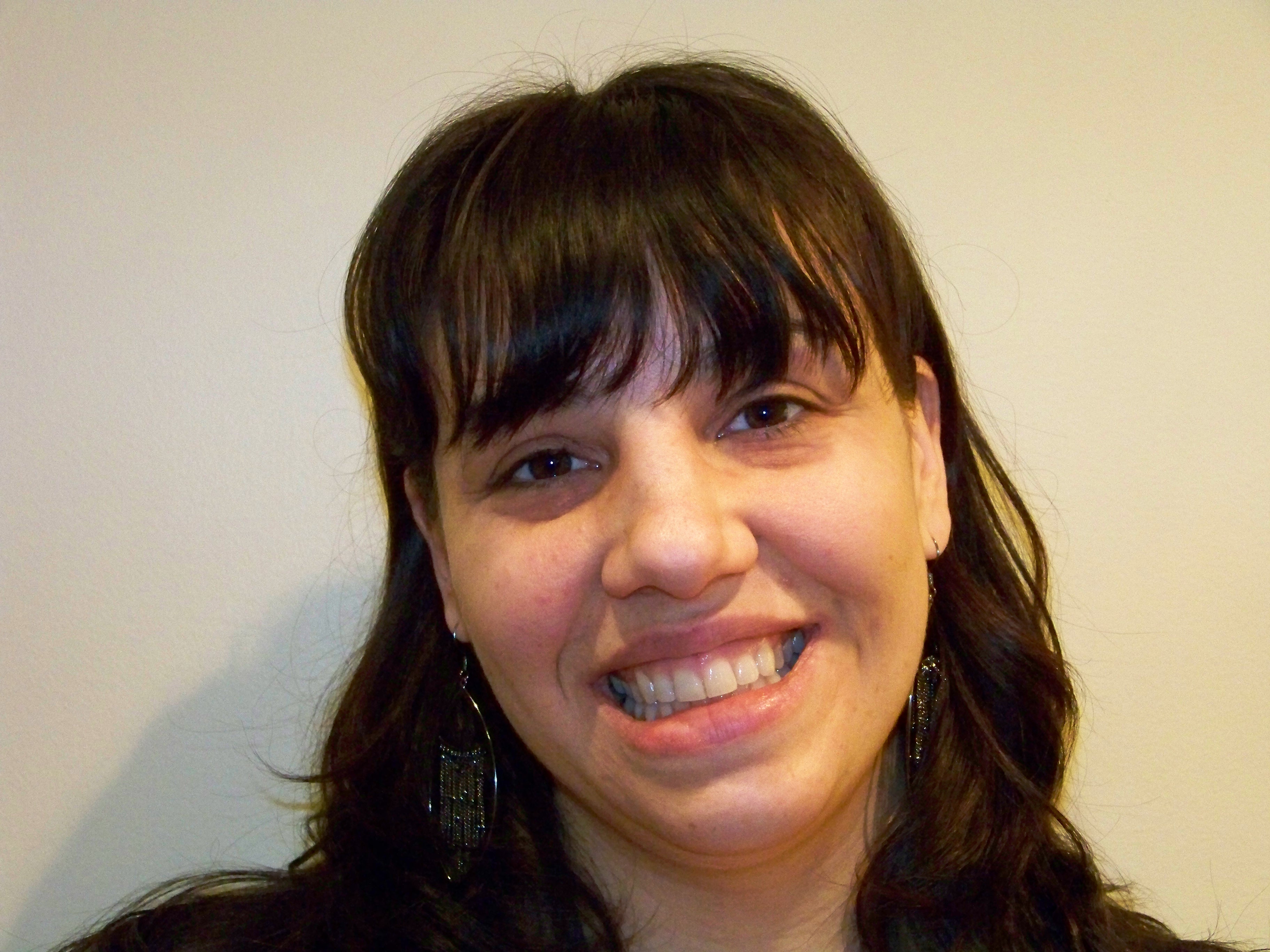
INTERVIEW WITH ITALIAN-CANADIAN FEMINIST POET SONIA DI PLACIDO

BCP: Why poetry?

SDP: Why any medium? I have always been drawn to written mediums that create a rhythmic dialogue between or among humans.  Communication, exploration of language, the senses and sentiment. I am a poet and playwright by nature also a narrative writer. Italian was also my first language and as a passionate, artistic personality I have always been drawn to poetic expressions since childhood.

BCP: What is your process?

SDP: I tend to write stream of conscious first or write according to sense upon getting inspiration. I am someone who tends to write lyric and uses a title as a reference point. Untitled poetry doesn’t always appeal to me. It is a bias but that’s how I work.

BCP: How long have you been writing poetry?

SDP: Over twenty years.

BCP: Who are your influences?

SDP: It started out with Renaissance English and Italian playwrights and poets as well as confessional female poets. Over the past ten years I’ve expanded my knowledge base substantially to include just about everyone. I tend to like the traditional pieces of the renaissance and romantic era: I’m a huge fan of John Keats, Patti Smith, Gwendolyn MacEwen, Dante, Shakespeare, Petrarch, Auden, Anne Sexton, Sylvia Plath. These were the earlier influences.

BCP: Is there a collection of poetry that you read over and over again? If so, which one and why?

SDP: Shakespeare’s sonnets. Gwendolyn MacEwen. John Keats. Dante. I tend to re-read these because they are truly spiritual and the lyric/music in the language  works for me.

BCP: Your poetry is emotional and honest. What do you try to convey to your readers?

SDP: Who I am. I try to convey something ethereal and mystical as well.

BCP: There are critiques of biblical events in your poetry? How and why did that come about?

SDP: I’ve always felt an innate desire to critique the bible as well as relive and retell it in my poetry as if I some part of my soul/spirit/person has been there. I like my work to transcend time and space to be both present and timeless.

BCP: The poetry in Vulva Magic is feminist based. Is a lot of your poetry like that?

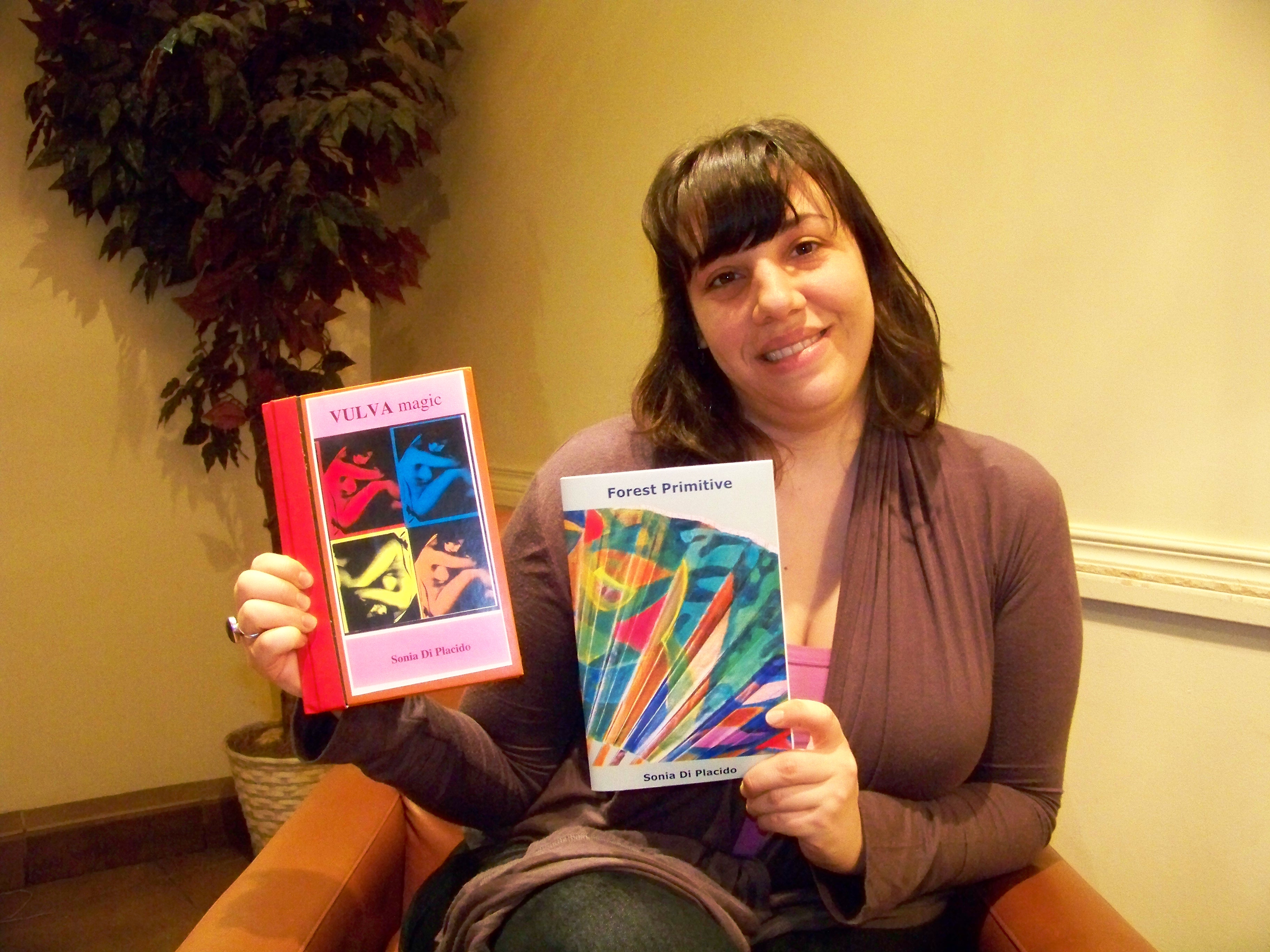
SDP: My poetry started out that way; it was most important for me at the time that I wrote Vulva Magic to reveal aspects of myself in relationship to my sexuality and my gender as well as this experience universally. I don’t believe one can write enough about sexuality, gender, one’s experience of it. In many ways Vulva Magic is anti-feminist as well. It reveals a lot about what it is to be locked into a ‘way’ or kind of communing through language and sense and sound. My poetry will always have some aspect of ‘feminism’ in it because I am female. However, I don’t see myself as only feminist. I see myself as containing multitudes.
BCP: Do you see poetry as a form of activism?

SDP: Yes, poetry can be interpreted or created or used to that means to an end.

BCP: You are currently doing an MFA in Creative Writing. Have you found that your poetry has improved since being in the program? Would you recommend that other poets do an MFA in Creative Writing?

SDP: I have always felt that as any sort of artist or writer, one requires three essential habits in order to excel:

1. The practice of writing regularly

2. A Consistent schedule for writing.

3. Consistent reading.

This is why I encourage MFA programs. Also, I believe you can equate the MFA forum of creative writing to a symposium of sorts where people can exchange thoughts and ideas. I believe this is important. It also fosters a community of writers to share, learn, grow, communicate and explore. This is also essential. Of course, anything that offers practice of the above improves one’s work as a writer, an artist or a poet.

BCP: There has been a recent bashings of MFA programs in The New Yorker, The London Times and other newspapers and magazines. One of the main critiques is “You can’t teach writing”. What do you think of that critique?

SDP: I agree with it. If one wants to learn, one’s motivation can lead to the expression of wondrous things. However, I also feel and believe it can be taught with good mentors, just as meditation can be taught. One’s voice cannot be taught; that comes naturally but creative writing professors/teachers can assist in the process towards a young or inexperienced poet/writer finding his/her innate self-expression. It’s kind of like peeling back the layers of an onion or the blooming of a lotus flower.
BCP: What are you working on now?

SDP: I am currently working with an editor for my first non-chap book of poetry that will be launched next year.

BCP: When do you expect to have your own collection of poetry published?

SDP: Between March and September of 2012.

BCP: What advice do you have for other writers out there who are having difficulties with their writing, or who have yet to see their work in print, or who are afraid to perform their poetry?

SDP: Keep going. Don’t stop. Take breaks. Be patient with yourself. Make sure you are doing it for yourself first and what it means to the self. There’s a lot of pressure to be part of a scene or fit into a style or a way/manner of expression in any medium, not just poetry; that’s not what being a poet or an artist, for that matter, is about. It should be fun but also spiritually fulfilling. To me, poetry assists with purpose and peaceful being.

Tune in to Black Coffee Poet March 25, 2011 for a video of Sonia Di Placido reading her poems.

Posted in Poetry | Tagged , , , , , , , , , , | 3 Comments

VULVA MAGIC

Vulva Magic

By Sonia Di Placido

Reviewed by Jorge Antonio Vallejos

Chapbooks are usually put together in low budget fashion by poets who are broke.  Ten to twelve pages are stapled together with several poems found in between the covers.  The poet usually gives thanks to people, lists their contact info, and then come the poems. 

Some poets get really fancy by putting in personal touches like painting designs and adding photos and sewing the pages together.  Some make a very small number of chapbooks for their fans—limited editions.  Many just slap paper together and get them out to the public at readings and book fairs.

Vulva Magic: A Selection of Poems by Sonia Di Placido is a hard cover, registered chapbook, that has beautiful pages accompanying the beautiful picture on the cover.  Red cloth envelopes the book’s spine while pictures of the author sitting naked grace the front. Put together by Lyricalmyrical, Vulva Magic catches your eye fast. 

The chapbooks first poem is the title poem: Vulva Magic.  Di Placido writes of female scribes who challenge the system.  Vulva Magic is that verse that questions the norm, that stands in patriarchy’s face and doesn’t back down.  Using word play and not mentioning words that you know are being hinted at, Vulva Magic is “a feline frenzy of feminine fairytales.” 

Di Placido can get erotic, “her fantasy dripping”, and she shows her strength:

“She has vulva magic in her hand

She’s got something sacred

within that vile gruesome grip.”

In Argentine Aria for Evita and hot air Di Placido writes of dirty Argentine politics and a heroine that is only popular in the south.  The poet exposes a government murder turned into a smokescreen by the murderers themselves.  Di Placido yells “Nunca Mas” alongside Argentine protestors and tells of the “body snatchers” who stole much more than Evita Peron’s life.  “The days are high on poverty and thin air” writes Di Placdio.  Talking of 1979, not much has changed.

In hallowed Eve Di Plaicdo chews up Adam like the apple he ate.  Like a fighter looking to land the first shot, Di Placido strikes hard in her fist line: “Knock your knees Adam”.  The verbal lashing continues throughout.  Calling man on their blaming of women, “I told you it was forbidden and you chewed it”, writes Di Placido.  The assault continues:

“Now you cannot forgive me forgive me

for giving you knowledge

offering the greatest test

of courage

knock your knees young boy

knock knees”

Vulva Magic is split in to three sections:

1) Existential Queens

2) The Eros Poems

3) New Age Romp

There are poems dedicated to heroines of our recent past, local poets like Pier Giorgio Di Cicco, and poems that stab at Western patriarchy and its foundation: the Bible.

Chapbooks don’t have many poems so there is little room for the poet to make an impression on the reader.  Vulva Magic hits hard; it’s a slap with a safe-word; all pleasure for the reader who receives the hit.  

Tune in to Black Coffee Poet Wednesday March 23, 2011 for an inclusive interview with Sonia Di Placdio.

Posted in Poetry | Tagged , , , , , , , , | Leave a comment

MYKELLE PACQUING PERFORMS HIS SPOKEN WORD POETRY

Mykelle Pacquing has been writing poems for a long time. Mykelle’s poetry speaks to his culture, respect for Mother Earth, and good willed nature.  A student of Aboriginal writer Lee Maracle, Mykelle incorporates teachings from his homeland, Indigenous peoples of Turtle Island (Canada), and all the books he has read.  Enjoy Mykelle’s spoken word poetry.

Posted in Poetry | Tagged , , , , | 1 Comment

INTERVIEW WITH PILIPINO POET MYKELLE PACQUING

Mykelle Pacquing was born and raised in Toronto and his ancestors are from Maharlika, the traditional name of the Philippines which means, “The Creator’s Land.”  Mykelle works with plants, the animals, his ancestors, and Indigenous folk from all over to work on his path of healing for himself and all his relations.

BCP: Why poetry?

MP: I walked away from my language, Tagalog, when I started elementary school.  I started to relearn it when I got to university and took in Indigenous teachings from my professors in the Aboriginal Studies program.  When I looked at my language with a fresh new perspective, it became clear to me that our modes of communication are rooted in the poetic form—it makes our lives beautiful. 

I think the loss of poetry in our everyday language is part of the colonization process—it cuts us off from our spirited voice.  Even English used to be a poetic language when you look at Shakespearean times.  Taking back the beauty that’s built into our Indigenous languages is part of our decolonizing and healing process.

BCP: What is your process?

MP: I believe that poetry/song come to you, not the other way around.  You can always mash words together and play with them, but you won’t really “feel” for those words if they’re not coming from somewhere connected to you or if they simply just don’t want to work with you.  Your intentions shape your poetic voice and so I call out with my intentions and wait for the words to come to me.

BCP: How long have you been writing poetry?

MP: In Grade 7 I was awarded first place with a hundred dollar prize at my local Royal Canadian Legion branch for a Remembrance Day contest.  I’ve never been awarded any money since then and I don’t even have any surviving copies of the poem!  When you’re at that age, I don’t think you realize the immensity of your achievements.

BCP: Who are your influences?

MP: Lee Maracle played a big role in helping me find my voice, that is, my voice that’s me, beneath all that colonization dumped on us.  The only way I could ever honor her is through the beauty and strength of my poetry.

Though once found, my voice is drawn from all my relatives, my ancestors, my teachers—all the good people with whom I share my roots with.

BCP: Your poetry is emotional, honest, and stimulating.  What do you try to convey to your listeners?

MP: What I try to convey in my poetry, in “My Flowering” in particular, is that beauty and strength can be found in our struggles in coming to terms with our place and identity.  I wanted to call out to those who have been displaced mentally, emotionally, physically or spiritually, whether in lived or intergenerational/ancestral experience, that they are not alone in their trauma, that we can all come together to a place of healing—no matter which nation you’re from.

BCP: For the last couple of years you have been working closely with Aboriginal writer Lee Maracle.  How has she helped you with your writing? 

MP: Lee is a very lovely medicine-lady who really knows how to make you push your emotional limits if you let her.  She knows how to make you feel like she dove her hands into your heart and ripped out the writhing pain and anguish that you’ve been carrying around there your whole life—only to make you realize that she just taught you how to do it yourself.

BCP: Does your spirituality play a part in your writing?

MP: My writing is an expression as well as a negotiation of my spirituality.  It would actually be more accurate to describe my expressive writing as a part of my spirituality, rather than my spirituality as a part of my writing.

BCP: Do you see poetry as a form of ceremony?

MP: I’ve been debating this with myself.  There are definitely poetic forms which are ceremony such as traditional storytelling like the ones found around Turtle Island and the epic songs found from Indigenous folk in Mindanao in the Philippines.  Then there are the Western canons of poetry that don’t have anything to do with ceremony and are more static—like paintings mounted on a wall.  I’m not sure where mine falls!

BCP: The poetry you have shared with me is earth based.  Is a lot of your poetry like that?

MP: The poetry that I have been recently and currently been working on is “earth-based.” This is because I have not been able to find happiness in materialist pursuits.  Studies keep saying that Fortune 500 folks aren’t that much happier than the rest of us.  Why? 

Granted, material stuff can be cool and fun, but there is a sharp limit to how that stuff can contribute to your beauty and strength, and once that limit is passed, it can actually take away from your beauty and strength.  I feel that not only has our society breached that limit and has become self-consuming, but that we have ignored our basic relationships that give us our beauty and strength—our relationships to Earth, Water, and Sky.  Not just Earth, Water, and Sky outside of us, but the earth, water and sky within us as it passes through each of our bodies whenever we engage in relationships with each other. My poetry helps me to be as conscious of those relationships as much as possible.

BCP: You used to run a radio show.  Did that help you with your writing or vice versa?

MP: It didn’t necessarily help with my expressive writing but it did play a major role in helping to shape and articulate my physical voice, that is, my voice projection and flow and style, but not my spiritual voice—the voice connected to my spirit.

BCP:  Years ago you to attended a writers group.  Why did you stop?  Would you consider starting again?  Would you advise attending writing groups to other writers?

MP: For me, writing has become a very much personal process and the writing group was interfering in this process, albeit, unintentionally; I unconsciously let them interfere in my process—which wasn’t a good thing—and so I left when I felt my writing wasn’t developing.

I think because writing is such a personal and sometimes alienating process, it would make sense to have writing groups to mitigate this isolation.  I now instead try to keep a balanced lifestyle to mitigate the isolation of the writing process, experiencing friends, family, and fun in large quantities so that when I’m alone in my writing process those experiences keep me warm and happy.

I wouldn’t advise for/against writing groups because it was a helpful experience in its own way in refining what does/doesn’t work with my writing process.

BCP:  You are currently the personal reader for a student at UofT.  Has reading out loud on a consistent basis helped you with your delivery of poetry and spoken word?

MP: I haven’t done enough spoken word since I became a personal reader to see an effect, but my spoken word experience certainly has provided for more entertaining reading sessions!

BCP: The piece you performed for blackcoffeepoet.com was all from memory.  What is your memorization process?

MP: Embodying my poetry/songs is half the memorization because I really am just expressing who I am, so I’m remembering my identity rather than words on paper.  The other half is articulating how I am translating it into words and making sure I know the process of how I’m going to do that.

BCP: What are you working on now?

MP: I’m working on expanding a short story into a novel.

BCP: When do you expect to have your own collection of poetry or spoken word CD published?

MP: That’s not something that I “aspire” to do in a sense; this is not what my intentions are for my songs/poetry—I’m not going out of my way to have my poetry published, but however I’m not against it either.  My poetry is first for my personal healing and healing for the people I love—not financial gain or maximum exposure.

BCP: What advice do you have for other writers out there who are having difficulties with their writing, or who have yet to see their work in print, or who are afraid to perform their poetry?

MP: Well I’ve only had one short story put in print so I’m not sure I’m qualified to give advice on that!  I also will always have difficulty with my writing, but living a balanced life enjoying Creation helps me get energized to write and express myself because ultimately it’s my experiences that give meaning to my writing and so my words draw from those experiences.

To those who are afraid to voice their poetry: if you truly want to be heard, you’ll find a way!  Like everything, it just takes a bit of practice… and cliff jumping!  Once you splash in the water you won’t even remember why you got scared in the first place and you’ll want to do it again!

Tune into Black Coffee Poet Friday March 18, 2011 for a video of Pilipino poet Mykelle Pacquing performing his spoken word poetry.

Posted in Poetry | Tagged , , , , , , , , , , , , , , , | Leave a comment

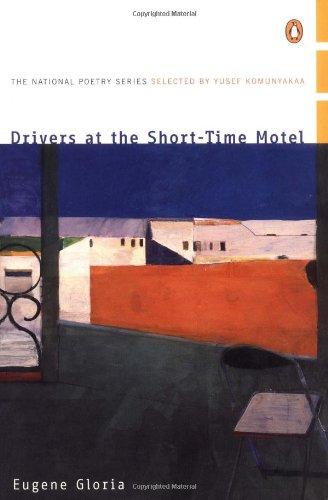
DRIVERS AT THE SHORT TIME MOTEL

Drivers At The Short-Time Motel

By Eugene Gloria

Reviewed By Jorge Antonio Vallejos

Have you ever read a book that you enjoyed immensely and that left you thinking how much further you need to go as a writer?  With many poems in Eugene Gloria’s Drivers at the Short Time Motel this writer realized how much more he needs to learn, improve, read, write, re-read, and re-write… 

Poets are called to submit to certain publications, write poems for special occasions, read at certain places, and give their opinion on certain topics.  Poets are also often killed when revolutions happen because they are the ones who speak out.  Gloria has much to say and has the talent and drive to express his views.  At the same time that he is in love with his Pilipino land and culture he is also very critical of them.  And his command of language and style bring his message further than your average writer who picks up a pen from time to time.

Like a good boxer Gloria pulls no punches.  He hits you hard with his first poem.  In Language is memory on the page; a language lesson during a love making session where he shares with this lover a teaching his grandmother gave him:

“every cultures worst enemy is it’s own people.” 

Gloria recalls his lovers hair, breasts, then “the moon, sea and stars”, and the most important lesson he’s ever learned.  Like the first punch to land in a fight, Gloria sets the tone for his sharp, short collection.  

Subic Bay, a one-page poem, floored this writer.  Images of American soldiers, army jeeps, third world vendors trying to make a buck, and as with all war started by white-imperialist regimes—the abuse of women of colour, this time a girl.   

Gloria starts Subic Bay with, “At 12, Lita acts Imeldific.”  Twelve!  Imeldific is a term coined to describe Pilipino women acting high class, imitating their former leader/thief/dictator Imelda Marcos.  In this one line Gloria shocks you, saddens you, and teaches you a new word associated with the harsh realities of his war torn country that has a ruling class living the teaching his grandmother taught him.

Descriptions of Lita’s hair, lips, and dance moves take you to the club she works at where sailors by cheap beer (and more) and watch Lita on stage.  Gloria has your heart sink with one line, again, when writing of the sailor in front of Lita:

“who will not recognize the hopscotch girl

at the elementary school by the *PX.”

Gloria ends the dramatic poem with:

“In a nightclub, Lita worries

about tomorrow’s lesson when

she must conjugate the verb

to be.” 

Gloria not only shows his high craft of poetry, he shows that he speaks out against the war on women and children in our dirty world.  Gloria shows you he is an ally to women.  He critiques the men who ‘fight’ for his freedom as a Pilipino American while critiquing the country of his origin for letting girls like Lita dance on stage in front of grown predators in uniform.  Subic Bay is a critique of Euro-American colonialism and the oppressed becoming the oppressor.  The Lita’s of the world act Imeldific, never reaching their desired state, while being used by colonial forces inside and outside of their homes. 

In The Maid Gloria looks inward at his own privilege.  His “polo shirt and penny loafers” show that he is part of the class that brings down his beloved country and lives off the backs of the girls like Lita.  While in a restaurant in Manila “where fresh air is as rare as tonic water” Gloria sees a “girl, no more than a child” order takeout for her employers.  Her “rubber slippers” contrast the “people clad in brighter church dresses and Sunday shoes.”  With less than one percent living like the cell phone carrying class (this was written in the 90s) Gloria wonders “would she vanish into a grain of salt among the nameless?”  

Gloria uses his art to touch upon issues that many people of colour like to ignore, one being skin privilege.  In places like Asia, the Carribean, and Latin America, the light skinned folks are the ‘pretty ones’.  Those that are not light skinned uses creams, makeup, and bleach to attain such status.  Gloria’s Milkfish explores this reality.

Bravely, Gloria writers of his mother:

“You were the pretty one at seventeen,

your skin, white as milkfish.

The pretty ones, you said,

Were always given more food.”

Gloria goes further:

“as a mestiza who equated liberation

with Hershey bars and grey nylons from American GIs—

and the season of the monsoon as dark as hunger

was not about suffering

but what you knew of beauty.”

Children of the ruling class are usually raised by those of the lower class who are low wage employees.  Gloria often writes of Conrado, the family driver.  There is a strong affection seen in the many poems that write of his father’s chauffer.  There is also the clear division of class: orders barked and followed.  To drive someone of Gloria’s father’s class is seen as a privilege in itself; still, you are no one in society and Elegy for No One is about this. 

When Conrado, driver for many years to the Gloria’s, passes on, he disappears like the grain of salt Gloria writes of in a previous poem.  “There was no vigil, no ceremony, no service,” writes Gloria.  And like the hard-hitting one-liners throughout the collection, Gloria ends with:

“no one to drive the car.” 

Drivers at the Short-Time Motel is a fast read.  But if you want to learn what poetry is and what it can do you’ll take your time with Gloria’s first collection. It is no surprise that Drviers at the Short-Time Motel earned Gloria a spot as part of the 1999 National Poetry Series.  Read and re-read Gloria’s words, digest them, meditate on them, write them out, and enjoy the ride he takes you on. 

*PX—retail stores on military bases     

Tune into Black Coffee Poet Wednesday March 16, 2011 for an interview with Pilipino Canadian poet/spoken word artist Mykelle Pacquing.

Posted in Poetry | Tagged , , , , , , , , , , , , | Leave a comment

CELEBRATING INTERNATIONAL WOMEN’S DAY 2011: SAVOY “KAPOW” HOWE OF TORONTO NEWSGIRLS BOXING CLUB READS POEMS FROM “Vs.” BY KERRY RYAN

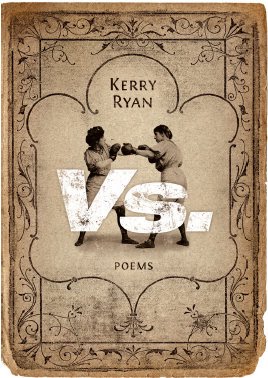
Kerry Ryan has written the (or one of the) first collection of poems focused on boxing: Vs. You feel like you’re in the gym with Ryan: throwing punches, getting hit, lifting the medicine ball.  Ryan has a way with words that makes you want to hit and get hit.  

Enjoy a short video of the fighters at Toronto Newsgirls Boxing Club acting out Ryan’s poems.

Tune into Black Coffee Poet Monday March 13, 2011 for a review of “Drivers at the Short Time Motel” by award winning Pilipino American poet Eugene Gloria.

Posted in Poetry | Tagged , , , , , , , | Leave a comment

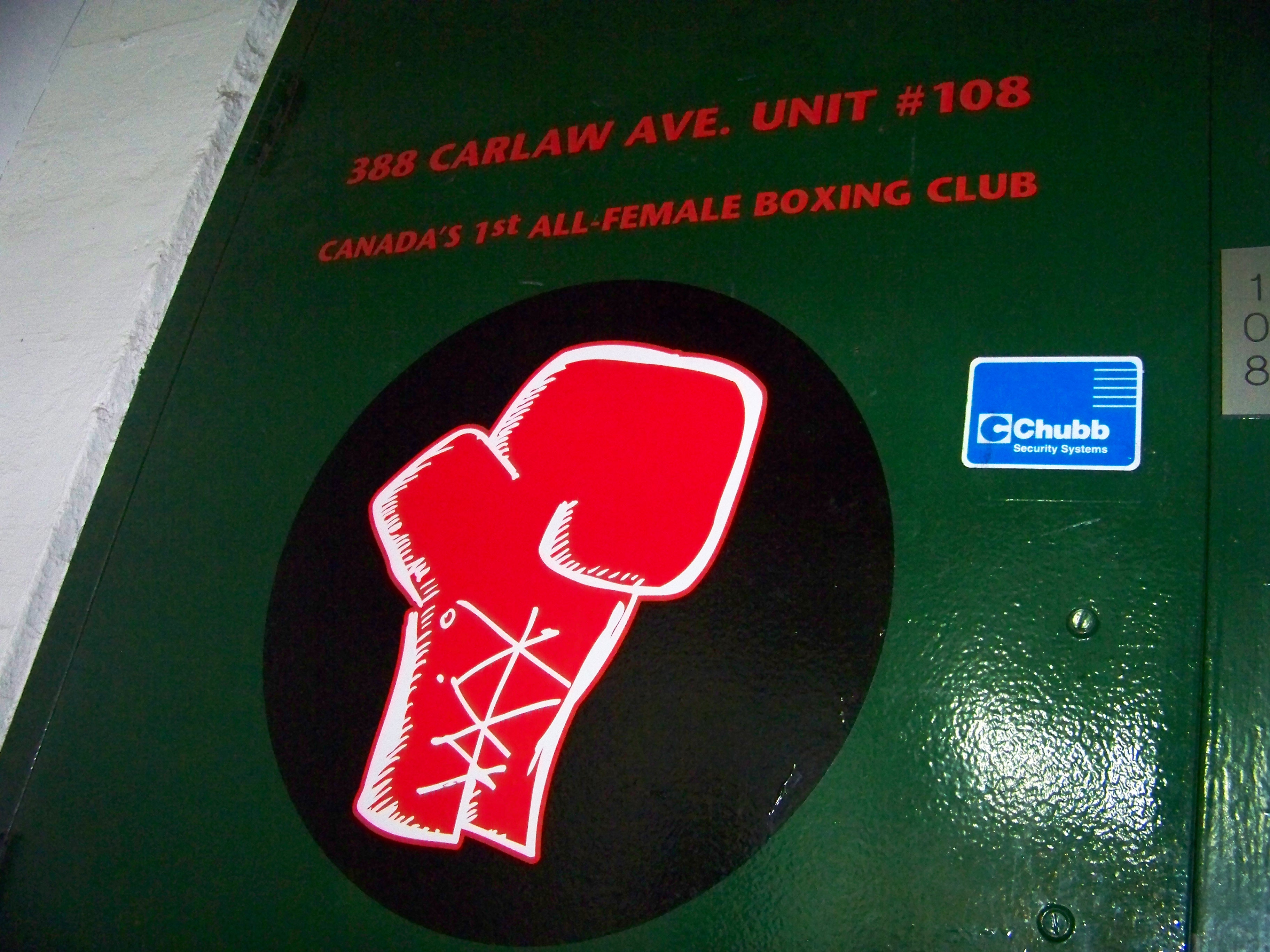
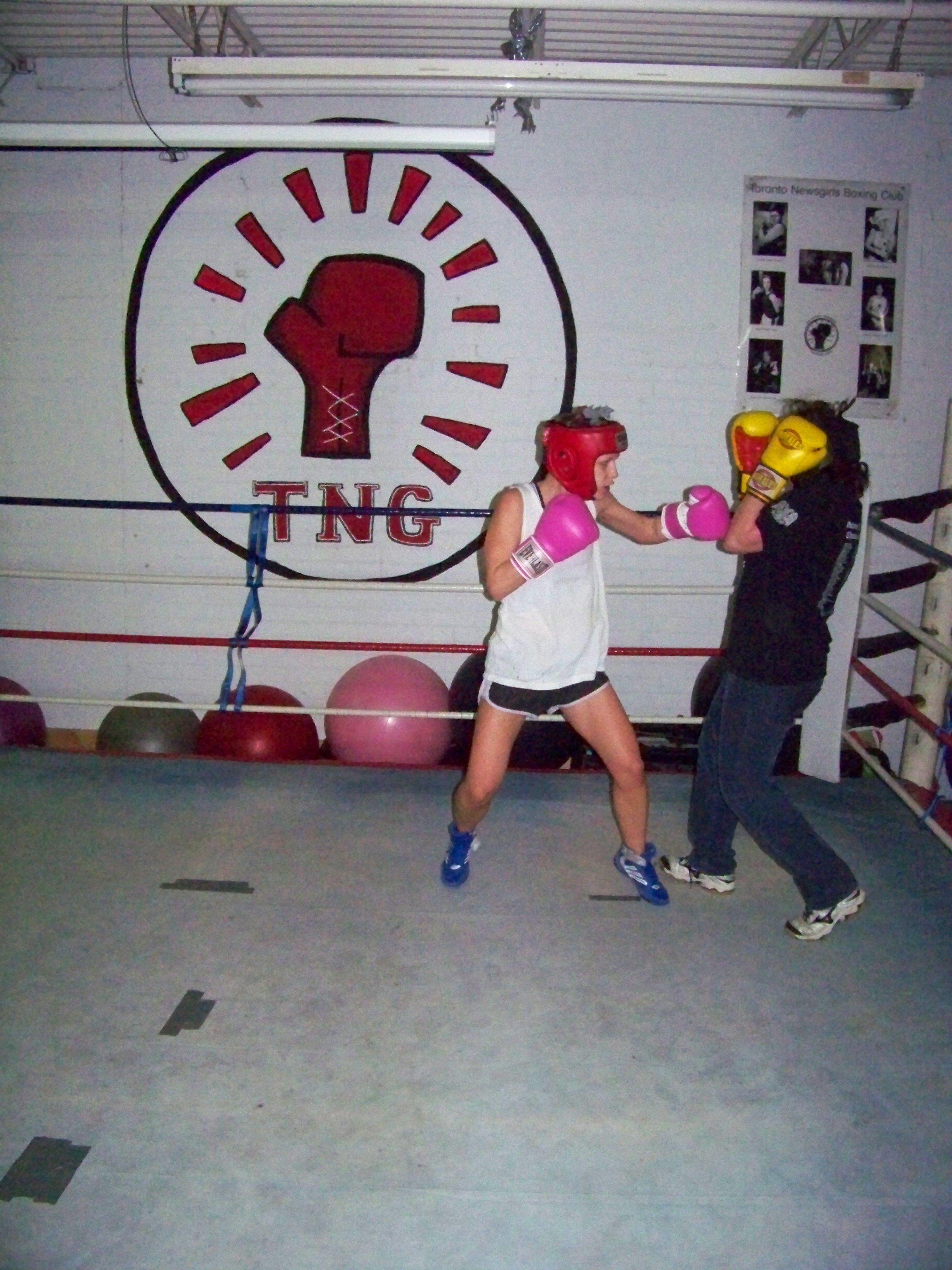
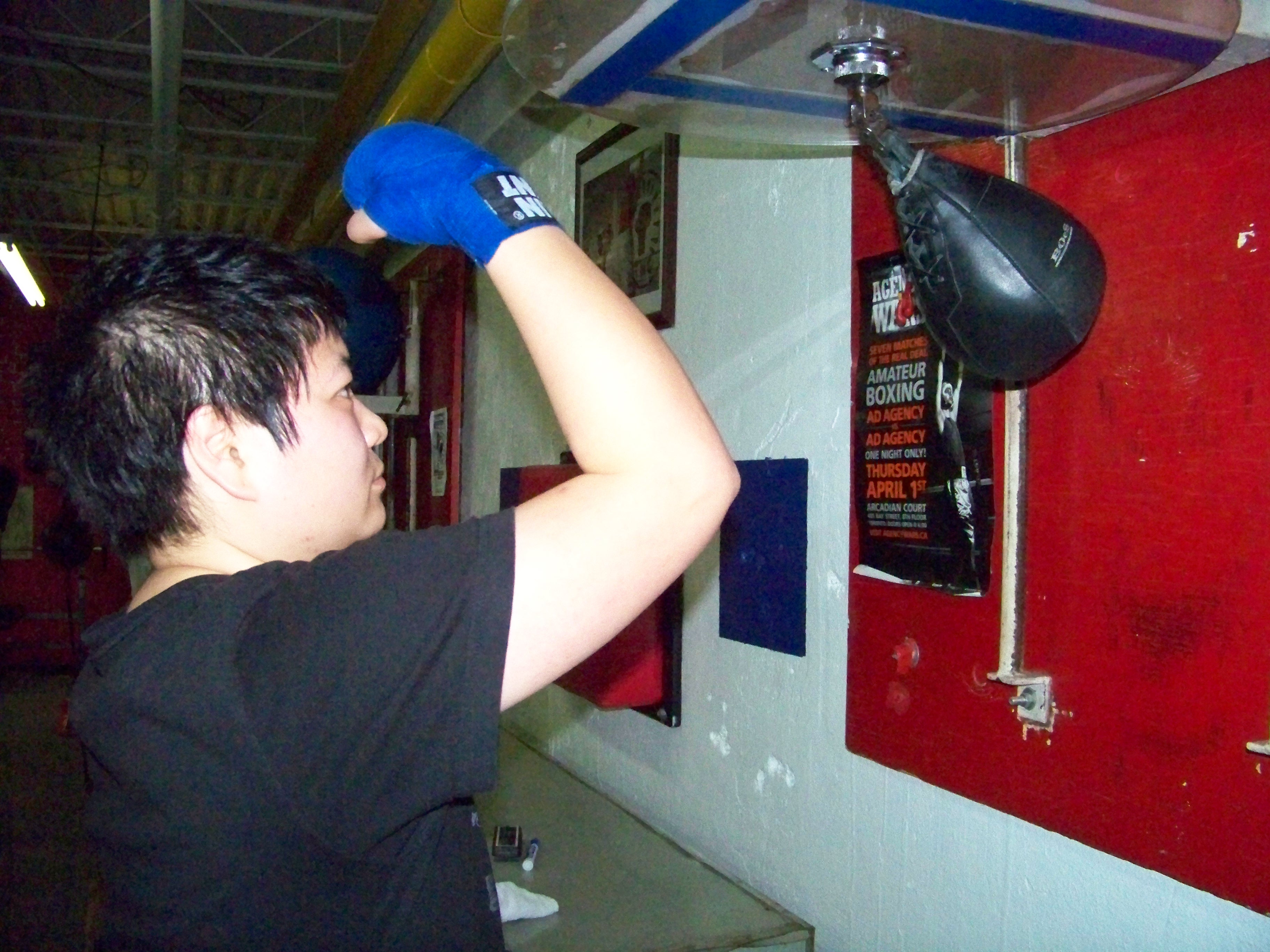
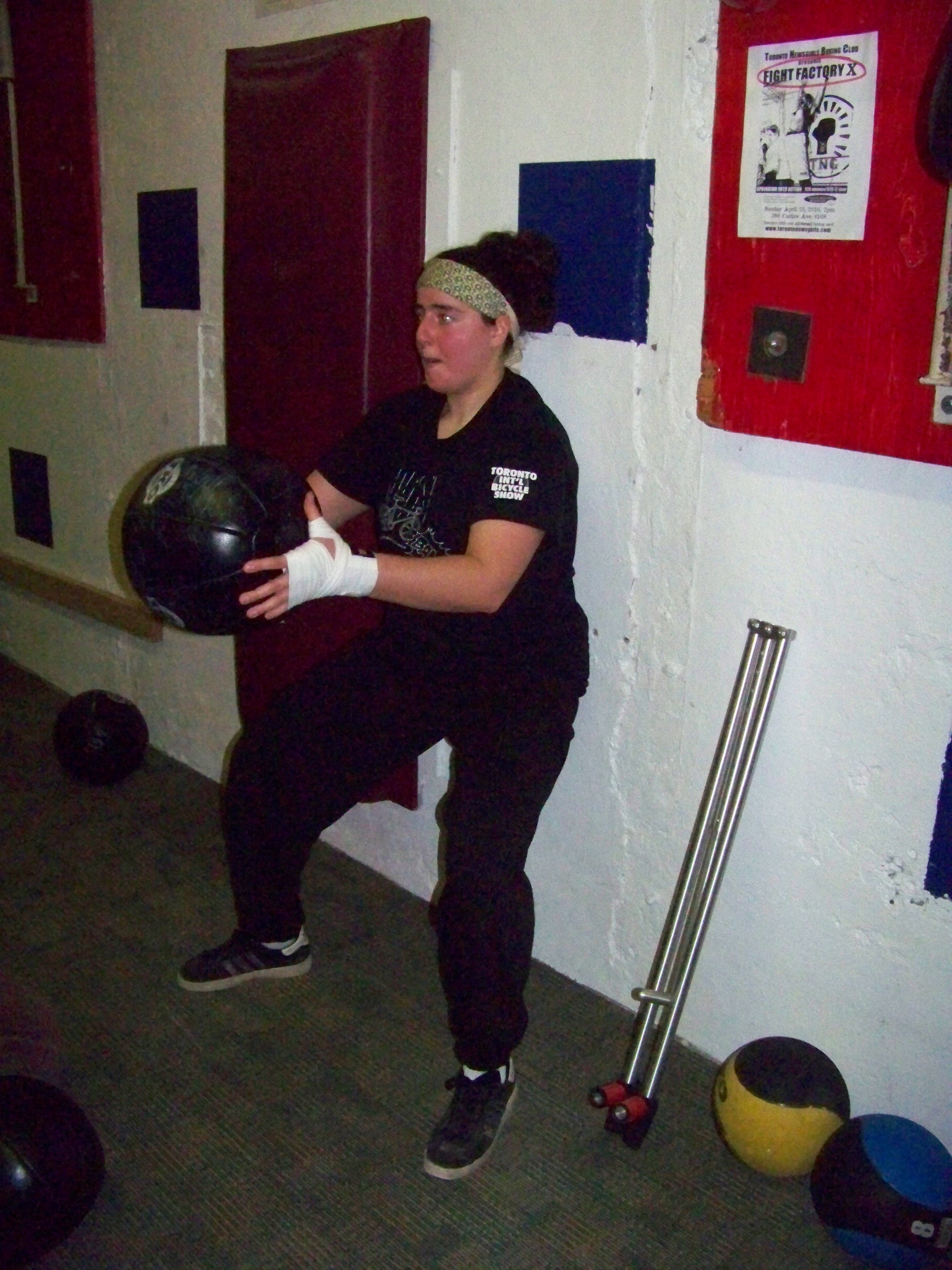
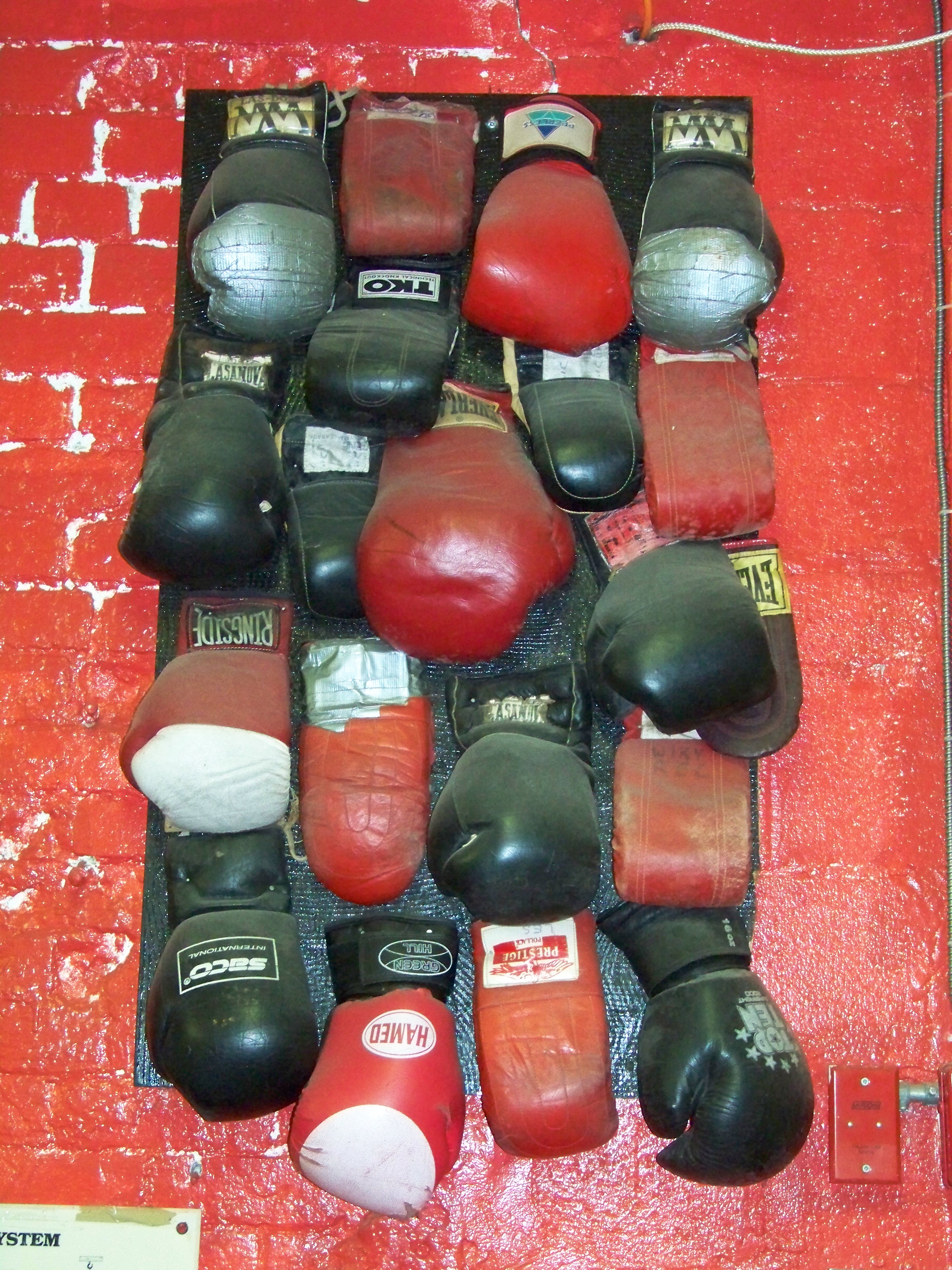
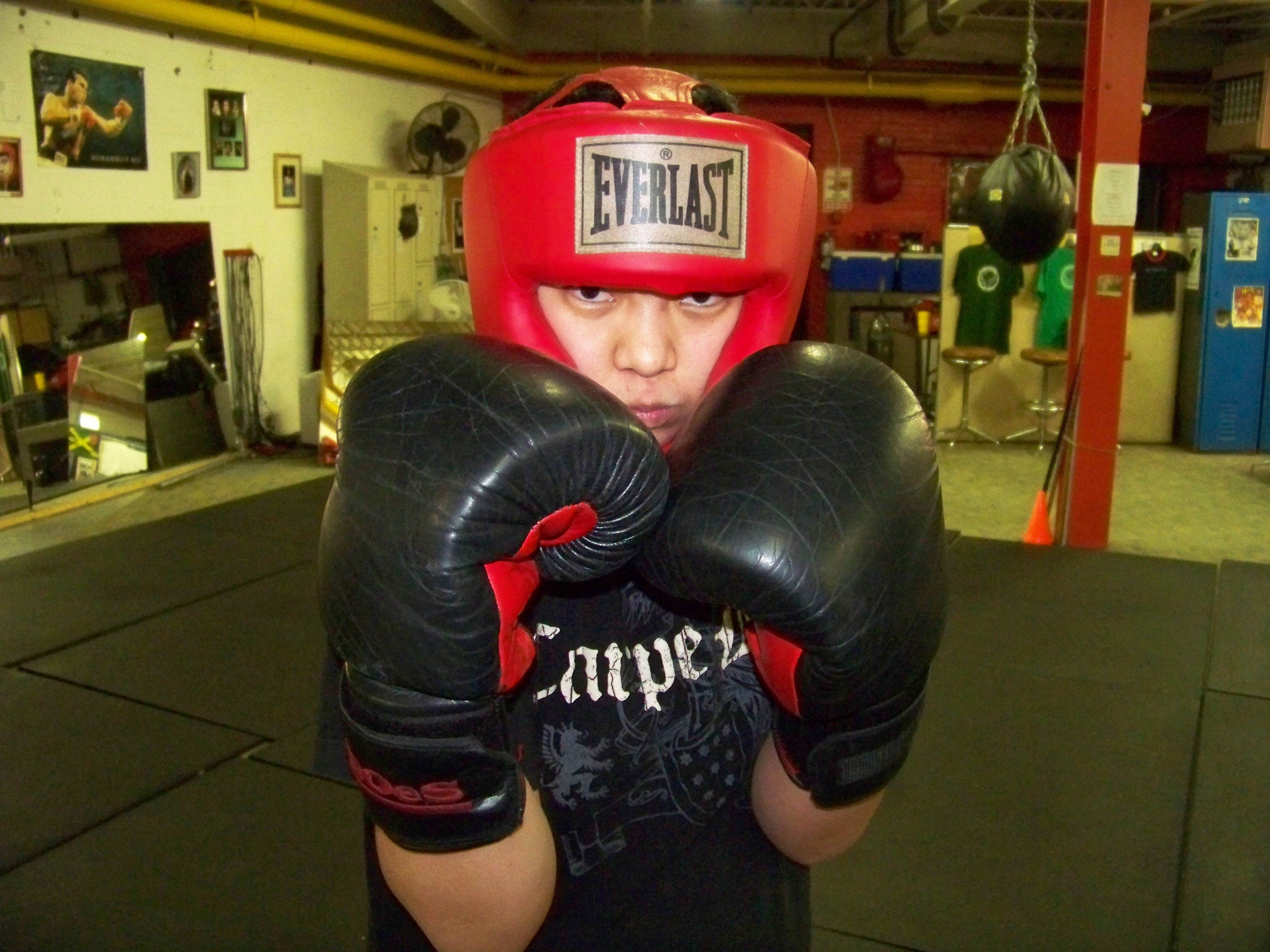
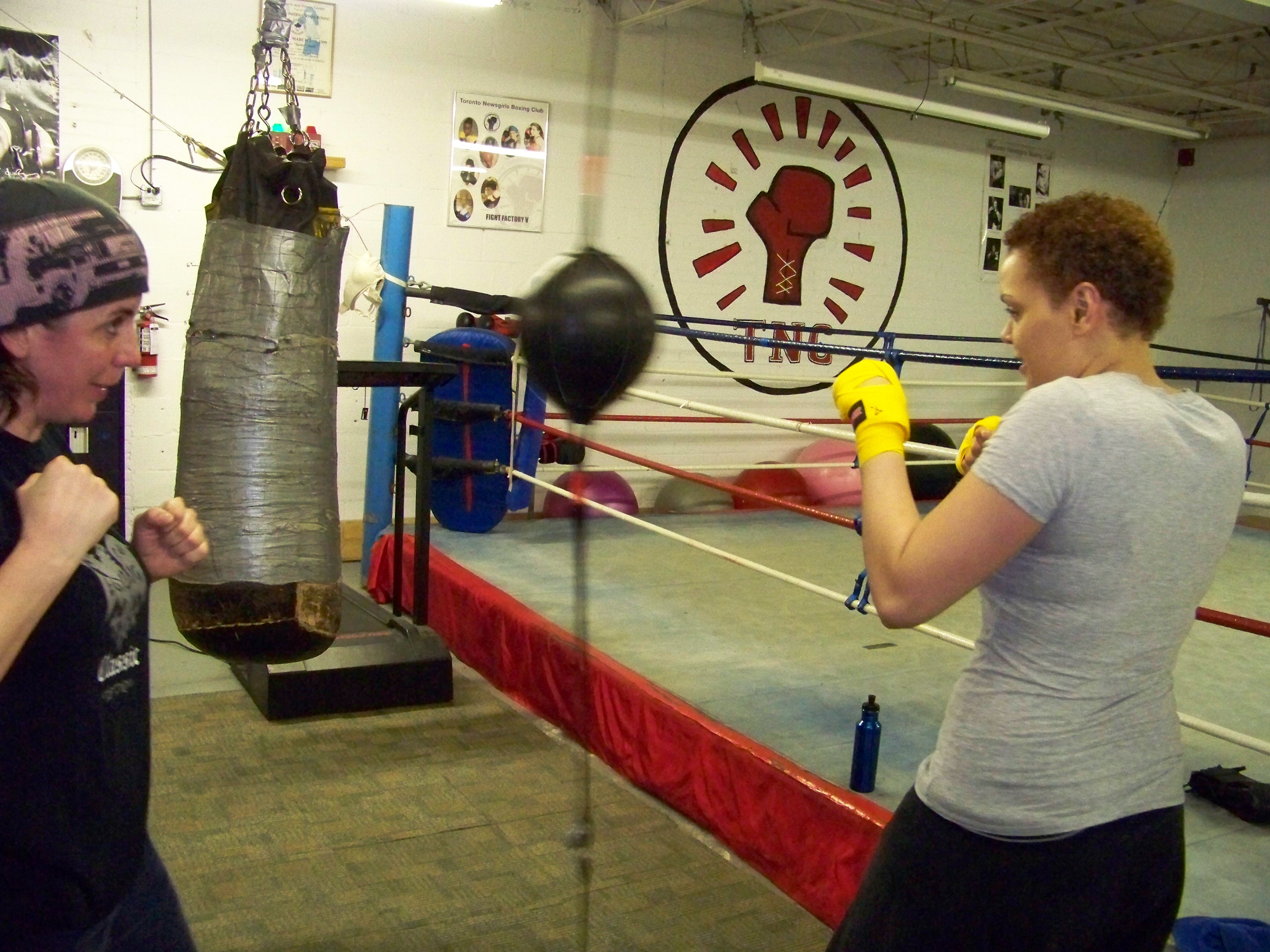
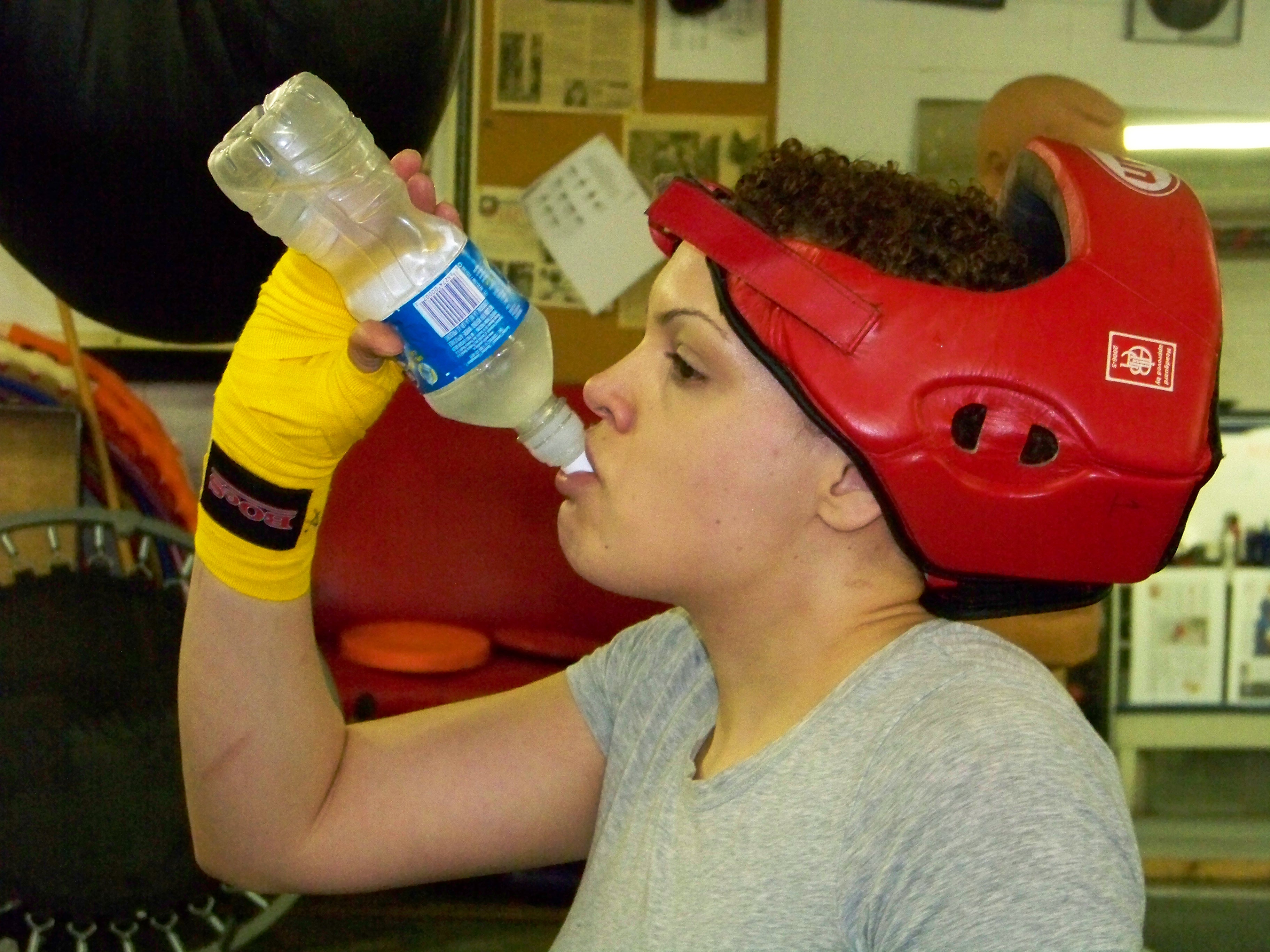
CELEBRATING INTERNATIONAL WOMEN’S DAY 2011: PHOTO ESSAY OF TORONTO NEWSGIRLS BOXING CLUB + INTERVIEW WITH BOXER-POET KERRY RYAN

Kerry Ryan’s first collection of poetry, The Sleeping Life, was published by The Muses’ Company in 2008 and nominated for the Aqua Lansdowne Prize for Poetry in 2009. She has has poetry published in a number of journals, including Prairie FireThe New Quarterly and Carousel. Her second collection, Vs., was released by Anvil Press in 2010.

ALL photos of Toronto News Girls Boxing Club taken by Jorge Antonio Vallejos for blackcoffeepoet.com.

BCP: Why poetry?

KR: As a reader I love fiction but, as a writer, I feel most drawn to poetry. I like the intense focus on language and image, the challenge of its economy. Plus, you don’t have to deal with pesky inconveniences like plot and character.

BCP: What is your process?

KR: I never know how to answer that question – I still feel like I’m winging it every time I write.

Usually a poem begins with a little nugget of something – a word that I just love rolling around, a phrase or a very simple image. Then I build out from there and see where it takes me. After I have a draft I usually put it away for a while – days or weeks, sometimes months – then start editing it when I feel less emotionally attached. Quite often the image or word that incited the poem ends up being cut – as if its purpose was just to launch a piece.

I’m not in a writers’ group right now, but from time to time I have a chance to workshop, or get feedback from other folks, and that can be helpful.   

BCP: How long have you been writing poetry? 

KR: I wrote pretty angsty, awful stuff in high school, then took a creative writing class in University that set me on a more serious path. I didn’t get up the nerve to start publishing until a few years after that – almost ten years ago. 

BCP: Who are your influences?

KR: For me, it’s more a case “what” than “who.” My writing is very influenced by my immediate environment – the things, people, weather, etc, around me. There are lots of writers whom I admire and envy, but if their work seeps into mine, it’s purely unconscious. (I was embarrassed to realize, well after it was published, that one of my poems cribbed a few words from Leonard Cohen. Oops!)

BCP: How did the idea of Vs. come about?  Why did you choose to write Vs.?  How long were you working on the manuscript?

KR: I didn’t get the idea for a collection of poems about boxing and then set out to write it; it grew quite organically. About three years ago, I joined a boxing gym near where I work and started going to classes on my lunch hour. It was a complete departure from anything I’d done before, but I liked the physical challenge of it and the sense of camaraderie and support at the club was really inspiring. The classes involved lots of boxing-related and technical training – heavy bag, punching drills, lots of push-ups and skipping, but not much actual contact. And that was fine with me, since I’d intended to live my life without ever hitting, or being hit by, anyone. So, I surprised even myself when I signed up to train for a white collar boxing match at the club.

Transitioning from the gym to the ring was much more mentally and physically demanding than I’d expected. I fell back on poetry to help myself through the process – partly to get my mind on the same page as my body, but also to help myself understand why I was taking it on in the first place. 

So, I wrote several poems in the weeks leading up to the fight and, by then, was so immersed in the concept I just kept going. I thought it might become one section of a collection, or maybe a chapbook, but the poems kept coming.

Once I realized it could be its own book, the manuscript came together very quickly. I had a first draft within about six months and spent another two or three months editing before sending it to publishers.

BCP: Your poetry in Vs. is emotional, honest, and stimulating.  What were you trying to convey to your readers?

KR: I didn’t think about audience much during the writing, it was more about trying to answer some questions for myself, like: “Why am I doing this?”  “What if I get hurt?” “Is this really me?”

But now, when I think about the book, and especially when I read from it, I hope that it will encourage others to challenge themselves, and their own concept of themselves, however they might choose to do so. I also hope it changes some preconceptions about boxing – it’s a very technical and beautiful sport – and show that it’s a wonderful, empowering opportunity for women.

BCP: Was it hard finding a publisher for a book of poems about women’s boxing? 

KR: I was expecting it might take years to find a publisher and, then, equally long before it appeared in print. I completely lucked out! I sent it out to a small handful of presses, and had a few encouraging rejection letters, before sending a query to Anvil Press in March of 2010. I had an e-mail back right away asking to see the full manuscript and, a week after that, it was accepted for publication – that fall. It was flukey and lightning-fast, as far as publishing goes, but very exciting.

BCP: Did your fighting spirit from the boxing gym play a part in your writing? 

KR: Yes, in may ways, it did. The intensity of the training process really carried over into my writing and helped me focus. And, because I was so immersed in boxing physically, and spending much of my time thinking/worrying about my fight, it was only natural that it carried into my writing.

There’s also a very important lesson that I’ve learned at the boxing club and now apply to my life as a writer: “suck it up.” It’s amazing what good advice that is when the writing is difficult or you get a rejection letter in the mail.

BCP:  International Women’s Day is this week.  What does IWD mean to you?  How does women’s boxing fit in to IWD?

KR: I can’t say that I celebrate International Women’s Day in any special way – though I’m glad that there is one! I think women’s boxing, like IWD, reminds us all that there are all kinds of roles and opportunities for women and that women belong anywhere they want to be.

BCP: Do you see poetry as a form of activism?

KR: I think it can be a form of activism, though I don’t look at my own writing that way. I don’t think my poems are going to change the world; I’m just sharing my experience and hope that resonates in some way for people.

BCP: Are you still training boxing?  What do boxing and poetry have in common?  When you watch fights do you see things in the ring that you also see on the page?

KR: Yes, I still train, though I haven’t had another fight since the one I wrote about in Vs.

There are lots of connections between boxing and poetry. First, the language around boxing is very concise, immediate and powerful – the way it must be in a poem. No energy can be wasted by either. A poem should be taut, precise, filled with tension, hard-hitting – just like a boxer. A boxer and a poet must have the same kind of self-discipline, self-reliance and tenacity.

BCP: Did your fellow boxers know you were writing Vs.?  How did the men at your gym react to the book?

KR: I didn’t talk a lot about the book as I was working on it, but both men and women at the club have responded very positively. I think some are surprised to see their sport presented in terms of poetry, but they’ve been very supportive.

BCP: What are you working on now? 

KR: It’s odds and sods right now until I build some momentum. I have a few random pieces coming out in lit mags over the next little while – Prairie Fire, The New Quarterlyand The Antigonish Review. I’ve got a couple of larger projects in the very, very early stages and I’m currently trying to cobble together some funding to develop them. There are a lot of businessy parts of being a writer – submitting work, applying for grants, doing research – and I’m in that phase now.

BCP: When do you expect to have a third collection of poetry published?

KR: That’s really hard to say. Even when I do get a manuscript together, it all depends on what publishers are looking for at that time, what else is out there, etc. I hope I’ll have a third collection some day. I’ve been extraordinarily lucky so far. My first book came out in 2008, about eight months after it was accepted. Same with Vs. last year. So, I’m pretty sure I’m due a comeuppance – the next one will probably take ten years or something!

BCP: What do you want the boxing and non-boxing communities to get from reading your poems?

KR: Poetry is a pretty tough sell for anyone, but I hope Vs. encourages both audiences – not that they’re mutually exclusive – to explore new territory and expand comfort zones. I hope the subject matter draws some people to poetry that wouldn’t normally read it and that the form introduces a more literary crowd to the world of the physical.

BCP: What advice do you have for other writers out there who are having difficulties with their writing, or who have yet to see their work in print, or who are afraid to perform their poetry?

KR: I think it’s important to remember that writing isn’t a hobby; it’s hard work and you have to want to do it. Writing can be lonely, frustrating, thrilling, demoralizing and freeing – sometimes all within an hour. You have to put the time in.

I think the most important things for a new writer to work on are finding your own voice and building a thick skin. Sharing your work – whether through publishing or readings – can make you feel incredibly vulnerable. No matter how good your work is, you’ll probably get a rejection letter, or someone talking through your reading. Writing is so subjective. You can’t get too worried about what other people think, unless they’re saying nice things – savour that! 

Tune in to Black Coffee Poet Friday March 11, 2011 for a reading of Kerry Ryan’s poems at Toronto News Girls Boxing Club.

Posted in Poetry | Tagged , , , , , , , , , , , , | Leave a comment

CELEBRATING INTERNATIONAL WOMEN’S DAY 2011: INTERVIEW WITH SAVOY “KAPOW” HOWE AND A REVIEW OF “Vs.” BY KERRY RYAN

Vs.

By Kerry Ryan

Reviewed by Jorge Antonio Vallejos

In her book On Boxing, famed American writer Joyce Carol Oates wrote, “boxing is for men, and is about men, and is men.”  She was wrong!  And Kerry Ryan’s autobiographical collection of poems—Vs.—is proof of that.

Described as “a shy, bookish woman you’d never expect could hit someone in the face,” Ryan’s poetry packs a punch.  With already one book to her name and having been published in many literature journals across Canada, Ryan knew what rhythm meant on the page; she bravely chose to discover what rhythm meant in the ring.

Boxing is no joke.  Although there are rules, regulations, and a referee, boxers can, and often do, get hurt.  And unlike other sports there are no substitutes in boxing.  If you cannot continue the match is over.  Everything lies on the shoulders of the fighter in the ring. 

The life of a writer is similar.  Not only do writers use their hands to make a living and practice their craft, they are the sole people in front of the page; it is up to them to write or not, finish their piece or scrap it.  At the start of her collection Ryan aptly quotes legendary boxing writer A.J Leibling: “A boxer, like a writer, must stand alone.”  Boxers and writers also have to get up every time they are knocked down.  Many people are not willing to do that.  This is why everyone who thinks they are fighters are not, and everyone who thinks they are writers are not.  Kerry Ryan is both.

Vs. is split in to five sections:

1) Why

2) Training

3) In The Ring

4) Fighting

5) Six Minutes     

The reader is taken on Ryan’s boxing journey from beginning to end in 82 pages.  And it is a ride worth taking.

Bloodline, the first poem in the collection, is about a beautiful moment betweern a father and daughter taking place at the end of Ryan’s journey.  Her father holds up her trophy and shares stories of his boxing days as a young man.  He names Manitoba’s boxing greats, “The Winnipeg Walloper, Manitoba Mauler, Canadian Clobber”, and remembers what it was like in the ring.  Ryan writes, “I didn’t know boxing ran in the family.”  Seeing the pride in her fathers face Ryan ends the poem the only way she could, with feeling:

“That prize lasts a lifetime,

not on a mantel,

but rooted in the body,

lighting it quietly from the inside.”

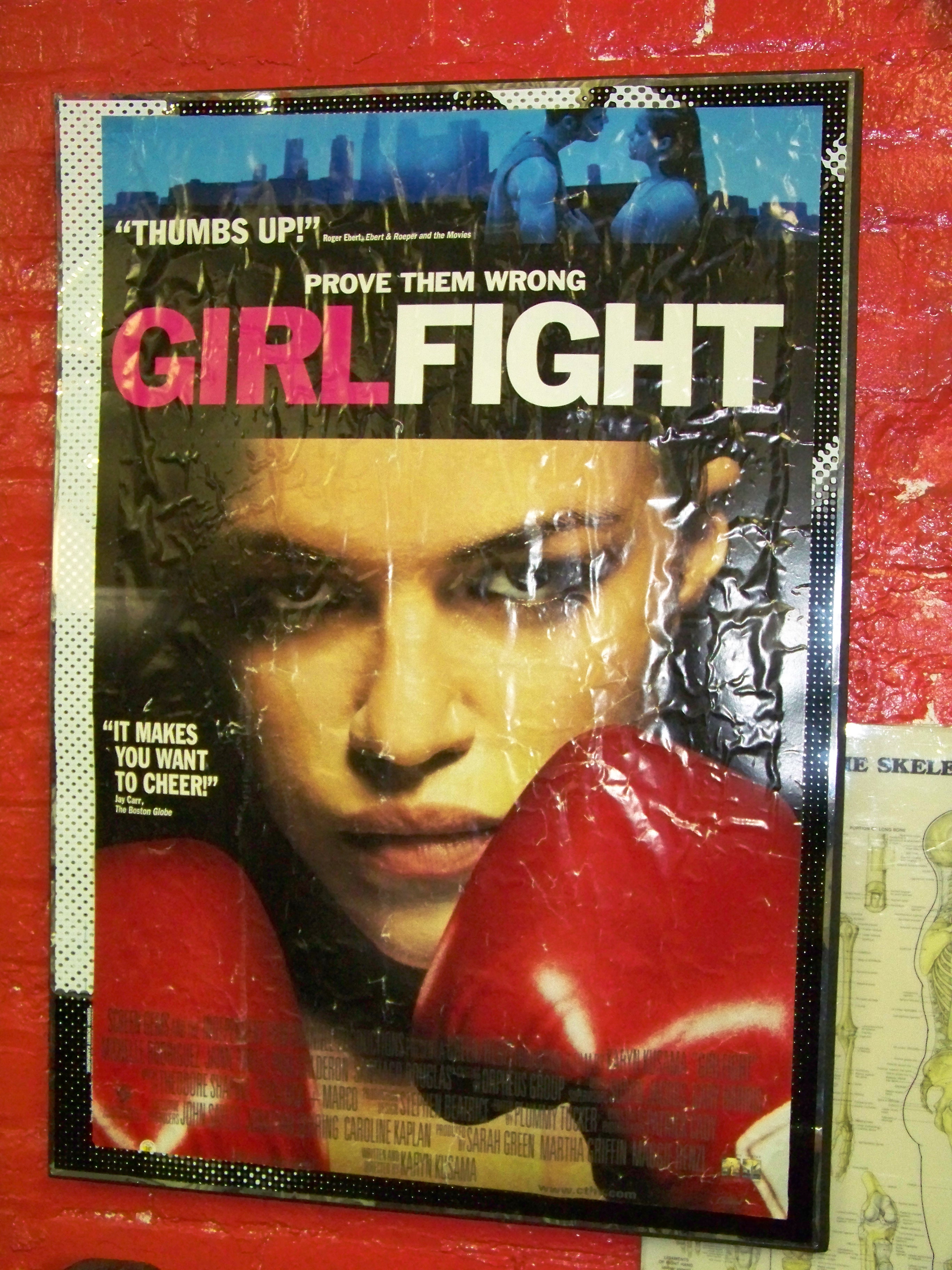
Like any true student Ryan studies her craft whether it be poetry or the sweet science (boxing).  Her poems show that she is well read.  They also reveal her dedication to the sport she took up.  To do well at anything you have to put in the extra.  Ryan put in the extra that is needed of a boxer and writer.  This writer was reminded of a quote in the film Girlfight when reading Vs.: “When you’re not training, someone else is.”  Ryan not only trained in the gym, she trained at home immersing herself in her new chosen art:

“I watch documentaries

on Ali for the poetry,

Raging Bull on a De Niro kick,”

Later, in Friday Night Fights Ryan cleverly writes of “watching the real boxers on TV” while flirting with her lover on the couch.  As fists are thrown in a ring brought to Ryan’s TV via satellite, she and her partner play a rough game of footsy.  Ryan’s training in the ring and out earns her a victory on the couch:

“After twelve rounds, a decision

but my win undeniable

as I unfurl ragged legs

across your defeated lap.”

Boxing is often compared to dancing.  There is technique needed to be a true boxer.  And the most important part of a boxer’s arsenal is their footwork.  You can have all the strength in the world but if you do not know how to stand correctly and move around the ring you will get nowhere.  Like dancing, there is an erotic side to boxing: sweat, adrenaline, hugging, and emotion.  Ryan cleverly brings that eroticness to the page when writing of her trainer:

“In the gym he holds heavybags

as casually as you might slip hands

around a lover’s waist”           

You are with Ryan as she learns how to warm up, wrap her hands, stand, and throw a punch.  All are important lessons that a trainer teaches.  Ryan also takes you to a place where no one can teach you but experience itself: how to hurt someone.  In The Hardest Lesson Ryan writes:

“Your fists stall, rear

approaching her face

You have to learn how to hit

To watch your glove smash

against her forehead

like a fender into flesh

Have to practice to land

a pure shot to her belly—

hard leather echo—

without saying sorry.” 

Honesty runs throughout Ryan’s collection.  The poet gains her readers trust.  They feel what she feels.  Her craft is honed tight, she lands three punch combos in the ring and on the page.

There are some things that are missing.  For example, the golden rule: to hit and not be hit.  That is a fighter’s ultimate goal.  Another is the beloved speed bag.  The rhythm of fists moving in a circular motion as they hit balled leather making the repeated sound badoom badoom with the metal swivel singing at the same time would have been a pleasure to read.  The art of skipping was also not present.  The dance of rope and feet to the smacking song and wind being cut would have added more musicality to the collection.

There are many lessons and confessions Ryan writes of in Vs. True boxing fans, recreational boxers, and lovers of poetry will appreciate Ryan’s collection.  She’ll win the readers attention just as she won her fight after months of training in the ring.  Vs. is a knockout!

Tune in to Black Coffee Poet Wednesday March 9, 2011 for an inclusive interview with Kerry Ryan and a photo essay of the Toronto News Girls Boxing Club!!! 

Posted in Poetry | Tagged , , , , , , , , , , , , , , , , , , , , , | 1 Comment

TORONTO POET JENNY SHEPPARD READS HER POEMS

Jenny Sheppard is a committed writer.  Everyday she sits and writes in her red journal adorned with stickers.  Hours go by as her green pen fills up pages.  

Currently reading the famed short story collection Bad Behavior by Mary Gaitskill, Sheppard is constantly reading and listening to music to improve her craft.

Enjoy Jenny Sheppard’s poetry.

Tune in to Black Coffee Poet Monday March 7, 2010 for the start of Celebrating International Women’s Day on blackcoffeepoet.com with a review of “VS” by Kerry Ryan and an interview with Savoy “Kapow” Howe of the Toronto Newsgirls Boxing Club.

Posted in Uncategorized | 1 Comment

INTERVIEW WITH TORONTO POET JENNY SHEPPARD

Jenny Sheppard is a 23 year old poet/musician living and working in Toronto. Growing up near the ocean helped inspire her to write her first songs and poems. She spends her free time reading, writing in her journal and wandering the city people watching. She is a night owl.

BCP: Why poetry?

JS: Why not poetry? I needed an outlet for all the angst and emotional turmoil I was experiencing and it provided me with a creative way to do that. Now it’s a reflex to filter my life and experiences through poetry. It’s the way in which I process events in my life.

BCP: What is your creative process?

JS: I go through long dry spells and then poetry just sort of bursts out haphazardly. My poetry is similar to a dam, the pressure builds and the water rises before breaking through and the words find their way to the surface.

BCP: How long have you been writing poetry?

JS: The earliest I can remember writing was the age of four. I would make up my own poems and rhymes and songs to entertain myself. I grew up around a lot of music and I figured if they could do it, so could I. It wasn’t until my mid-teens that I really got into it and tried to hone my skills.

BCP: Who are your influences?

JS: Leonard Cohen is the biggest one, and Edgar Allen Poe. When I was younger Jewel captivated me as well as Alanis Morissette — their lyrics are like poems to me. Fiona Apple’s lyrics are extremely poetic as well, she’s a big influence of mine.

BCP: Your poetry is emotional, honest and stimulating. What do you try to convey to your readers?

JS: I want to make them feel what I feel, have them step into my shoes and see the world from my perspective. I also want my readers to know they’re not alone. Alienation was a big part of my childhood and I’d like my readers to feel a sense of camaraderie.            

BCP: You are also a singer and songwriter. Do you see song and poetry as related?          

JS: Song and poetry are intertwined  as far as I’m concerned. Some of my best songs have come from poems and vice versa. Songs are poetry set to music, essentially.

BCP: Book of Longing by Leonard Cohen is your favourite book of poetry. What about it struck you?

JS: The way he writes reminds me of someone just letting you into their head and heart, not censoring or cleaning up any of their thoughts. I find his poetry very emotional and honest and the way in which he puts words together leaves me astounded. His poems are magic, and many of my favorites come from that particular book.

BCP: The poetry you have shared with me is based on your life. Is a lot of your poetry like that.

JS: Yes. My poetry is painfully self-centred. I know my own life better than I know anything and since I use poetry as a means to process, come to terms with, and finally accept the things that happen to me in life, most of the words I write end up being incredibly personal.

BCP: You used to go to lots of open mics in the past. Why did you stop? Would you consider starting again? If so, why?

JS: I stopped mainly because I got distracted and caught up in the more mundane aspects of daily life. I have also been trying to overcome near-crippling stage fright. I have found myself longing for the stage more and more lately. I would very much like to go again. In spite of my stage-fright, I do get a rush from performing that cannot be replicated in any other way. I guess it’s time to bite the bullet.

BCP: What are you working on now?

JS: Music has been crying out for my attention. I’ve had a bit of a crazy, wonderful, inspiring year and I’m looking forward to processing it through music. I imagine some great poems will also come from this writing period. I’m excited about this year, I think it’ll be a good one, especially once I get back out there and hit the stage.

BCP: When do you expect to have your own collection of poetry published?

JS: I’m really not sure, with my focus shifting to music it’ll probably be at least a little while. I publish my poems on the Internet, though, so people can always find me there!

BCP: What advice do you have for other writers out there having difficulties with their writing, or who have yet to see their work in print, or who are afraid to perform their poetry?

JS: I’d tell them to keep writing, that’s the most important thing! And get out there and perform your poetry, it deserves to be heard and feedback is a good thing that helps people improve their writing. It’s a wonderful art form and has to be cultivated like any other skill. No one is born perfect.

Tune into Black Coffee Poet Friday March 4, 2011 for a video of Jenny Sheppard reading her poetry.

Posted in Poetry | Tagged , , , , , , , , | 1 Comment