BLACK COFFEE POET READS “SATURDAYS” BY ANA CASTILLO

This week I’ve been writing a series called Stepping Out From Behind The Wall: 1 and 2 where I explored male privilege and it’s connection to violence against women, as well as supporting a someone in an abusive relationship.

Ana Castillo’s poem Saturdays found in her collection My Father Was A Toltec sums up the week well.

It’s my pleasure to read Saturdays by Ana Castillo for you.  Enjoy!

Tune in to BlackCoffeePoet.com next week for the 1 Year Anniversary celebration featuring Lee Maracle: video interview, review, written dialogue, and reading. 

Posted in Poetry | Tagged , , , , , , , , , , , | 1 Comment

STEPPING OUT FROM BEHIND THE WALL 2: SUPPORTING SOMEONE WHO IS IN AN ABUSIVE RELATIONSHIP

Tracy Chapman’s song Behind the Wall was the metaphor I used in Stepping Out From Behind The Wall: Acknowledging Male Privilege and It’s Connection to Violence Against Women.  Chapman sings of hearing a female neighbour being assaulted by their male partner, not being able to sleep because of it, and the police doing nothing about it until it was too late.

How many times have we been in that situation, or one similar?

Most people follow the ‘Mind Your Own Business’ philosophy and then feel like shit when their neighbour is brutally assaulted or killed.  I’ve seen it on the news countless times:

“We all knew what was happening.  I wish I had said something.  I wish I had called the police,” says a neigbour. 

By no means am I saying the cops are the answer!  I’m also not advising not calling the cops.

I also don’t ascribe to the ‘Mind Your Own Business’ philosophy that most men do.  I had knives pulled on me after stepping in to support a woman who was being verbally and physically assaulted outside of a club.  Thankfully, I’m still here.   

We all deal with things differently.  And there are many things you can do to support someone who is being abused.

I’m in a situation, again, where someone I know is being abused.  Hence this article.  I’ll get into it after my history with the subject.

I’m coming to this page with experience matched with humility.  I don’t know all the answers.  I also recognize that I’m part of the gender (cis-gendered men) that are responsible for most of the violence in this world.

The first time a friend shared their experience of surviving sexual assault I was 14.  It was grade 9 and we were sitting outside skipping class.  She told me that it was her best friend, a guy, who assaulted her; I’ve heard more stories about ‘best friends’ since. 

My way of supporting people who’ve survived different forms of abuse is to listen to them. 

Not hear them, listen to them.  There is a difference.

When I was 19 a dear friend at the time came to me with her story of surviving sexual assault.  She was a year younger, and I supported her the way I knew how: to listen.  We had many conversations on the phone and in person; positive, for the most part one sided, conversations for hours.  Listening helped but she needed more and I was not qualified to give her more.  So, I accompanied her to counseling sessions at her request.

I haven’t been to counseling with anyone else, but sadly there have been more women that have confided in me regarding different forms of abuse, primarily sexual assault.

Just to be clear, it’s not only women that have shared their stories with me.  Men are assaulted too; they just don’t talk about it as much.  A few men, survivors of the residential school system, have shared their stories with me, as did someone I hung with for years in my late teens. 

Again, I listened.

Listening is great but there is more that you can do.  And some people need and want more than someone to listen to them.

Here are some tips (not in order) I’ve gotten from various sources on the internet:

1. Believe them.

2. Listen intently for as long as they need.

3. Assure them it’s not their fault.

4. Remind them that they’re not alone.

5. Only give advice if you are trained to do so.

6. Respect their privacy.  Let them share their experience with who they want, if they want. 

7. Do not confront their partner.

8. Let your concern and love for them guide your support and talks, not your anger toward their abuser.

9. Maintain contact.

10. Provide resources that can help them.

11. Keep the promises you make.

12. Be prepared to lose a friend (being cut off, shut out, and ignored)

My experience with supporting people being abused has seen them always approach me.  That doesn’t always happen.  In times like this experts say to confront your friend in a loving and non-judgmental way. 

Again, don’t confront their partner.

I’m in different territory now. 

All the people who have confided in me before are still in my life or have drifted away in a good way, and might come back. 

Recently, someone who I considered a friend, and who I have done what I know how to do, listen, has cut me off because their abusive partner sees me as a threat.

Over the last two years I’ve listened, referred this person to Deb Sing (someone I know, trust, respect, and recommend if you’re in Toronto) and been supportive as best I know how.

I’m used to people who date my friends being jealous of me.  I could care less. 

This new incident has seen things happen that I’m not used to: the abuser has tried to start a fight with me, sent indirect negative comments my way, and prohibited their partner from communicating with me.  

Control.

Scary.

The abused person has moved in with their abuser, is accompanied by them at all times (even entire shifts at their workplace), has had their pet killed by the abuser, and the abuser is banned from entering the partners family home. 

Shit is real!

Maybe some of you are in a similar position.

This is what I have come up with:

Be patient and hopeful

Don’t give up on them and don’t see the worst as the only outcome.  Time is all we have.  Maybe they’ll come around.  Hope is better than despair. 

Don’t take it personal

Even though you’ve done all you can and not seen the result you hope for it has nothing to do with you.  If they’ve cut you off it’s a reflection of where they are at, not a reflection of you.

Don’t cut them off

This isn’t a game.  This is real.  If you are a friend be loving and empathetic.  Cutting them off isn’t going to help matters.  You can maintain your distance in a good way.  But don’t cut them off.

Don’t quantify things

Don’t keep track of what you have done for them.  It’s easy to get into the mode of seeing them as ungrateful.  They probably really appreciate all you’ve done for them.  They’re just in a bad place.

If they come to you have an open door

Let them come to you and accept them.  They already feel bad and don’t need a friend to shut them out.  They probably have few, or little, people to go to.

If you see yourself as an ally then remember what being an ally is about

I got into a negative and pissed off mode at first.  Then I remembered, “I’m an ally.”  I’m an ally to different peoples and this person is one of them.  Ally’s don’t bail, they stand beside you or behind you.

Act positively every time you see them. 

I still see this person from time to time and I remain polite and positive.  It feels weird, we pretend that nothing has happened or changed, but it’s the best thing to do right now.  I also think of positive energy going in their direction. 

If you’re a spiritual person then practice your spirituality

I believe in Creator and I engage in prayer and different forms of meditation.  I don’t only pray for the abused I also pray for the abuser.  The abuser is an abuser because of past abuse they’ve experienced. 

Remember that they are in a bad place

It’s normal to feel upset and sad and frustrated.  The thing to remember is that they are in a bad place.  They are not well.  Keeping this in mind will help their healing and the stress you might be feeling.

Don’t try to be a rescuer

You can’t rescue someone in this situation.  It’s not a fire.  You’re not going to run in to their home and carry them to safety.  I remember hearing something key in a healing circle: “Rescuers in the end need to be rescued.”

Step out from behind the wall.  Be active in a positive and loving way.  Be an ally.  Be a friend.

For those who are concerned, the abuser does not read this website.

Posted in Uncategorized | Tagged , , , , , , , | 4 Comments

STEPPING OUT FROM BEHIND THE WALL: ACKNOWLEDGING MALE PRIVILEGE AND ITS CONNECTION TO VIOLENCE AGAINST WOMEN

WARNING: 1st paragraph has violent depictions of real life events.

Tracy Chapman is mostly known for her classic song Fast Car.  It’s her song Behind the Wall that makes me think of incidents at Canadian universities in the last few years:  two men sexually assault women at York University by breaking into their rooms at night; another man brutalizes a woman breaking her jaw and dislocating her shoulder while sexually assaulting her in a lab at Carleton University; Laurentian University sees a man roaming campus touching women inappropriately; women have been robbed at knife point by a  man on University  of Toronto campus; a woman at Bedford Park (just north of U of T) was doused with rubbing alcohol and lit on fire.

Chapman sings of sleepless nights due to a neighbor being battered by her male partner; cops coming “late, if they come at all,” and declaring not being able to “interfere with domestic affairs.”  Finally, Chapman sees an ambulance taking the woman away.  

When talking about the assaults at Canadian University’s my friend said, “It’s the perfect breeding ground for predators.  Kids drinking and walking around a dark campus.” 

Angrily, I informed him that the women were assaulted in their rooms while sleeping.  I proceeded to tell him that over the years the many, many sexual assaults at York University that the media gets a hold of have occurred when women were leaving, or going to class, or the library.  The woman working in a lab at Carleton was not drinking and she was in a well lit room during the day.  My friend re-thought his position, said he was unaware of all this, and took back his assumption. 

While Chapman sings of not being able to sleep I wonder, “Will these recent survivors of patriarchal violence be able to sleep?”  I also wonder, “How can the cops at York University who have been doing fuck all over the years sleep at night?  How can the men doing the assaults sleep at night?” 

I’ll tell you who is sleeping—most men in our society.

The conversations I hear when I’m around certain groups of men are disgusting: sexist, misogynist, and full of phobias.

Anishinaabe Kwe Shannon Simpson, Counselor at First Nations House U of T, says, “Violence is a human rights issue, not a women’s issue.  Men need to take responsibility.  Men need to use male privilege in a positive way.  Imagine if white business men started speaking out against violence against women; more people would listen then if a woman of colour said the same thing.” 

What would be great is if male athletes started speaking out against violence against women. Imagine a UFC champion saying, “Support our women!” as opposed to, “Support our troops!” 

Privilege is unearned power which gives certain groups economic, social and political advantages.  In our society white males benefit from this the most but all males benefit from this just by being born. 

Stoh:lo feminist, activist, and acclaimed writer Lee Maracle defines male privilege as, “A head start, a larger entitlement in the social, economic, and personal arena.” 

Below is a Male Privilege checklist By B. Deutsch from the Colours of Resistence website (http://colours.mahost.org/org/maleprivilege.html):

1. If I’m a teen or adult, and if I can stay out of prison, my odds of being raped are so low as to be negligible.

2. I am not taught to fear walking alone after dark in average public spaces.

3. Chances are my elected representatives are mostly people of my own sex. The more prestigious and powerful the elected position, the more likely this is to be true.

4. I can be somewhat sure that if I ask to see “the person in charge,” I will face a person of my own sex. The higher-up in the organization the person is, the surer I can be.

5. If I’m careless with my driving it won’t be attributed to my sex.

6. If I have sex with a lot of people, it won’t make me an object of contempt or derision.

7. I can ask for legal protection from violence that happens mostly to men without being seen as a selfish special interest, since that kind of violence is called “crime” and is a general social concern. (Violence that happens mostly to women is usually called “domestic violence” or “acquaintance rape,” and is seen as a special interest issue.)

8. Every major religion in the world is led primarily by people of my own sex. Even God, in most major religions, is usually pictured as being male.

9. Magazines, billboards, television, movies, pornography, and virtually all of media is filled with images of scantily-clad women intended to appeal to me sexually. Such images of men exist, but are much rarer.

10. If I am heterosexual, it’s incredibly unlikely that I’ll ever be beaten up by a spouse or lover.

Simpson says, “Men have to be ally’s because men listen to other men.”  Before we can be ally’s there is much research to be done and a lot of important questions that we men have to ask ourselves. 

When talking with Cherokee Professor/Writer Daniel Heath Justice he described the larger, systemic problems as starting “from little things” and therefore “we have to start small.”  For example, the unquestioned use of the word bitch, or putting down the toilet seat, or helping clean up around the house.  

 Like many things in life small things lead to the big things.   Ideas lead to actions, this is why we have to start educating young men to think differently, act differently, and question things.

As men we have to ask ourselves:

Are women around us safe from smaller forms of dehumanization?  (Smaller as in the “little things” mentioned above compared to the big things such as sexual assault listed in my intro.)

Do we interrupt, or talk over, women?

Do we consider what is being said by women before we consider an answer?

Do we look women in the face while talking to them?  Or are we looking at their body parts?

Are we comfortable in a room of women?  If not, why?

Does challenge from women hurt our ego?

Do we think of men first when thinking of inspirational leaders? If so, why?

Do we as men honour women’s knowledge as much as men’s knowledge?

When we think of warriors do we think of hyper masculine men?

Do we honour the peacemakers as much as we honour the warriors?

When men say oppressive things about women do we challenge them?

Are we making the connections between different forms of oppression?  

Racism, sexism, and homophobia along with all isms and phobias are cousins in one big oppressive family.

We men have to take action and “speak up” when seeing oppression directed at women, and anyone.  We men have to know the issues, be informed, do our research, offer support, recognize our male privilege, and do some self reflection to challenge ourselves and our assumptions. 

Checking ourselves is an ongoing process with lots of mistakes, mess-ups, challenges, and epiphanies, but it’s worth it in order to help men, women, people of all genders reach an equal state.

Men, let’s wake up and stop hiding behind the walls; it’s our responsibility!

This article was originally published in a different form as part of my column “The Condor’s View” in The Window, September 2007, when I was a student at University of Toronto.

Posted in Uncategorized | Tagged , , , , , , , , , , , , , | 7 Comments

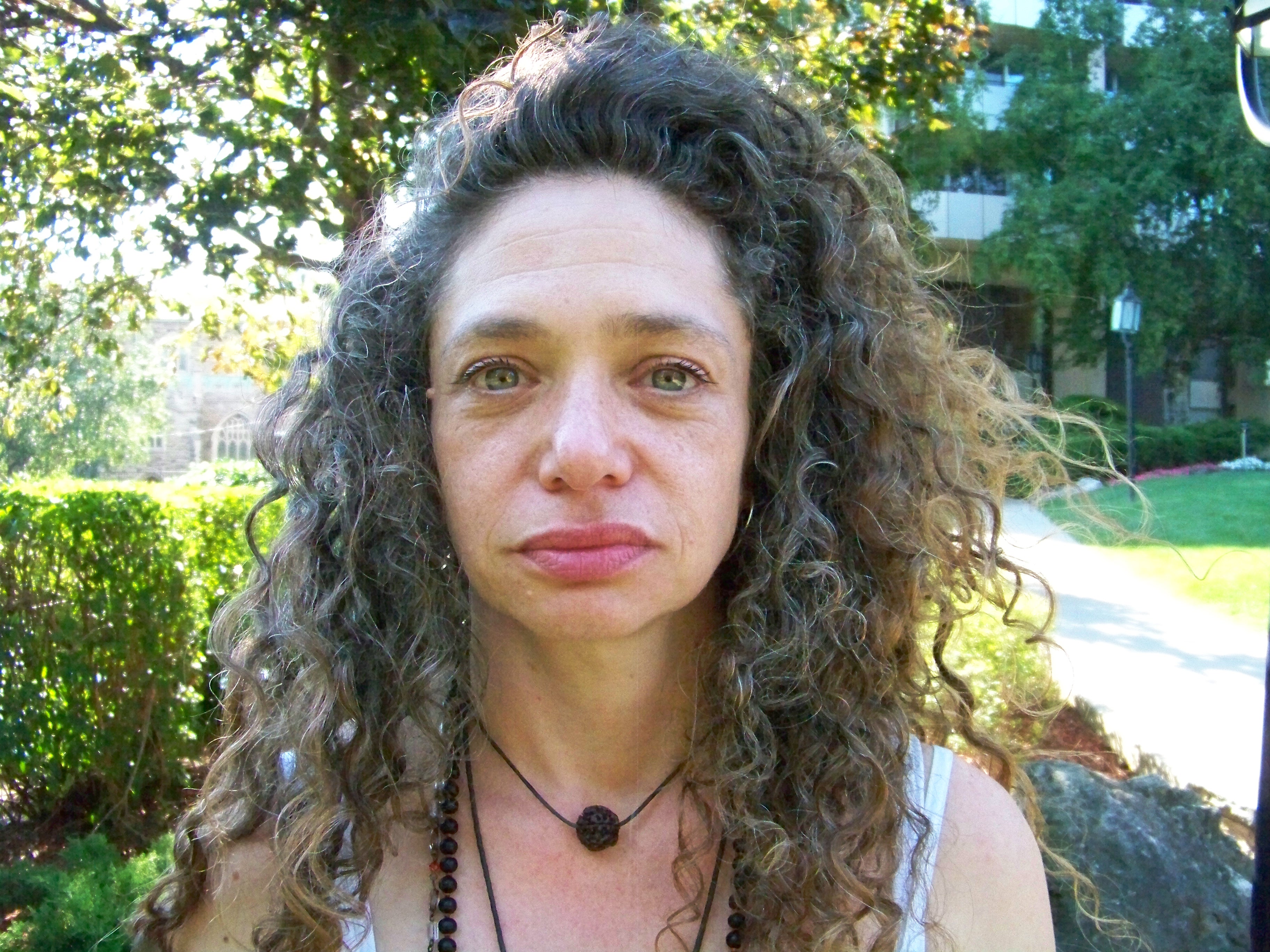
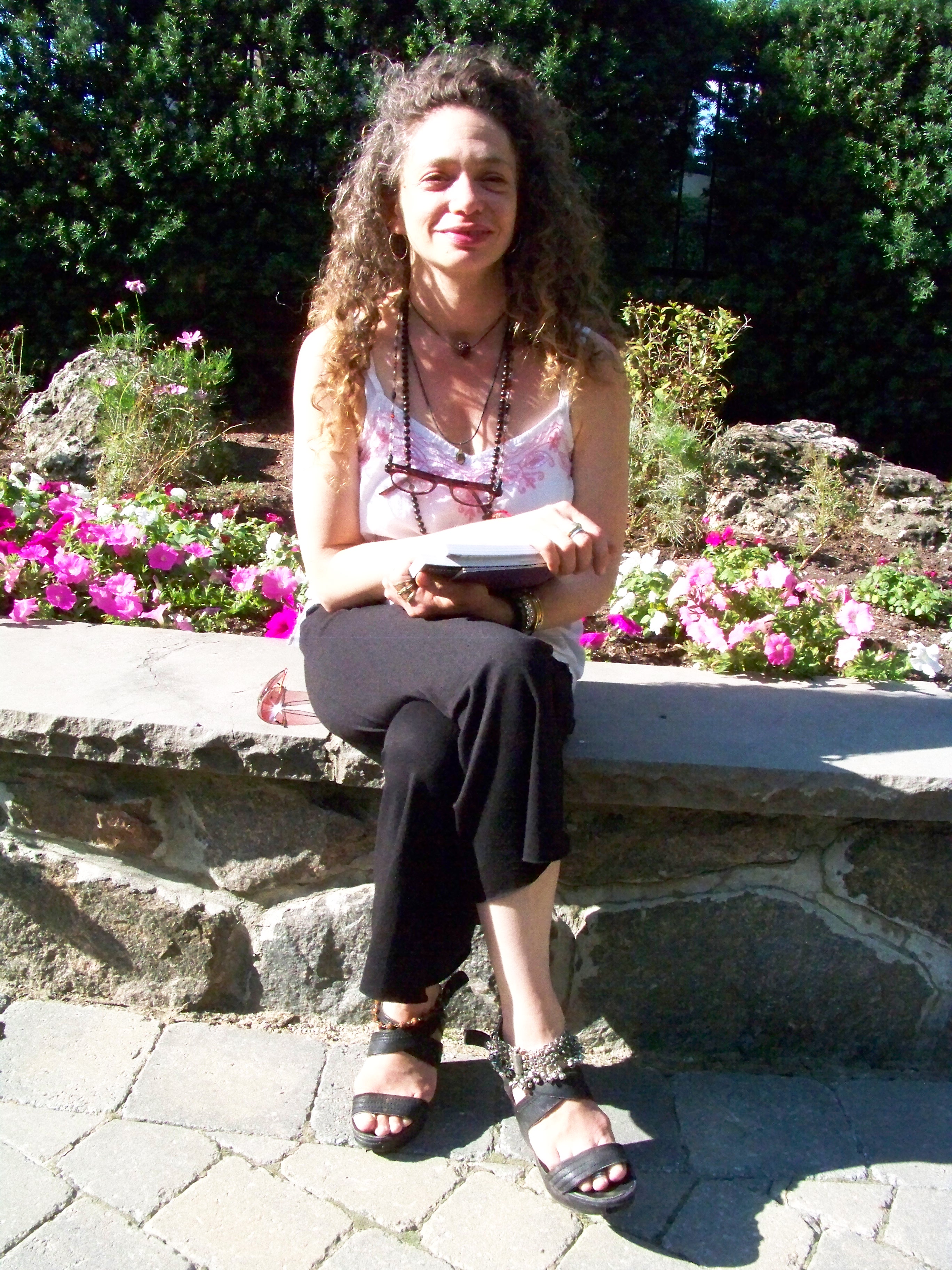
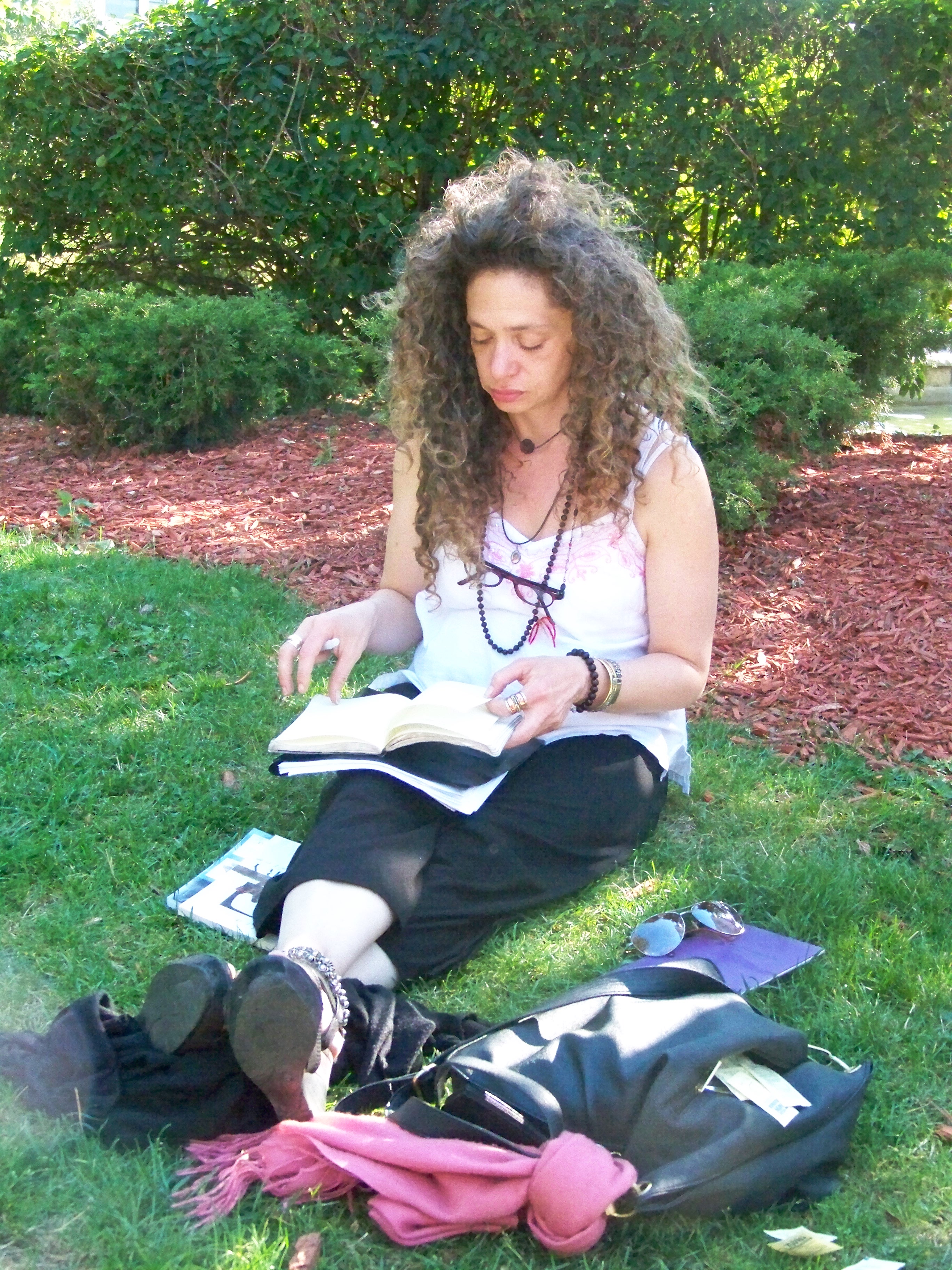
JACLYN PIUDIK READS HER POETRY

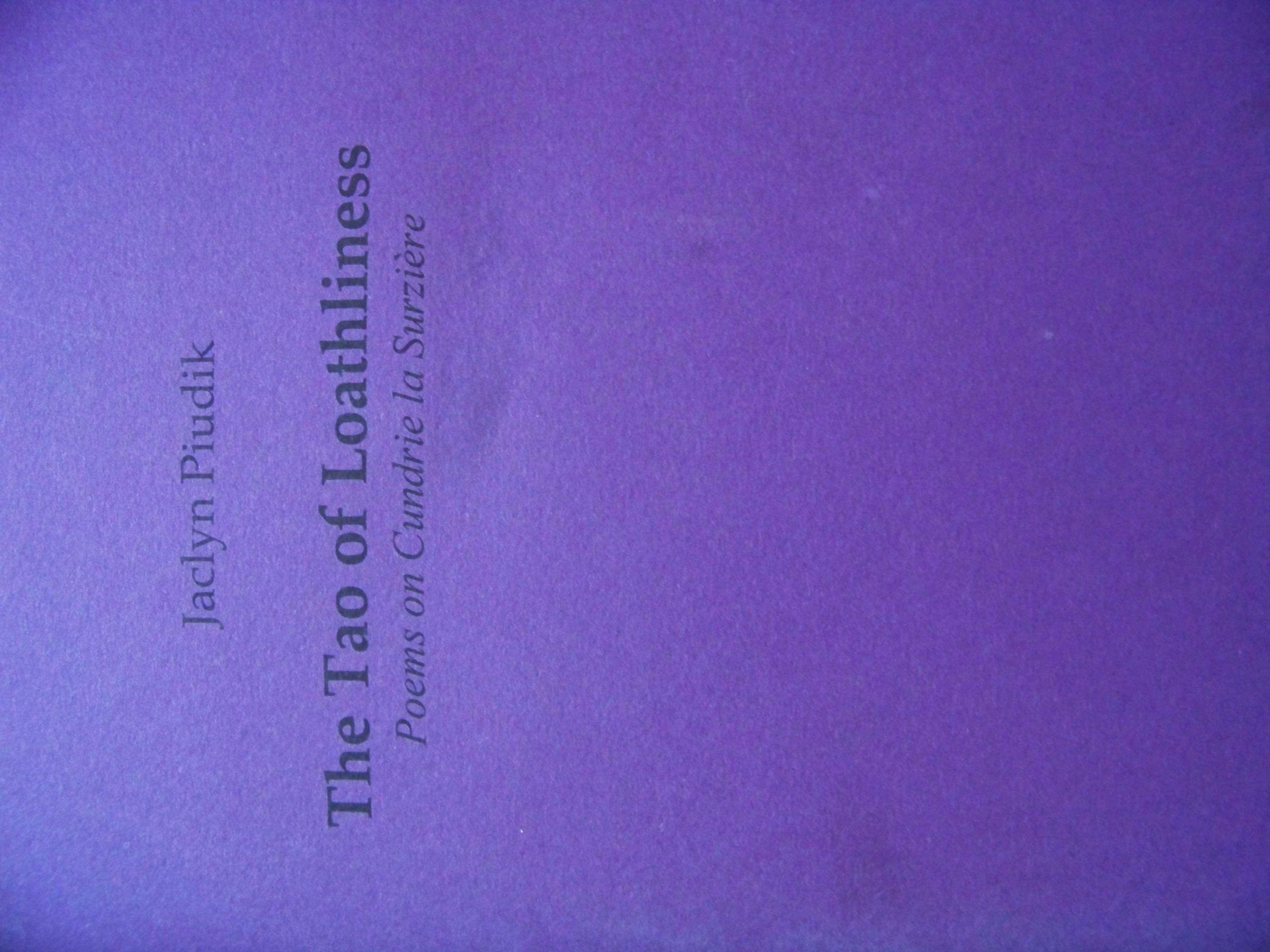
Author of the chapbook The Tao of Loathliness, Jaclyn Piudik has been published widely.

It was a pleasure interviewing her, hanging out with her, and watching her read.

Enjoy.

Tune into BlackCoffeePoet.com Monday September 5 , 2011 for a review of “Do You Like What You See”?

Posted in Poetry | Tagged , , , , , , | Leave a comment

INTERVIEW WITH JACLYN PIUDIK

Jaclyn’s poems have been published in Columbia Poetry Review, Crosscurrents, Barrow Street, The New Quarterly, Garden Variety Anthology,and Crave It, among others.

She authored a chapbook, The Tao of Loathliness, published by fooliar press in 2005 and re-issued in 2008. Jaclyn is the recipient of a New York Times Fellowship for Creative Writing and the Sellers Award from the Academy of American Poets.  She is presently working on a Ph.D. in medieval studies.

BCP: Why did you start writing poetry?

JP: I am not really sure why, to be honest.  I feel as though it chose me more than the other way around.  I wrote quite a bit as a child…it was a fun way to go inside and to dream and imagine….and I have always loved to write and have always liked learning languages.  There were periods in my life when my energy was channeled into other creative (and sometimes not-so-creative) pursuits.  In the mid-90’s I spent some time a friend’s artist retreat – a gorgeous 12th century convent in southern France.  I was there on a barter and it was a magical place, where I started to write again.  On the plane back to New York, I was seated next to the then-director of the Writer’s Voice, and it was too synchronistic to ignore.  Before I knew it, writing  and poetry became the centre of my life – and I knew that that was what I was meant to be doing.    

BCP: What is your writing process?

JP: I don’t have a writing process per se.  I always keep a notebook with me and write down lines or bits of language that come to me.  I have a very busy head, and often something will trigger a stream of thoughts or snippets that end up turning into a poem.  I am inspired when I hear and read poetry and literature or look at at art.  And then I sit down and start to piece together what I have or will use a line or a word as a starting point and see where it goes.  I can – and do – sometimes just sit and write a poem with a specific purpose in mind, or if an event, experience or emotion moves me to do so.  I have been doing some “transtranslation,” a term used by a friend, fellow poet, and teacher, Mark Goldstein.  Mine is based, in part, on homophonic translation…. In fact, I am working on a series now that I hope will become a chapbook. 

BCP: Who are your influences?

JP: Who isn’t, really?  I adore literature in all its forms and I know that every word I have read or heard, every great work, even everyday speech and conversation, things overheard, influence my work.  I love Milton’s Paradise Lost and Shakespeare, of course.  Some of the Spanish language poets are among my favorites, particularly Lorca and Octavio Paz.  I love Rilke as well. And I must say that Marguerite Duras, originally part of the French New Wave, who is so fluid in her movement between genres, is my favorite modern novelist.  She has not, as far as I know, written poetry – at least not what we expect poetry to look like – but every word that she placed on the page is deliberate and so evocative….so deeply sensual…so poetic.  I admire her tremendously – even in translation.  But really, there are too many to name, and many whose influence I am probably not even aware of.

BCP: Much of your writing is serious and sad.  Do you also write about the fun stuff of life?  Why or why not?

JP: Well, I suppose it depends what you consider fun.  I have written humorous poems…poems that make people laugh…although sometimes the humor is subtle and takes time to sink in.  I have a rather sardonic sense of humor, which does come out in my writing, depending upon the subject.  My first journal publication in The Columbia Poetry Review is a poem called “Selections from a Dream Dictionary,” and has some fun material.  It is mostly when I laugh at myself and my circumstances that the playfulness pokes through.  And of course, I have written many poems about love and travel, some of which are quite joyful.

BCP: Non-accessible academic writing, long and boring speeches, and yelling slogans on a megaphone are given precedence over poetry in the activist world. 

What role do you see poetry having in activism?  How can poetry get more than a quarter of a page in a magazine (if at all) and be used as more than an opener at events?

JP: When I was younger, I was very active in political movements that fought oppression…and that was a time when I wasn’t writing poetry, interestingly enough.  I spent a great deal of time and energy being angry and speaking out, which I think is so important in our world.  And it was certainly important for me.  However, I have come to realize, for myself, that activism does not need to be extroverted.  In fact, for some, when all of our attention is focused outside, we can actually be less effective.  To be an activist, in my definition, means that we also have to look inward at ourselves…at who we are, at how we are in the world, at how this affects everyone and everything around us.  From my experience, I can say more in a few words of poetry than I could if I were chanting at a rally.  I don’t mean to suggest that one necessarily precludes the other.  But I do feel that we have to become more conscious of small things that could make a tremendous difference in the world…. Being sensitive and looking into our own mind and heart will invariably make us stronger individuals and as a society…it will help us to realize who we really are.

So for me, writing poetry, and living my life with depth and awareness go hand in hand.  If I touch someone with a poem or incite a person to think about something they might otherwise never have, then I have made a difference.  Sometimes the most subtle things are the most profound. 

Having said all of this, I do think that poetry is, always has been, and in all likelihood always will be a medium used for political and social change.  If we look back in history we can certainly find that.  If we look around us today, it is surely present.  You are right that poetry isn’t at the forefront. I find that there is something about calling poetry “poetry” that can be intimidating to people.  But it is reaching many…and thanks to the internet and to websites like yours, it can reach even more.

My philosophy in terms of accessibility is not black and white.  Understanding is not only intellectual or rational.  One can understand a poem without necessarily knowing the dictionary definition of every word or being able to identify every allusion.  Poetry speaks with images and music, with emotion as well as intellect.  There are so many ways of understanding….  I have been told that some of the language I use is archaic, or abstract, sometimes difficult to penetrate.  A teacher of mine once said that part of the job of a poet is to “re-invigorate” language, and I agree with that.  I want my audience to engage with my poetry, enter into it, take an active – another form of activism, perhaps? – role in the reading or hearing.  If it sends someone to the dictionary, what harm is there in learning the meaning of a word or its history?  Yet, I don’t think that the enjoyment of a poem or an “understanding” of it requires that.

BCP: Some your poems deal with loneliness.  Can you explain why you write about loneliness? 

JP: That’s a big question…. I don’t know if I write “about” loneliness as much as it is evoked in the poetry.  I think we all struggle with loneliness in our lives on some level or another.  I have always felt somewhat misunderstood.  I have always longed to be part of a community where I am accepted for who I am and where I can be with like-minded people, but maintain my individuality – with my quirks and differences.  Family comes in so many shapes and sizes….and I have always been fortunate in finding family in all its guises…all over the world.  But there is another level of loneliness that is rather more difficult to put into words.  It is something that cannot be quelled no matter how many people are around…a desire to be part of something greater.  And ironically enough, I know that the only way I can achieve that is through my own solitude. As you have probably fathomed by now, my life has been and continues to be a spiritual journey.  I fear that some of what I say sounds clichéd, but I say it only because I have lived it.  Seeking – whether knowledge, spirit, or experience – has always been essential to who I am.  It is a process of opening the heart and opening the mind.   And of course, friendship, companionship and intimacy – are all a part of that.   Not to mention some romance and excitement here and there.

BCP: You are currently doing a PhD in Medieval Studies.  Have your studies influenced your poetry?

JP: Absolutely.  I’ve always loved mythology and been nostalgic for times past.  I have a particular fondness for Arthurian romance and the Provençal troubadour poetry (the courtly love tradition), and much of my work is infused with subjects, styles, language from that period.   At the same time, I live in the modern world and love modern literature as well.  I am steeped in two worlds at once – as a result of my academic work, but for other reasons as well.  I find that my poetry is a marriage of ancient with modern.  Anne Carson – a Canadian writer – is someone who I esteem for having achieved a seamless blend of the classical and modern world with exquisite originality in her poetry, novels and essays.  In the end, so many of the themes in poetry are timeless, which is why it is so alluring.

My chapbook is based upon a character from Wolfram von Eschenbach’s medieval grail romance, Parzival.  Cundrie is a fascinating character, although we don’t see much of her in the story.  She is what would be termed a “loathly damsel,” but she is rich and complex, both a product of the medieval imagination, and an expression of a universal type.  I was so drawn to both aspects of her persona that this chapbook came to be.

BCP: You take part in poetry writing workshops a few times a year.  What do you get out of them?  Do you recommend them?

JP: I love poetry workshops and do recommend them for several reasons.  We can’t write in a vacuum, and I find the exchanges that take place in workshops so stimulating and exciting.  It is a great forum for trying new techniques, to get a jumpstart when you are feeling dry….it is an environment for learning and teaching, for expanding and improving your craft, for getting feedback and reactions.  There are times when a colleague will see something that would never have occurred to you … and suddenly the poem works.  There can be so much creativity and innovation…and inspiration in this setting.  I have encountered some very talented artists in workshops.  Of course, it also depends upon the dynamics of any given group and the facilitator, if there is one.  There are workshops that are strictly for critiquing, others in which work is generated and discussed.  There is a variety of workshops out there…some very good ones in Toronto… and if you go into it with openness, it is hard to go wrong.  

BCP: Have any New York writers influenced your writing?

JP: Well, so many of my teachers have been New York writers, even if that isn’t where they were originally from.  People like Ginsburg have definitely had an impact on my writing.  The whole New York School, with poets like John Ashbery, who turned poetry on its head and taught me about new approaches to language: versatility and play with the raw material, and the beauty that can result.  And of course Whitman, who was himself a New Yorker. 

BCP: Is there a book that you have read and re-read several times over?

JP: There are many.  Definitely Parzival.  And Paradise Lost.  Duras’ North China Lover.  With poetry, it seems that I always return to particular collections and anthologies.  I don’t think that literature – especially poetry – is something that you read once and then put away on the shelf.  It is alive, no matter how old or new.  And as we change, so does what we read.  As we learn, we bring something new to what we read.  The best works are the ones that feel new when I re-read them, when I discover a new twist in the language, a new subtlety, or am affected all over again. 

BCP: Writers/poets identify in so many different ways. How do you identify as a writer? 

JP: I don’t identify myself with any particular school, if that is what you mean.  I don’t want to tie myself down to writing in a given style.  My poetic voice changes invariably, and I love to experiment.  I have been lucky enough to have had opportunities to do and see things in my life, to travel and learn.  Life isn’t static, nor is art.

BCP: What advice do you have for young writers?

JP: The best advice I can offer, is be true to who you are.  Don’t try to be “cool” at the expense of wisdom, experimentation and growth.  All you need to be a writer is a pen, a piece of paper, and yourself.

Tune into BlackCoffeePoet.com Friday August 31, 2011 for a video of Jaclyn Piudik reading some of her poems.

Posted in Poetry | Tagged , , , , , , , , , , , , , , , , , , , , | 2 Comments

THE TAO OF LOATHLINESS

The Tao of Loathliness

By Jaclyn Piudik

Reviewed by Jorge Antonio Vallejos

Chapbooks don’t get enough attention.  Only independent bookstores want to sell them, and sadly, such bookstores are disappearing faster than I can finish this sentence.  Poets do their best to sell them at readings and book fairs but they’re a hard sell!

Oldschoolers see chapbooks as the road leading to your first book.  In the intro to Jim Smith’s Back Off, Assasin! well known Toronto poet Stuart Ross writes about how young poets don’t want to make their bones anymore; he refers to poets not wanting to produce chapbooks before coming out with a first collection.  The critique is true of a lot of poets. 

Many poets today haven’t even published a poem and they get a book deal!

Fooliar Press, a Toronto chapbook publisher puts out limited edition copies (50 to 100 of a chapbook) every year.  The Tao of Loathliness: Poems on Cundrie Surziere by Jaclyn Piudik is a beautiful chapbook filled with poems that explore different topics.  If you don’t read the title carefully you’d think you were holding a new age self help book: The Tao of Loneliness. 

Loneliness may not be in the title but it is part of the book.

Published in 2008, Piudik’s poems are printed on smooth, thick, gray paper and enveloped in burgundy, krinkly wrapping.  The cover is purple, possible a metaphor for how deep you’ll go once opening the chapbook.

Appearing in The Columbia Poetry Review of Columbia College Chicago, The New Quarterly, and the recent anthology Crave It by Red Claw Press, it is no surprise that Piudik shows style, craft, and experience in her writing.

The title poem, The Tao of Loathliness, is heartfelt, refined, raw, philosophical, and a teaching.  Piudik pulls you in with her first line: “I never knew my mother”.  Mothers are so coveted you can’t help but read on and ask questions: Why? How?

Piudik challenges black and white thinking, “Rules are broken for gluttony, they taught me”, and writes of her contemplating such views describing them as “leprous koans”. 

A rule breaker herself, Piudik writes her own proverbs, “Apples do not grow in tropical climates”, and writes of humanity’s darkness:

There is more than one way to know

More than one way to be

Ugly.

Why She Ate Her Hair, inspired by a 19th century photograph titled Stomach Encased in Hair about an anorexic woman who died from eating her own hair, is amazing.  The title is catchy, what follows is sad.  Using repetition, starting each line with “Because”, Piudik explores why this woman ate her own hair:

Because if she ate enough of herself

            she might find herself.

The pain in the poem is shown in every stanza.  Hunger, acceptance, thoughts on God, and questions of the universe follow one another as Piudik looks at why this woman would kill herself in such a way:

Because they accused her of being

full of herself

and she thought she’d prove them right.

What is proven in The Tao of Loathliness is that chapbooks are still relevant and that Piudik is a great poet.  With several publications and a chapbook to her name Pidiuk is ready to put out her first book; I can’t wait!

Tune into Black CoffeePoet.com Wednesday August 31, 2011 for an interview with Jaclyn Piudik.

Posted in Poetry | Tagged , , , , , , , , | Leave a comment

SHE’S ON TOP: CELEBRATING EROTIC WRITING: COCO LA CREME READS FROM “SHE’S ON TOP”

She’s On Top: Celebrating Erotic Writing has been a great week!  

Collaborating with CoCo La Creme and her very willing bottom was one of the best ideas I’ve had.  CoCo and bottom were energetic, excited, honest, open, and wiling to put the work in; not many are.

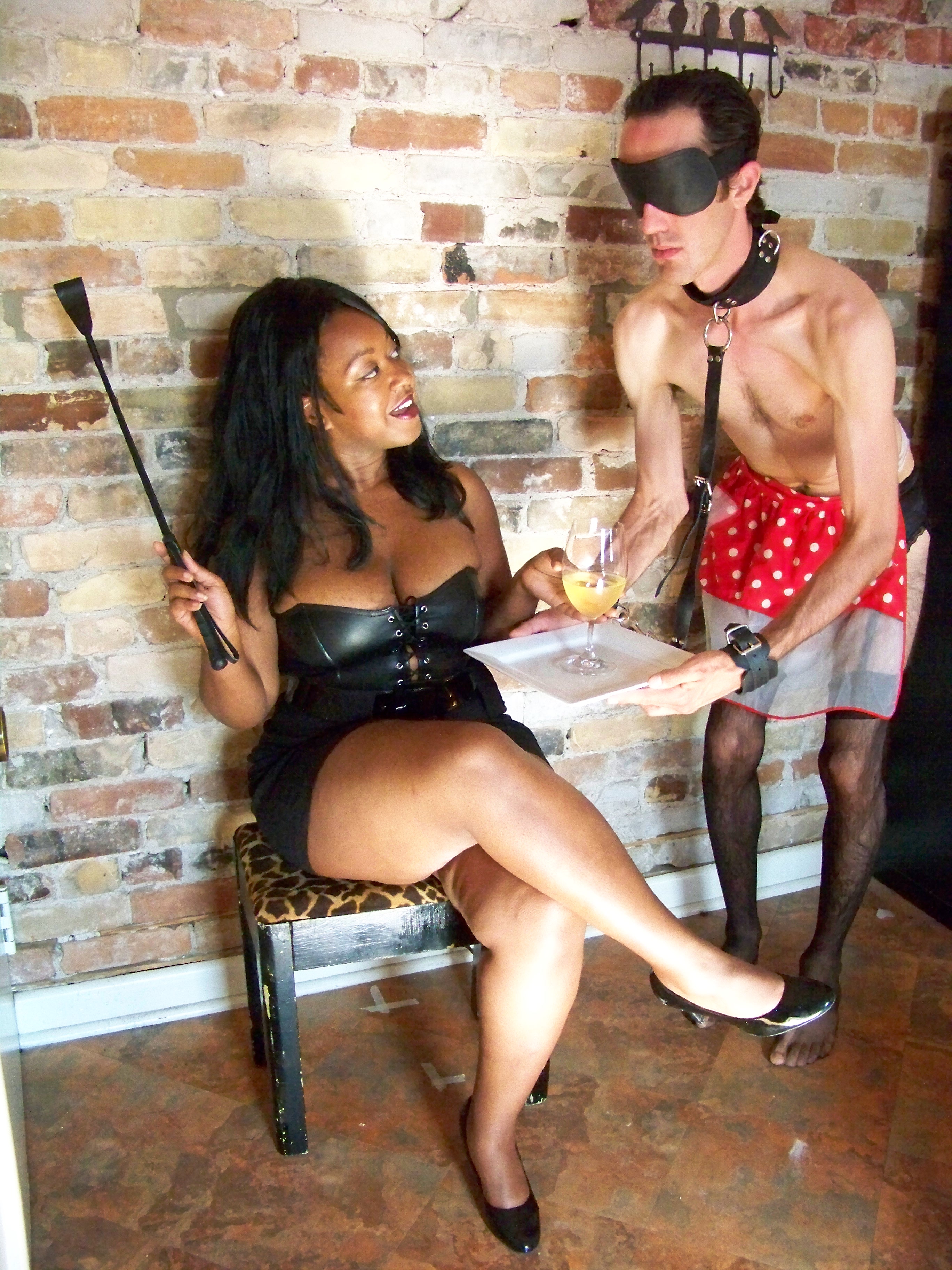
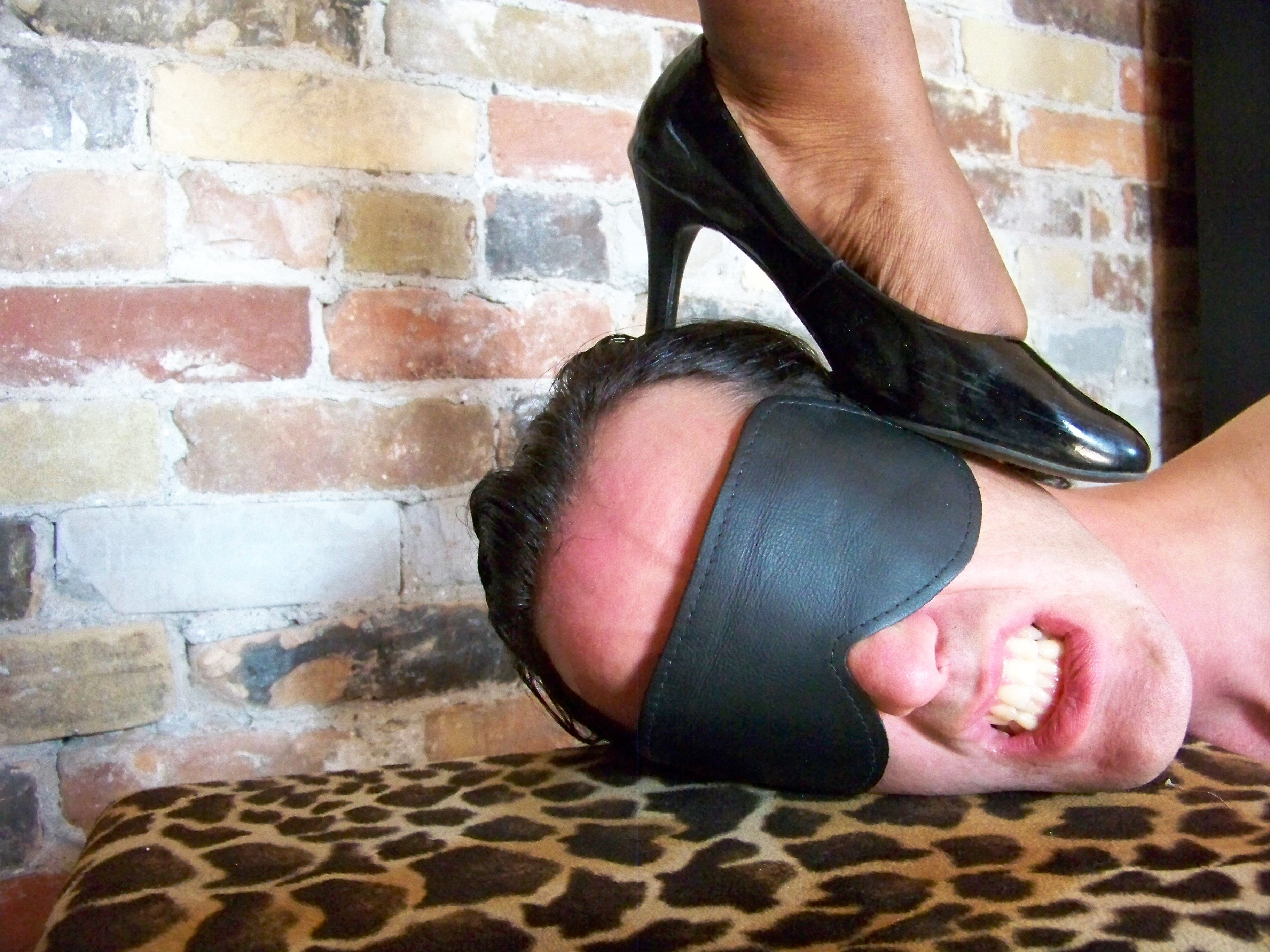
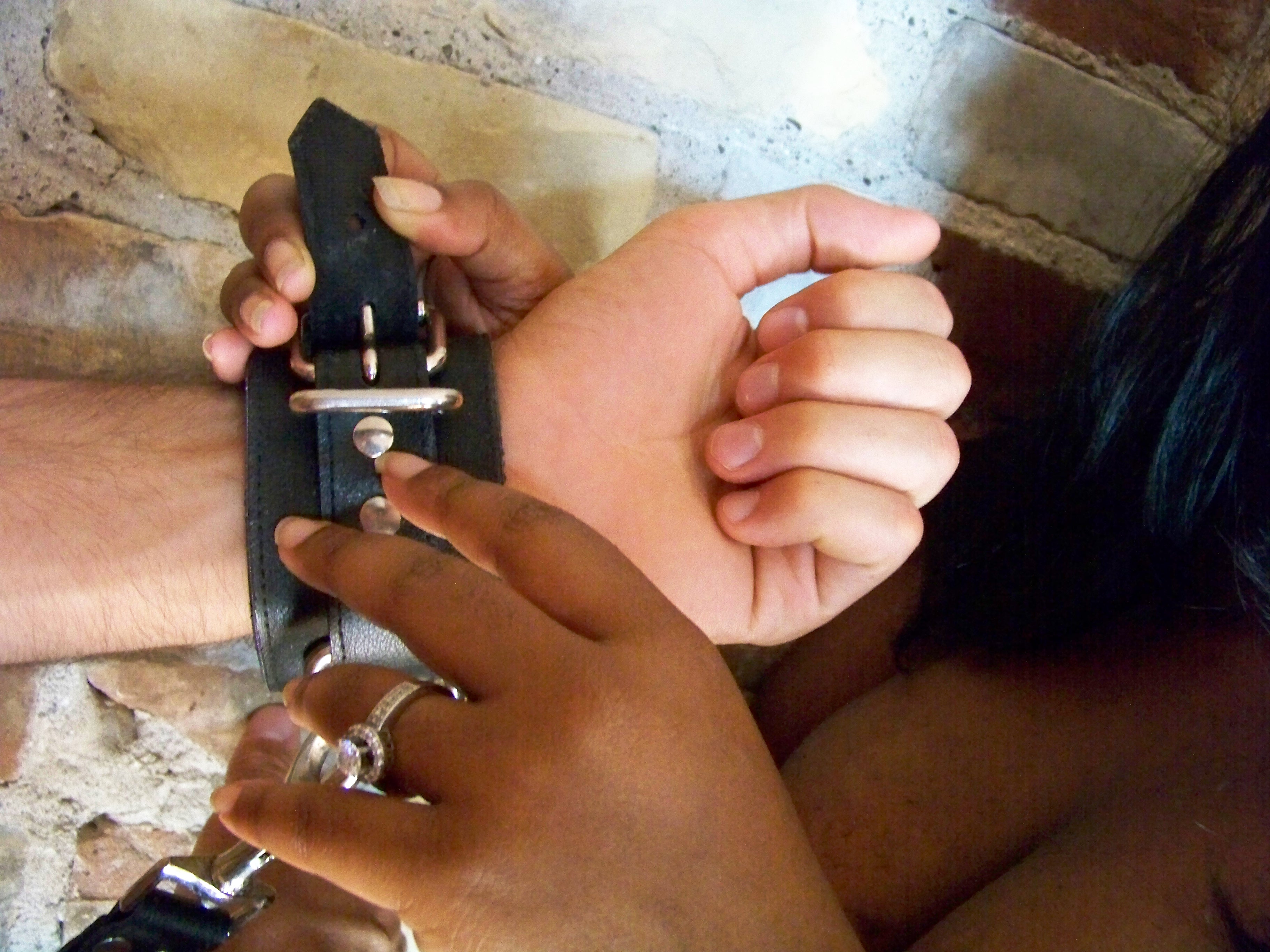
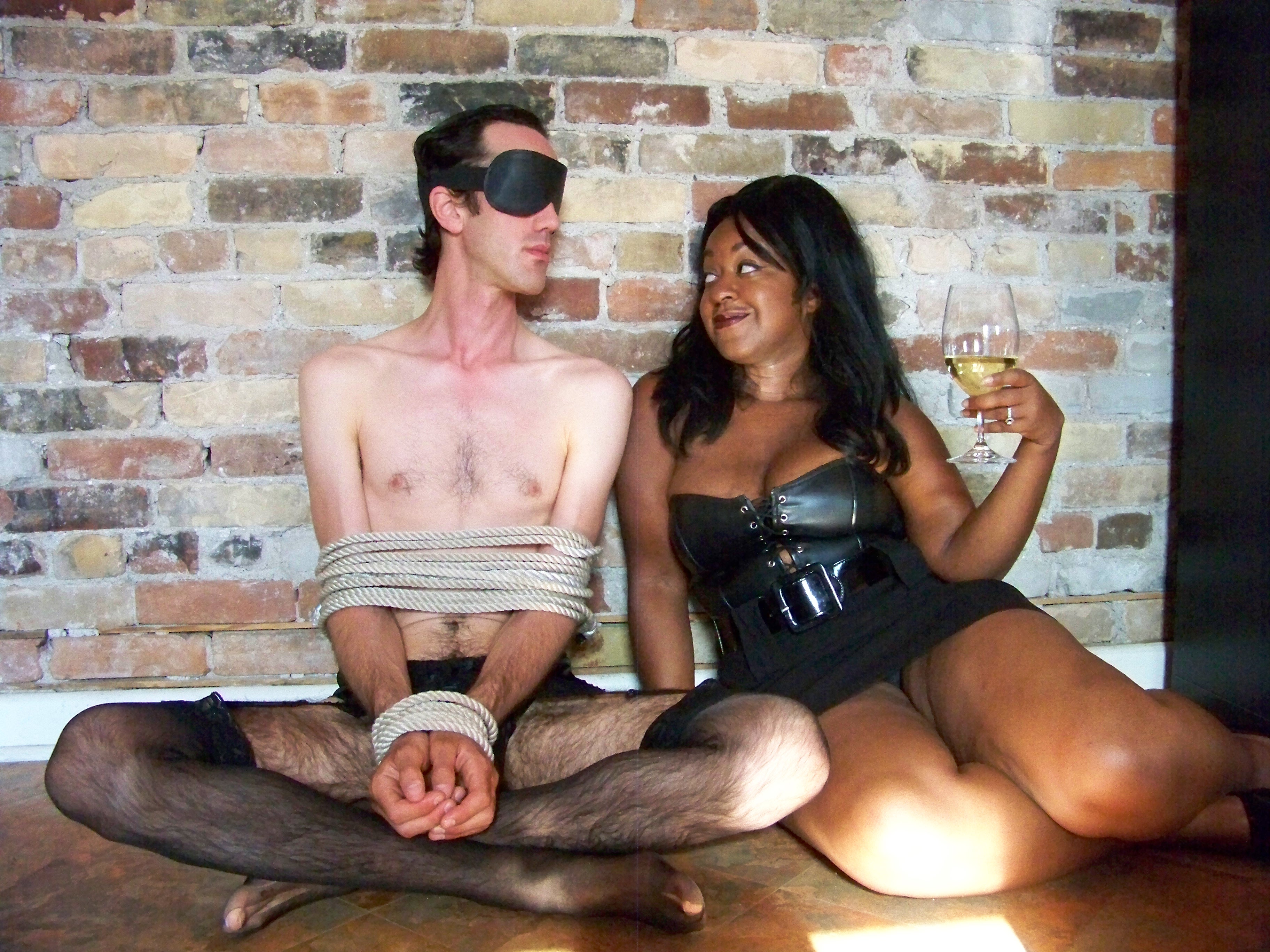
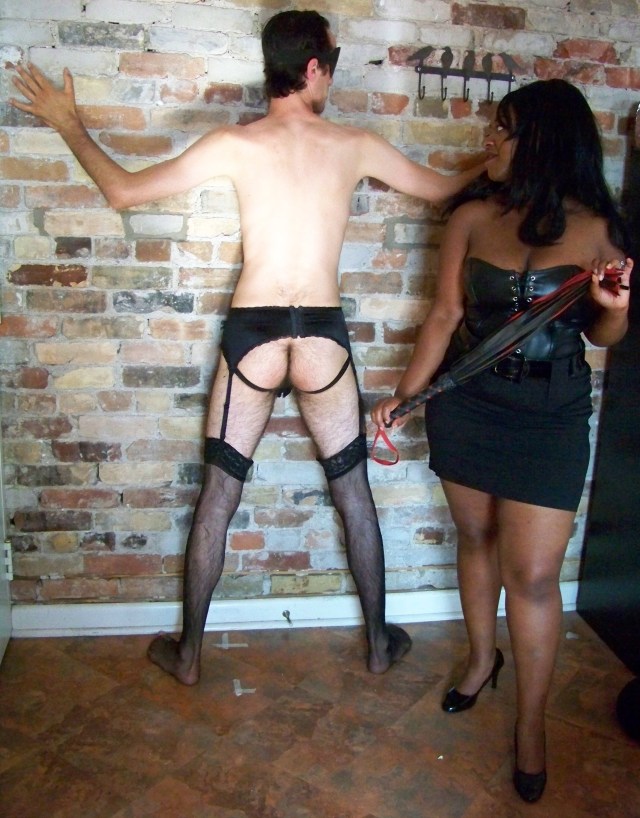
After two meetings we got to work and brought you a video workshop, book review, interview with famed erotica editor Rachel Kramer Bussel + a HOT and SEXY photo essay, and today: Coco reading from She’s On Top.

Enjoy!

COCO LA CRÈME is a dazzling shaker and maker who performs burlesque both as a solo artist and with Skin Tight Outta Sight.  She has a reputation as a go-go dancer of legendary stamina and sex appeal.  CoCo teaches burlesque at the Good For Her sex shop, is a published poet, has moderated the panel at the Feminist Porn Awards for the past six years, and writes a columnLove Coco at http://www.metanotherfrog.com.

Posted in Uncategorized | Tagged , , , , , , | Leave a comment

SHE’S ON TOP: CELEBRATING EROTIC WRITING: INTERVIEW WITH RACHEL KRAMER BUSSEL + PHOTO ESSAY OF COCO LA CREME PLAYING TOP TO A VERY WILLING BOTTOM

Rachel Kramer Bussel is the editor of the book She’s On Top as well as over 25 other erotic anthologies including Spanked, Bottoms Up and The Mile High Club.  Rachel also writes the bi-monthly sex column The Lusty Lady for the Village Voice and is the senior editor at Penthouse Variations.  As an erotica writer, Rachel’s work has appeared in over 100 anthologies including Best of the Best Lesbian Erotica 2 and Best of the Best Women’s Erotica.  Three of her books have won Independent Publishers Awards and she continues to write and produce thoughtful, sexy and salacious erotica at an amazing rate.  This week Rachel graciously agreed to be interviewed by sex educator CoCo La Creme. 

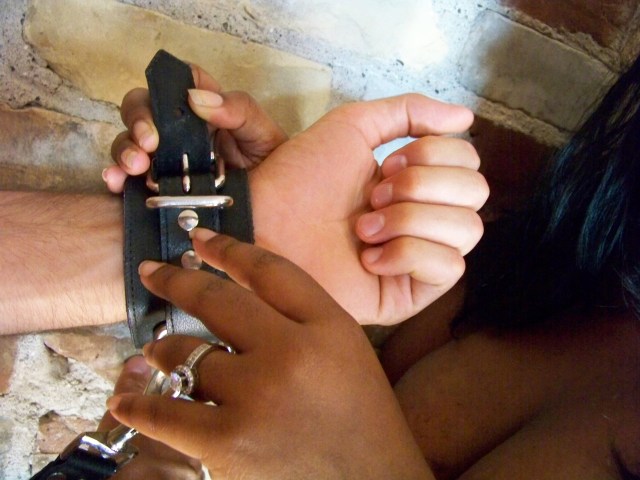
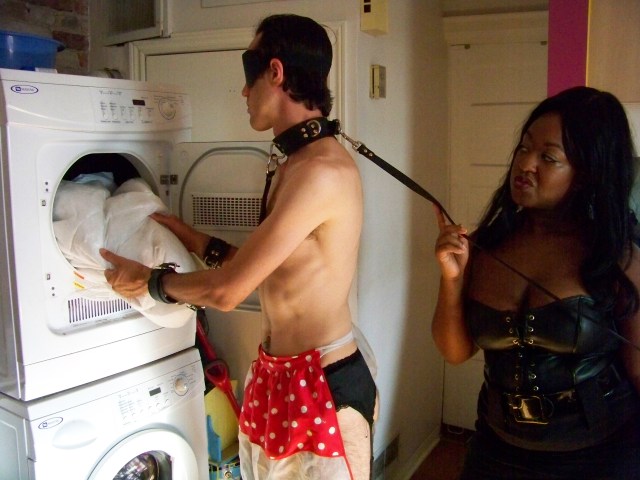
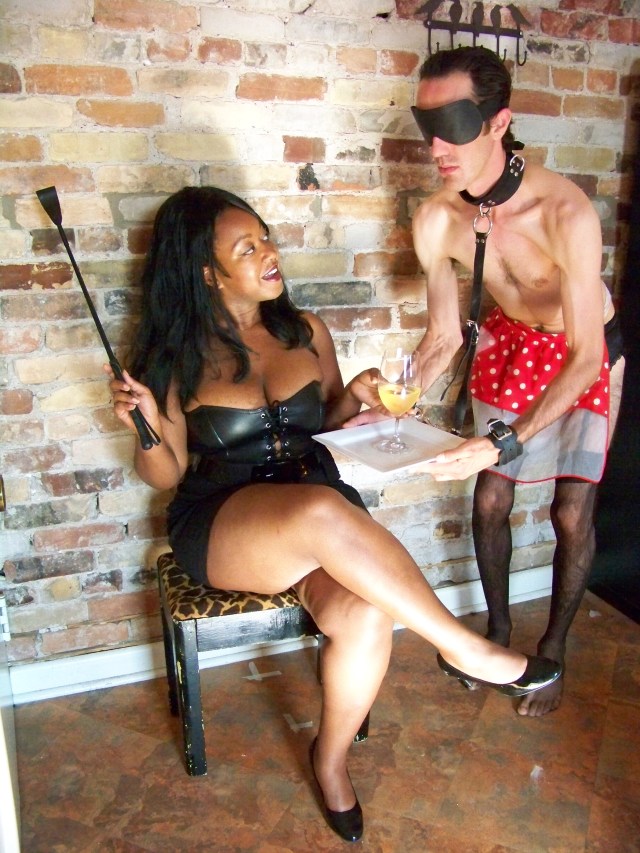
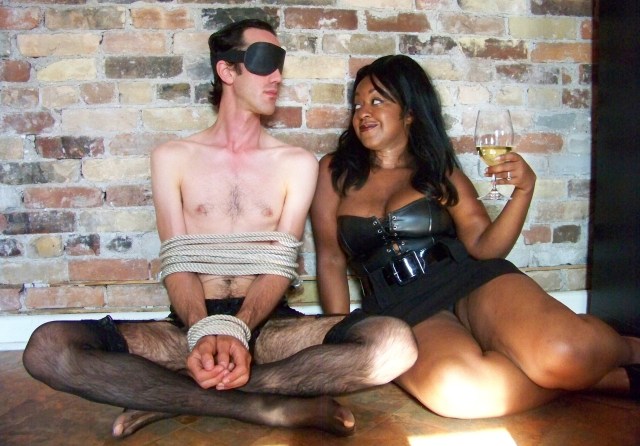
All photos of CoCo La Creme and her very willing bottom taken by Jorge Antonio Vallejos.

CLC: Why Erotica?

RKB: The short answer is because I found that I liked it and was good at it. The first erotica story I wrote was called Monica and Me and got published in Shar Rednour’s anthology Starf*cker and Tristan Taormino’s anthology Best Lesbian Erotica 2001. That early validation was so thrilling for me and showed me that the ideas in my head could translate onto paper. From there I started writing more and more, and I think part of it is that I like to do things that come easily to me, and erotica has, for the most part, since the beginning. But it’s also that the erotica market is made up of so many short story anthologies, and that was accessible to me as a beginning writer. I didn’t have much experience with fiction but I’d read lots of erotic stories and thought, “I want to try this.”

I’m pretty sure that’s how a lot of people come to erotica (and other genres), and what I love about it is that you could submit a story today and a year from now it’s in a book. That’s still exciting and I’ve kept up with it because I’ve found ways to recreate that initial thrill; I feel that every time I open a box of my books and marvel that the covers that looked so beautiful on my computer screen look even better in actual print. I just got a Nook and am enjoying it, but to me there will never be any reading experience that can rival holding a book in my hands. I’m the kind of person who reads everything—the copyright, the blurbs, the back cover, the acknowledgments. I love books, and so getting to work on them and keep innovating and keep publishing new authors as well as ones I’ve worked with extensively is as exciting as it was the first time.

CLC: Who are your influences?

RKB: Susie Bright first and foremost, because her Best American Erotica series was the first erotica I ever read, and my biggest honor has been being included in several of her anthologies (and she was the guest judge of my upcoming anthology Best Sex Writing 2012, out in January). What I also greatly admired was that Susie covered both fiction and nonfiction in her work, and while one was clearly erotica and one clearly personal essays and sexual politics, she worked and works in both arenas, and for me I can’t imagine doing only one or the other. I love writing erotic fiction, and often find I can tell truths in that form that in nonfiction sound dry and dull, but nonfiction is my true writing love. So Susie has been such a role model for me on many levels.

And Tristan Taormino as well, both for her pioneering work in the erotica field as well as editing a book about zines to her business savvy, and also straddling various fields, from porn directing to sex education to writing and editing. I have learned and continue to learn so much from Tristan. I don’t think it’s a coincidence that both these women are ones I admire on many levels, and I think it’s because they live their feminism and their belief systems thoroughly. I admire anyone who can make their art part of their life and their life part of their art without sacrificing a fundamental part of themselves.

And more broadly the whole community of the sex world that I discovered, via reading and exploring, from around 1998 on, when I moved to New York. I love meeting authors who I’ve published in person and getting to put a face and voice to their words, such as I recently did in London. The fact that there are so many talented, prolific, extremely creative people in the erotica world, and more joining us all the time, inspires me greatly. I learn a ton from reading the work that’s sent to me; for instance, in Best Bondage Erotica 2012, out later this year, there are two stories about self-bondage! I didn’t even know that was a thing, and while it’s not my personal thing, those stories were both outstanding and made me think about the topic and people’s motivation for being into bondage in new ways, and I hope they do that for readers as well.
CLC: You are very prolific.  How do you continue to find new inspiration and fresh ideas?

RKB: I’m often inspired in unexpected ways from unexpected sources. Rarely when I’m sitting down to write or, say, googling something specific do I come up with a story idea, but it’s in hearing about friends’ lives, reading the news and blogs or just walking and browsing or watching movies that I find inspiration. It’s not always so direct, though sometimes there’s an image or event that prompts a story, but usually it’s a topic and a spark of an idea that converge. I wrote a story called Bed-In that was inspired in part by walking by fancy furniture stores and in part by John and Yoko’s famous bed-in…in this case, it’s about models hired to pose in a bed in a window on full display.

CLC: What about your anthologies?  What kind of process do you go through to come up with an idea and create a cohesive collection?

RKB: I try to think about what’s not on the market, or what I could cover in a new way, or a topic that is near and dear to me and popular with readers, like spanking, and then I bring the idea to my publisher (Cleis Press, though I have worked with other companies as well) and once we settle on a topic that we both find valuable, I put out a call for submissions and try to disseminate that as widely as possible. Authors then have a few months to send in stories, and ideally I will be reading them as they come in so that I can start making early selections and seeing how the anthology will be shaped. There was one instance where we simply didn’t get enough submissions that met my vision for the book, so we didn’t put that one out. I’m pretty reliant on authors to hone in on the types of stories I’m looking for, but also to surprise me. With my anthology Orgasmic, I got lots of submissions about sex toys and the G-spot, both great topics, but the ones I find most memorable were about chemistry and horse riding, probably because I know almost nothing about either topic but was still drawn into those stories.
CLC: Your anthologies usually cover a very specific theme.  Does that make it more or less difficult to curate submissions?

RKB: A little easier and a little more difficult. The easy part is that I can hone in on a specific topic, like bondage or spanking, and see such a range of approaches and takes on it. The challenging part is that because they are often such narrow topics, there can be a lot of overlap in what gets sent in, and maybe I really like two stories but if they are too similar to one another, I can’t use them both in the same book because it would be redundant. I might have another book I can publish one of the stories, but that is one of the challenges of writing to a themed anthology, and the more you can think outside the box, the better, like the story Wing Walker by Cheyenne Blue in The Mile High Club: Plane Sex Stories. That took the topic of plane sex and shifted it in a sexy, thrilling way.

CLC: As a woman of color I often hope to see myself represented in erotica but it usually doesn’t happen unless the collection is specifically about black women.  I know you’ve talked before about wanting to see more diversity in the submissions you are sent.  Can you comment on how submissions skew and why you think that may be?

RKB: As an editor I’m largely at the mercy of the stories that I receive, though I will sometimes seek out specific kinds of stories from authors I know can turn around a high-quality story quickly. I try to create a range of stories, and that includes everything from race to age to storytelling styles; I prefer a mix of present and past tense, first and third person.
CLC: How is your work and process feminist?

RKB: That’s hard to quantify, but I think the short answer is that I’m a feminist, and I think I bring that sensibility to my work. I don’t want to say “X story is feminist because…” since that can be a slippery slope, but I do think the fact that I write about strong female characters, who are often kinky, often bisexual, often bold and brave and outspoken, is a way of talking back to the idea that women shouldn’t be any of those things.

CLC: Are there times when being a feminist has worked against you or caused a conflict as an erotic writer/editor?

RKB: I can’t think of an instance where being a feminist has worked against me. I don’t necessarily expect every story I select for every anthology to conform to my or someone else’s idea of what “feminism” is, although I don’t include stories that are non-consensual or that I feel are misogynistic, but I haven’t faced any problems or opposition in that regard.
CLC: Are there times when it has been an asset?

RKB: I think so, in the sense that my main publisher, Cleis Press, is a longstanding feminist-run press, and I also work with Seal Press, which is also feminist. I don’t think they wouldn’t work with me if I didn’t identify as feminist, but I enjoy working with both of those presses because I want to read almost their entire catalogs (and do read most of their output). I enjoy working with businesses whose work I support and where it’s a collaborative and mutually beneficial process, whether that’s publishers, venues where I hold events, vendors I use for things like promotional book postcards, etc.

CLC: The publishing industry has had a hard time of it lately.  How has that affected erotic books?

RKB: I don’t know how it’s affected the genre as a whole, but certainly ebooks are changing the landscape for all kinds of books and especially erotic material. I haven’t noticed any decline in sales attributable to the economy, and I think for people who read, perhaps they’re becoming more discerning, but they are still reading. I think books will always be around, but there’s more onus on authors to get out there and market themselves, and lots of people are doing an amazing job of it. In September, the Erotic Authors Association is holding its first conference (http://eroticauthorsassociation.com/EAA/conference/about-the-conference/); I’m speaking on 3 panels and also co-hosting a reading with an open mic portion on September 9th, so I think that’s a sign that erotica is still thriving.

CLC: We usually like to keep our fantasies secret.  I know you’ve hosted some public readings of erotica.  What happens when you bring the private into a public setting? 

RKB: I ran an erotic reading series called In The Flesh for five years, and I think there is a very different feel to reading erotica or sexual nonfiction in private and reading it or having it read to you in public. You can’t hide your reactions live, and there are pros and cons of that. One of the most popular segments I hosted was called True Sex Confessions, where audience members also had the chance to participate by anonymous sharing their brief sexual anecdotes on index cards. I think even though sex is treated as a private topic, it’s one that also brings us together and there’s a universality to our experiences; even if the details are different, everyone’s had a first sexual moment or been nervous about sex or whatever, and I think the biggest thing I learned was how much people simply appreciate having open, safe spaces to share sexual thoughts.

One of my favorite memories was early on, when my friend Jessica Cutler read and then “re-enacted” flinging her tampon into the crowd. Unfortunately we don’t have that on video. I also loved The Burlesque Handbook author Jo Weldon giving a pastie-twirling lesson that involved a topless man.

CLC: What can we look forward to seeing next from you?

RKB: I have lots of books on the way, and several I’m presently editing, with September 1 deadlines (you can find my calls for my erotic spanking anthology and my bisexual women’s anthologies at the following URL, and there are more on the way: http://lustylady.blogspot.com/2011/08/my-two-current-calls-for-submissions.html).

In the immediate future, I have Women on Top coming out in late October/early November, and Best Bondage Erotica 2012, and in the nonfiction department, a book that’s very near and dear to my heart and I hope will appeal to feminists, sex nerds, political junkies, queer people and anyone wanting to learn about the varied world of sexuality and culture, from SlutWalks to elder sex to the Meatpacking District to being kicked out of the military for being gay to what it’s like to be a sex worker.
CLC: Any last words?

RKB: If you think you want to write erotica (or anything else, for that matter), do it! You aren’t under any obligation to show it to anyone, and what comes out might surprise you.

CLC: Thanks for the fabulous interview Rachel!

Be sure to keep up with Rachel’s adventures in the world of erotic publishing.  You can check her out at http://www.rachelkramerbussel.com  and read her blog at http://lustylady.blogspot.com

COCO LA CRÈME is a dazzling shaker and maker who performs burlesque both as a solo artist and with Skin Tight Outta Sight.  She has a reputation as a go-go dancer of legendary stamina and sex appeal.  CoCo teaches burlesque at the Good For Her sex shop, is a published poet, has moderated the panel at the Feminist Porn Awards for the past six years, and writes a column Love CoCo at http://www.metanotherfrog.com.

Tune into BlackCoffeePoet.com Friday August 24, 2011 for a video of CoCo La Creme reading a story “She’s On Top” while topping a very willing bottom. 

Posted in Uncategorized | Tagged , , , , , , , , , , | Leave a comment

SHE’S ON TOP: CELEBRATING EROTIC WRITING: BCP AND COCO LA CREME TALK EROTICA + REVIEW OF “SHE’S ON TOP”

She’s On Top

Edited by Rachel Kramer Bussel

Reviewed by Coco La Creme

When I was asked to review She’s On Top for blackcoffeepoet.com I felt like quite the lucky girl indeed.   Read a book full of sexy stories and write about it? 

Uh, yes please! 

Having read Cleis Press collections in the past I knew to expect strong storytelling with a sharp erotic edge.  What I did not expect was that She’s on Top, a collection of stories about female dominance and male submission put together by star erotic editrix Rachel Kramer Bussel, would make me examine the subject of female dominance in a whole new way.  From beginning to end this book is packed with stories that titillate and provoke the mind just as much as they do the tender parts below. 

Exploring themes of feminism, sex work, communication and relationships from a dominant female perspective, She’s on Top places compelling characters into relatable dilemmas.  What kinky person can’t relate to the frustration of having a partner who won’t come clean with their desires?  The toxicity created when communication and honesty are lacking in a D/s relationship is laid bare in the story His Just Rewards written by the editor herself.  As the main character metes out the final punishment to a submissive that she no longer loves, or respects, her helpless rage at the wasted potential of their relationship is palpable. 

The above story stands in contrast to the humourously presented dilemma of the couple in The Queening Chair whose love for each other overcomes the fact that they are both hardcore dominants who must, for the most part, get their sexual needs met outside of their partnership.  Both stories are vivid and unabashed in their descriptions of kinky sex but while they’ll each have your hand sneaking below your waistband, the issues they explore will linger on long after the orgasmic bliss subsides.

Also noteworthy is the number of stories examining sex work and the different perspectives that they offer.  In The Mistress Meets her Match by Kristina Wright we meet Kate a professional Domme who is happy in her work but unfulfilled in her personal life.  The sex she has with her lover Stephen is flat and passionless until he helps her realize that in trying to create the necessary separation between sex life and work life she is cutting out too much of herself.  When she accepts that the kinky play isn’t just for her clients to enjoy their sex life soars to new heights. 

In contrast, the professional in Room 2201, by N.T. Morley, is keenly aware that her clients help satisfy her own need for adventure.  She delights in taking them right to the edge and even gets her own bisexual lover in on the fun.  Finally, there is the privileged and curious college student in Shades of Red by Lisabet Sarai, who decides to experiment with sex work by renting a window for a night in Amsterdam’s Red Light District.  Her experience dominating a novice trick is just as much a revelation for her as it is for him.  Financially unconstrained she is free to use sex work as means to act out and discover her own desires.

There is so much more that this collection has to offer.  Lisette Ashton’s Victoria’s Hand in which a 19th century society girl humourously puts her future husband in his place.  The workplace dalliances of Suit and Tie by Donna George Storey as well as Pinch by Tara Alton which are encapsulated by necessity but no less intense for their short duration.  The domestic bliss of the couple in By a Firm Hand by Debra Hyde in which the wife delights in humiliating her pantywaist husband and they both look forward to her becoming even more wicked as they happily grow old together. 

The authors selected for this collection while disparate in fetish, storytelling style, and tone, nevertheless have one thing in common: the keen desire and ability to explore the female dominant mind.  To present honestly the drug-like rush that results when you realize that a vulnerable and trusting human being has revealed to you their darkest desires.  The responsibility that is felt towards a submissive who has given themselves completely over to your hand to pleasure and punish as you see fit.  The dire consequences and incredible rewards of pushing yourself to the absolute limit in the pursuit of ultimate sexual fulfillment.  And, of course, the humour and silliness that is just as much a part of BDSM as the pleasure and the pain. 

If you want to see where it is possible to go, how deep and dark the waters can get, then take the time to savour this collection.  These women are dominant, unapologetic, and deliciously sex.  These stories can be enjoyed by both tops and bottoms.  Inspire your own sex life with the cerebrally sexy She’s On Top.

COCO LA CRÈME is a dazzling shaker and maker who performs burlesque both as a solo artist and with Skin Tight Outta Sight.  She has a reputation as a go-go dancer of legendary stamina and sex appeal.  CoCo teaches burlesque at the Good For Her sex shop, is a published poet, has moderated the panel at the Feminist Porn Awards for the past six years, and writes a column Love Coco at http://www.metanotherfrog.com.

Tune in to BlackCoffeePoet.com Wednesday August 24, 2011 for an interview with Rachel Kramer Bussel and a photo essay of Coco La Creme dominating her slave. 

Posted in Poetry | Tagged , , , , , , , , | Leave a comment

BLACK COFFEE POET READS “THIS IS WHY I WRITE”

I applied to an MFA in Creative Writing program in 2009.  Hundreds apply to this program and I made the wait list.  It was encouraging but it wasn’t an acceptance.  

I was honoured to be put on a list that was one step away from entering but of course I  wanted more.

No one dropped out; “more” didn’t happen.

I decided to make something happen: blackcoffeepoet.com, my own MFA program.

The video below is my letter to the MFA program which outlines why I write.

My words are my weapons.

Enjoy!

Tune into BlackCoffeePoet.com Monday August 22, 2011 for “She’s On Top Week: Celebrating Erotic Writing!!!!

Posted in Poetry | Tagged , , , , , | 1 Comment