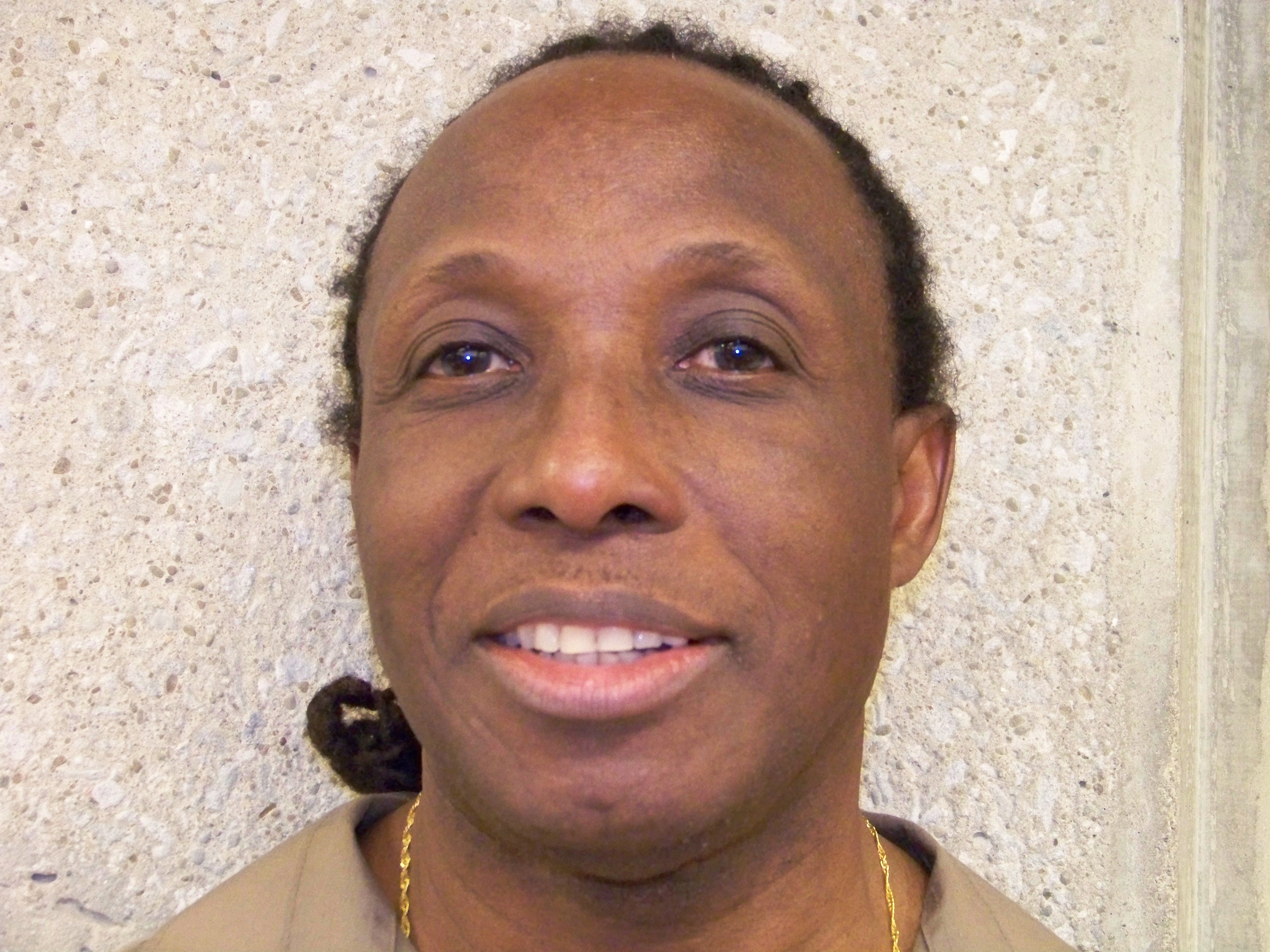
INTERVIEW WITH TORONTO SINGER SARAH GREENE

Sarah Greene is a Toronto based poet and singer/songwriter who hosts an open mic nitght at the Tranzac Club once a month.  

Her new CD Toronto Blues is a mix of different genres that explores the ups and downs of life.

Check out what Greene has to say about writing, music, and Toronto life. 

BCP: Why poetry and song?

SG: For me it was poetry first and then song. My poetry always leaned to the lyrical side of things, and one day I took a poem I had written and put it to music. But now that I write more songs than poems, I’d say that I’m more of a lyricist than a composer.

BCP: What is your process?

SG: I usually wait until inspiration hits me, often when I’m out for a long bike ride or walk.  I wish I could be more workmanlike about it, and sit down and get to it, but so far it hasn’t worked out that way. I think our minds do a lot of work for us while we’re not consciously pushing for anything. But after that initial verse or chorus comes to me, I do work at the rest of it, figuring out the chords on the guitar or piano, and sometimes bouncing ideas off of friends.

BCP: How long have you been writing poetry and songs?

SG: I started writing poetry (and actually, probably songs) as a kid, maybe before I could even write anything down that was coherent. I went to an alternative school, and they encouraged us to tell stories. But the first song I ever wrote was in Israel in 1998. It was a simple song about wanting to fall in love with a stranger without ever meeting them or talking to them.

BCP: Who are your influences?

SG: I listen to a lot of contemporary songwriters these days, but I think that what gets us early stays with us – I still remember most of the words to Leonard Cohen’s Suzanne. My dad used to play Paul Simon and Carole King in the car, and our basement was full of his old Beatles records. My older brother got me on to Bob Dylan, the Velvet Underground, old blues and independent Canadian music. I was obsessed with Eric’s Trip then, and I’m still a big Julie Doiron fan. Jonathan Richman’s been a big influence for me as well, and I love watching people discover him for the first time.

BCP: Your songs are honest and get the listener thinking. What do you try to convey to your audience?

SG: A friend told me recently that lyrics should be true, but she didn’t mean literally true, and I agree with her. You know when you write something down, or speak it or sing it, if you aren’t being completely honest. That said, I don’t want to dump a bunch of my baggage onto people. What I mean is, just because something is true doesn’t mean you have to share it. All writing has some editing in it, and some fabrication. If I can convey to the listener that it’s okay to go through darkness, and to come out, and to feel and express things, joyful feelings too, then I’ll feel like I’m doing a good job.

BCP: In It’s A Life you sing the Yiddish word “L’chaim” which means “to life”. Does your spirituality play a part in your writing?

SG: I’m actually singing “It’s a life, and it’s worth living” though “l’chaim” would make sense. I come from a mixed religious background, and my ideas and feelings about spirituality keep changing. I think some of my early poetry had a spiritual aspect, but it’s only recently that it has come up in my songs. That song in particular is about coming through a dark moment in time.

BCP: Do you see song as a form of prayer or ritual?

SG: For me, and probably for a lot of musicians and music lovers who don’t belong to a specific religious community, making music and listening to music stands in as prayer or ritual – I think regular visits to places like the Tranzac in Toronto have transported me, music can take you outside of yourself. Singing is also powerful, when you are doing it your whole body resonates – it’s still mysterious to me.

BCP: You shared your poetry and songs at the Brockton Writers 17 reading series in April, 2011. Do you participate in many readings and open mics?

SG: I host the open mic at the Tranzac once a month, and I love it. It’s a great community, totally unpretentious, and there are always surprises. I used to host a literary reading at U of T, and I still fill in from time to time at other similar events. I like going to readings and just listening, too.

BCP: Why the name Toronto Blues for your album?

SG: Toronto Blues is the name of one of the songs on the album, it actually started out as a bit of a joke from a friend who was commenting on my complaints about Toronto. I had just come back from Halifax, and I was pretty sad, I missed living in a smaller place. Toronto has a lot of great things to offer, but when you’re lonely, poor and struggling, it can be hard.

BCP: You mentioned that radio stations look at your album name and place it in the Blues pile. Is this still a problem? Do you wish you named the album differently?

SG: I think I knew that that might be a problem, but if they listen to it at all they can hear it’s not a blues album. Blues has different meanings. I don’t regret the name, and I still like that song.

BCP: You sing about everyday things: love, loss, celebrations etc. Some songs seem real personal and they are songs that people can relate to. For example, Silly Summer Day is about friends liking each other and not wanting to go there. Many of us have experienced this. Do you aim to write about everyday things?

SG: I was really proud of that song, because I wrote it and (What’s with the) How Do You Do? the same afternoon. I guess I would say that I aim to transform material that starts out as personal into something more universal. For some reason I just tend to write about simple, everyday things.

BCP: Although it’s not a Blues album some of your songs seem to be influenced by the Blues, especially the last three songs on the album. Many artists have been influenced by the Blues. Can you see modern day music existing without the Blues?

SG: Modern music would have been totally different without the blues! It took me a number of years to realize how much the artists I admired owed to the blues, and I’ve been slowly working my way backwards and forwards again. I’m still learning the basics about playing various blues styles, but I understand the sentiment: it’s a humorous, matter of fact way of stating what’s wrong in your life, but also somehow seeing beyond that and getting through it. There’s acceptance in the blues.

BCP: What are you working on now?

SG: I’ve actually been working on a number of covers lately, slightly more uplifting stuff. I’m not sure what I’ll write about next, but I’d like to get a little further out of my own head when I do.

BCP: When do you expect to have your own collection of poetry published? When do you see yourself coming out with a second album?

SG: I think both might take a few years. Poetry tends to come in spurts for me, and I need to dedicate some time to reading poetry again and getting my mind thinking that way. It’s a dream I’ve had for a long time to publish a book of poems, so I guess I’m more patient about it now.

BCP: What advice do you have for other writers out there who are having difficulties with their writing, or who have yet to see their work in print, or who are afraid to perform their poetry and music?

SG: Oh, just do it. Make space for yourself to be inspired by the world, and it will happen. Separate your writing from your editing. As for performance, it gets easier every time. The first time I played guitar in front of people I thought my fingers weren’t working. We all need to test-drive things. Audiences are usually more grateful and forgiving than performers give them credit for.

 Tune in to Black Coffee Poet May 6, 2011 for a video of Sarah Greene singing a song for BCP.

Posted in Poetry | Tagged , , , , , , , , , | Leave a comment

TORONTO BLUES

Toronto Blues

By Sarah Greene

Reviewed by Jorge Antonio Vallejos

Sarah Greene closed the show last month (April 2011) at Brockton Writers Reading series # 17.  Starting out by reading some of her poems, Greene followed by picking up her guitar and singing the night away. 

One could say Greene sings folk music but after hearing her new CD Toronto Blues— often mistaken for a Blues CD because of the title—you see the ten tracks that make up Greene’s album are a diverse group of songs put together.

Whether seeing Greene live or listening to her CD you can feel the emotion she puts into her music.  Art is about expression and Greene sings it all out.

Good artists know how to relate to people.  Toronto Blues is about living in Toronto, or any city, and feeling the different emotions that come with life, and surviving the down times.  We all have bad days.  Some of us mope around, lay in bed, pray, hit the bar, call a friend, and all that; Greene writes songs about good and bad days and living through them. 

Love is a constant in Toronto Blues as it’s often intertwined with bad days.  Greene sings of being home and brokenhearted, feeling guilty in bed some mornings, and the feelings that often arise when two people become really close friends.

Silly Summer Day, a folky track, is one that many have lived.  Have you ever liked a friend?  Felt the switch from friend love to partner love?  Stayed quiet because you didn’t want to ‘ruin’ the friendship?  Greene sings of such awkward moments.  Why?  Because she’s probably been there.

“You think you can choose who you want to kiss,

You think that might change on a day like this,

You think you can make it go away,

But you can’t so you might as well just stay.”

True. Sad. Easier said than done.

In Johnny, Greene writes of a crush on an older guy who is “much too cool” for her.  The song starts out like something you’d hear in the film Dirty Dancing and then turns bluesy with a great sax solo taking over.  If Johnny is as sweet as the sound of that sax you can see why Greene is crushing.

A bike-ride at night is the cure for Greene’s tough time in It’s A Life.  A harmonica lulls the listener as Greene sings of a brokenheart resulting from seeing a guy kiss someone.  Tears run down Greene’s face as she moves forward peddling the pain away. 

“It’s a life,

and it’s worth living,

some times

are a little unforgiving.”    

Some of the songs in Toronto Blues sound a little too similar.  Many are about love and the everyday struggles of life. The best part of the album is last section which is straight up Blues.  Following in the tradition of Blues artists that have come before her, Greene invents her very own Blues song: Woodpecker Blues. 

Greene is no one-woman band.  Although she walks around town with a guitar, Toronto Blues is a group effort involving seldom used instruments like stomps, handclaps, and a ukulele. 

Greene ends the album with the title song.  At some point in life we all ‘sing the blues’ in different ways; check out how Sarah Greene does it.

Posted in Poetry | Tagged , , , , , , , , , | Leave a comment

LAZAH CURRENT SINGS FOR BLACK COFFEE POET

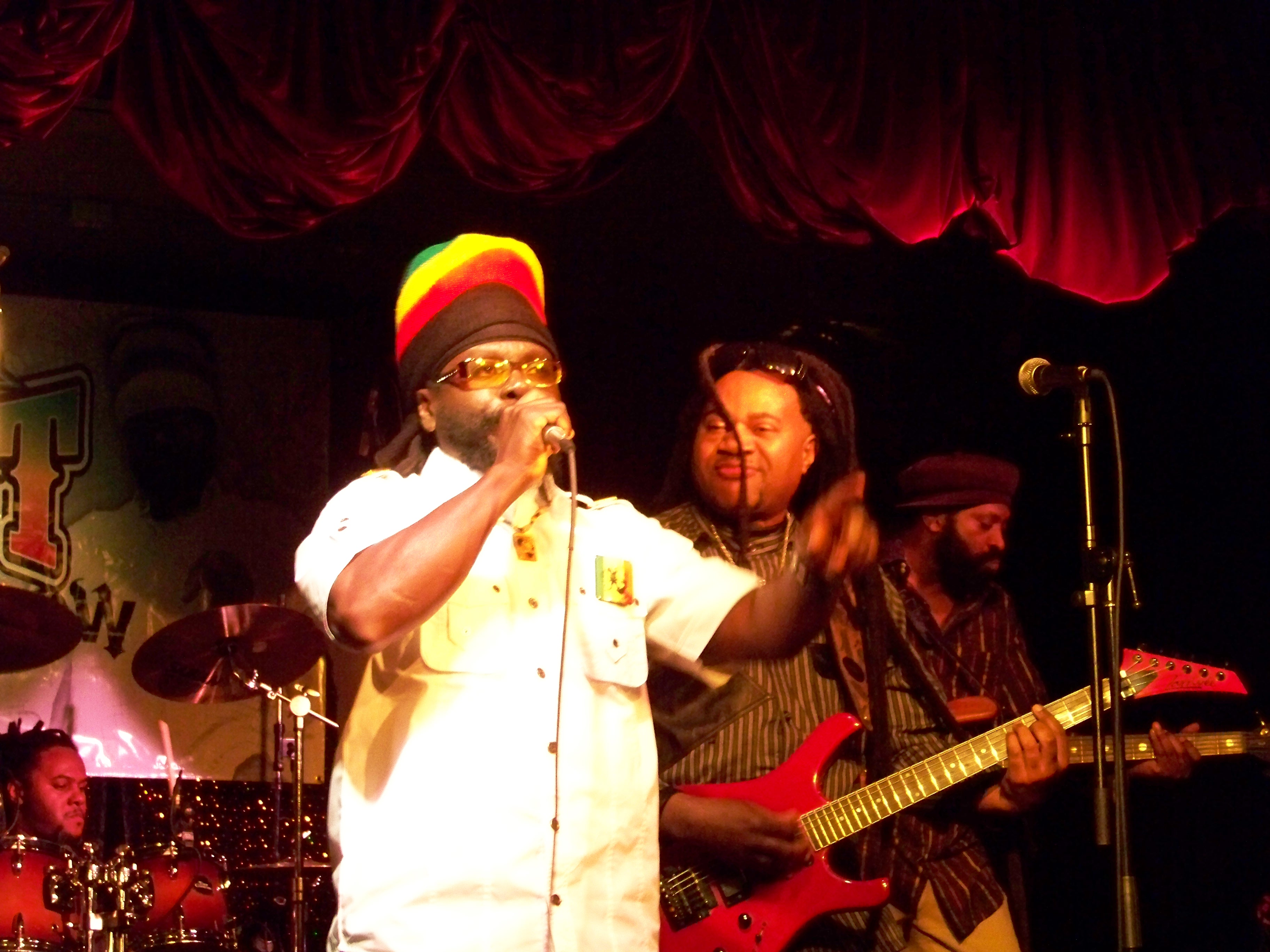
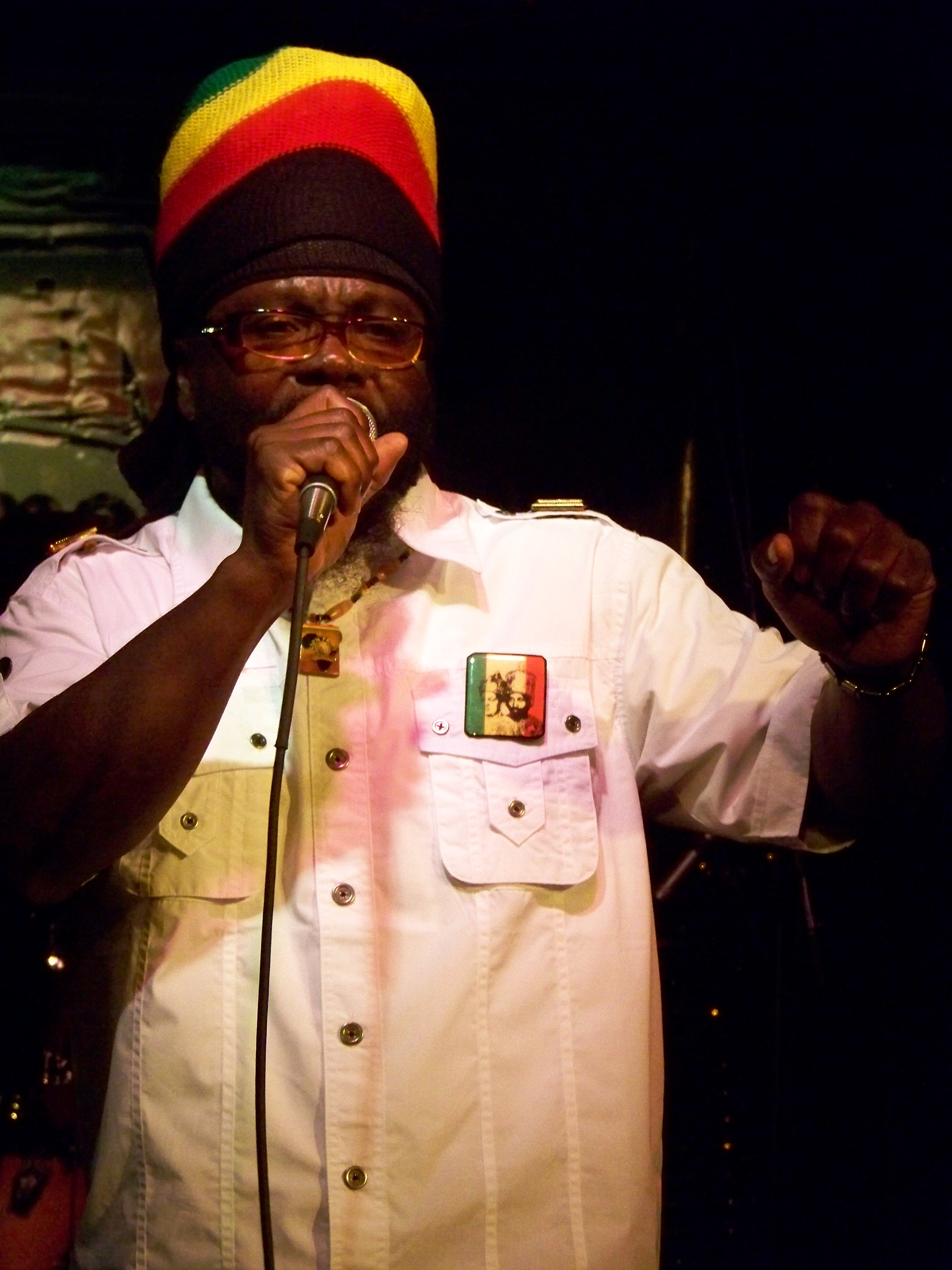
Meeting Lazah Current was a pleasure.  Seeing him on stage was just as fun.  Hearing him sing a special song for blackcoffeepoet.com was an unexpected gift that is much appreciated.  

Enjoy Lazah Current sing for Black Coffee Poet.


Posted in Poetry | Tagged , , , | Leave a comment

INTERVIEW WITH REGGAE SINGER LAZAH CURRENT

Lazah Current is a former member of Juno Award winning band Messenjah.  Growing up in Toronto, Ontario, Canada, Lazah has moved to Jamaica to pursue a solo career.  Recently releasing his a second album, Betta Tomorrow, Lazah is on tour doing concerts.    

BCP: Why Dancehall reggae?  

LC: I would not say that my music is dancehall reggae. I am more a sing-jay that does danceable and listenable music.

BCP: What is your process?

LC: If you mean the process in the creation of each track then it’s simply taking a rhythm, listening to it, formulating an idea, and then putting those ideas to paper. Ideas normally comes from everyday experiences.

BCP: How long have you been writing songs?

LC: I’ve been writing since about grade 10-11.

BCP: Who are your influences?

LC: RnB, Jazz, Rock, and of course reggae.

BCP: Please explain your stage name.

LC: Lazah Current means a spiritual light of musical energy.

BCP: Your songs are honest and provoke much thought.  What do you try to convey to your listeners?

LC: I basically would like to see and hear a sense of understanding among humanity with love being the central theme irregardless of race, and it is a challenge to those in society who are in the position to bring about a better world to do so unconditionally.

BCP: Does your spirituality play a part in your writing?

LC: Yes it does; my spirituality is the basis for all my songs.

BCP: Do you see song as a form of prayer?

LC: Yes, I would say that most of my songs are prayers formulated from the everyday injustices that I see happening in the world and my wish is to see a greater and a better future for all.

BCP: You have quite a bit of love songs on Betta Tomorrow.  Have you always been a romantic?

LC: Love is natural, life is natural, and love is the creation of life.  My love for a woman is very spiritual in nature; love transcends generations; the expression of love between a man and a woman has been ever since recorded history; I think that it is very romantic telling a woman that she is beautiful especially when it is expressed in a song.

BCP: The songs on Betta Tomorrow focus on change.  Is a lot of your music like that? How did you come about that consciousness?

LC: Yes, my music focuses on change as mentioned earlier. I believe that we are all born with a sense of consciousness, too many people however are material minded and that mindset will certainly lead one astray from their spiritual being. Nothing is wrong with being material minded but one also needs to be balanced spiritually.

BCP: Your lyrics challenge world governments.  In North America it is easy to critique government via song and poetry and get away with it.  You’re from a small island that has seen much political turmoil.  Do you ever fear that your music will get you in trouble?

LC: I only fear when I am contrary to that which is right.

BCP: Dancehall has a bad rep as of late.  Betta Tomorrow does not fall into the stereotype.  Are you purposely trying to show a new face to Dancehall?

LC: As mentioned earlier I don’t think my music is dancehall music. It is, I think, danceable music with concious lyrics that is thought provoking.

BCP: You used to sing Roots reggae with Juno Award winning band Messenjah.  Why did you stop?  Would you consider singing Roots music again?  Was it hard to switch from Roots to Dancehall?  Why the switch?

LC: I don’t think that there is a difference between my music now and Messenjah music so I don’t think that I have switched from one style to the next.  Roots music is lyrical and my lyrics represents roots.

BCP: What are you working on now?

LC: I am currently working on the promotion of the Betta Tomorrow album.

BCP: When do you expect to have a second album out?

LC: This album entitled Betta Tomorrow is my second album.  The third one will be release at the appropriate time; I have enough recorded songs for the third album.

BCP: What do you want North American listeners to get from you music?

LC: I would love for them to feel the love that I’ve expressed in all my songs.

BCP: What advice do you have for other singers/poets out there who are having difficulties with their art or who are afraid to perform art?

LC: I believe that one needs to study the business of music; one also needs to be serious if the art is a career choice sometimes sacrificing for your career choice might be the only way to achieve success.

Tune in to Black Coffee Poet Friday April 29, 2011 for a video of Lazah Current singing for Black Coffee Poet.

Posted in Poetry | Tagged , , , , , | Leave a comment

BETTA TOMORROW

Betta Tomorrow

By Lazah Current

Reviewed by Jorge Antonio Vallejos

Lazah Current, former member of Juno Award winning Roots reggae band Messenjah, has gone solo and is reaching great heights.  Recently performing to a packed house at Lula Lounge in Toronto (April 2011), Lazah Current launched his new CD Betta Tomorrow.  His positive lyrics of faith leading to solutions for our world’s many problems had feet and hips moving all night.

Rocking side to side, bending up and down, and gripping the mic tight as his intonations soared, Lazah Current showed real emotion as he sang his lyrics based on real life circumstances ignored by many musicians: poverty, corrupt governments, faithless people, destruction, and the solution to it all, love.

Sporting a beard, slick lenses, colourful attire, and a rasta head-wrap holding his locks, Lazah Current hid nothing on stage.  Reunited with, and backed by, former group members from Messenjah after many years, Lazah current sang nine songs that touched on everything from love to loss to hope giving the crowd a taste of what Betta Tomorrow is about.

Comprised of fifteen tracks, Betta Tomorrow is not only Lazah Current’s first solo project it is a switch in music genres.  Originally an old school reggae musician Lazah has ventured into the world of Dancehall.  But the former Roots musician has stayed true to his core—postivity.  With so much controversy around Dancehall music these days, Lazah Current has stayed away from oppressive lyrics and shines a new light on the genre that has seen big acts like Beenie Man and others banned from performing in North America.

The key to what Lazah Current believes is the solution to our world’s problems is part of three song titles:

Believe in Love

As We Make Love

No Love

Lazah Current not only believes in love he sings with love to his listeners.  His lyrics show how much of humanity lacks love and how when it is present it makes our world a better place.

In No Love Lazah current calls for “equal rights and justice for poor people.”  The title is self-explanatory.  With no love we are nothing, we live in negativity.  Like many reggae artists Lazah Current sings of Babylon: police and government and the state of inequality we are in currently as a human race.  “No love in their thinking, they deceive with their words,” sings Lazah Current of our politicians.  He challenges those in power with honest facts and questions as opposed to what he calls “blanket comfort” aka band-aid solutions provided by the state.   

Even Lazah Current’s love songs have a social conscious element to them.  In Hey Girl, a song about a man calling out to woman, Lazah Current has respectful lyrics that sing of love in a different form. 

“Hey girl!

Hey girl!

Can I talk with you for just a moment?

No negative intention,

Just want to know if everything is alright wit you” 

The woman being called out to has just lost her place and is a single mom.  “Landlord have no mercy so now you’re looking for a place to stay.”  With so many deadbeat dads and slumlords around, Lazah Current is singing of a reality that many can relate to.  Hey Girl is the opposite of a catcall.  There is no construction site like scenario going on.  It’s all about love, human to human, and the lack thereof in society.

The first fourteen songs lead to the final track and title song Betta Tomorrow.  Songs that take the listener through highs and lows end in what is the daily goal: “working for a betta tomorrow”.

“As the days go by

poor people a try

nuff a dem not get by

nuff a dem not rectify

political affiliations

dem na justify

poppa complain

momma a lot cry”

Through such poverty there are temptations to enter the underworld.

“The system will stress you

Evil thoughts might possess you

Babylon is like an insect

It infects you.’’

Still, Lazah Current’s songs remain positive: “I got the power to make the evil decline.” 

The highs and lows sung in Betta Tomorrow are also present in the tracks themselves.  Songs seven through nine could have been left out.  Lazah Current is at his best when singing about love in Lately, and positivity in Sunshine.  Like all good artists he opens himself up to his fans by sharing himself through his spirituality in Wordz and his personal life in As We Make Love.

Lazah Current not only believes in a positive future he’s helping make it happen with his new collection of songs Betta Tomorrow.

Posted in Poetry | Tagged , , , , , , , , , , , , | 1 Comment

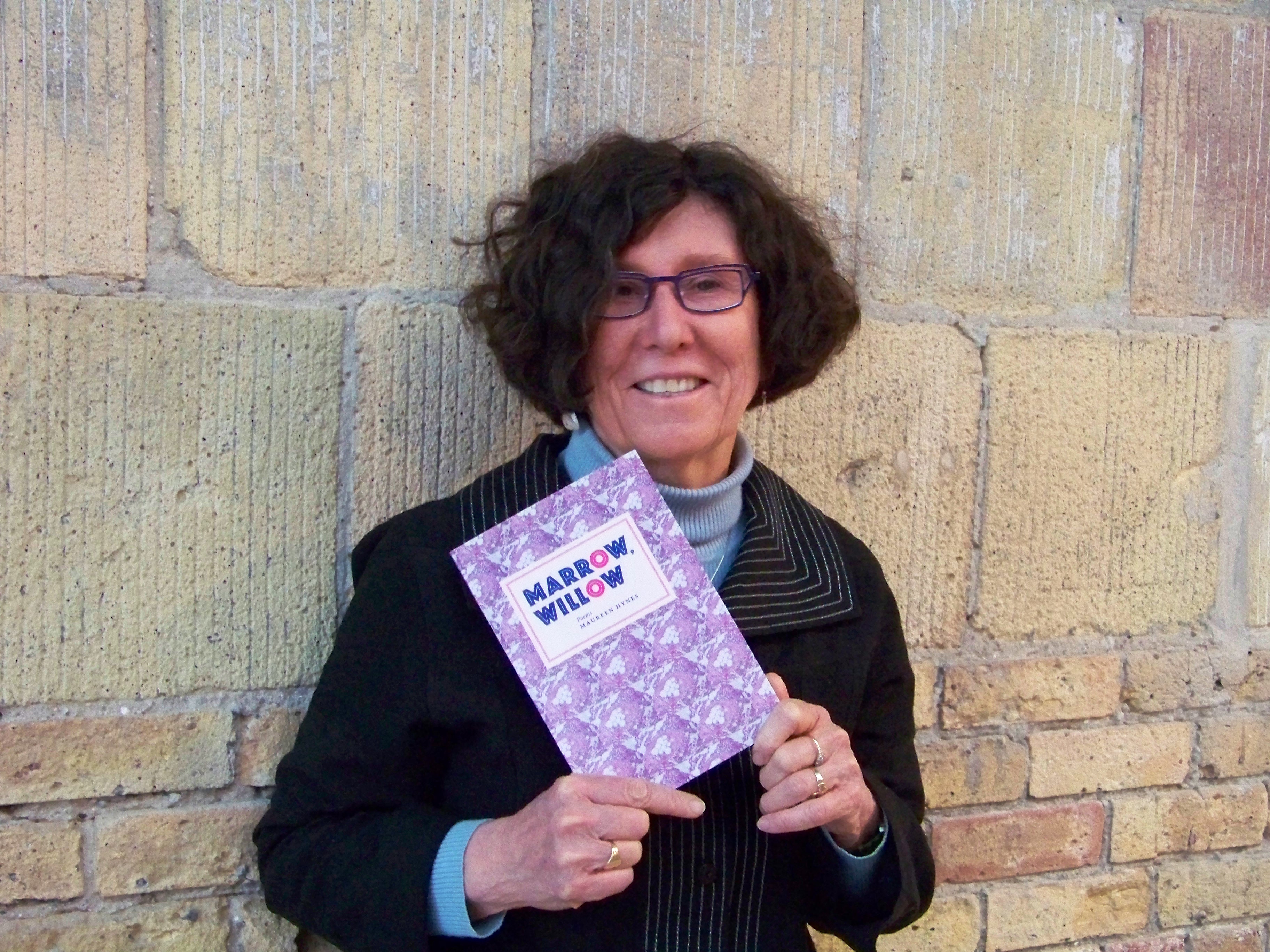
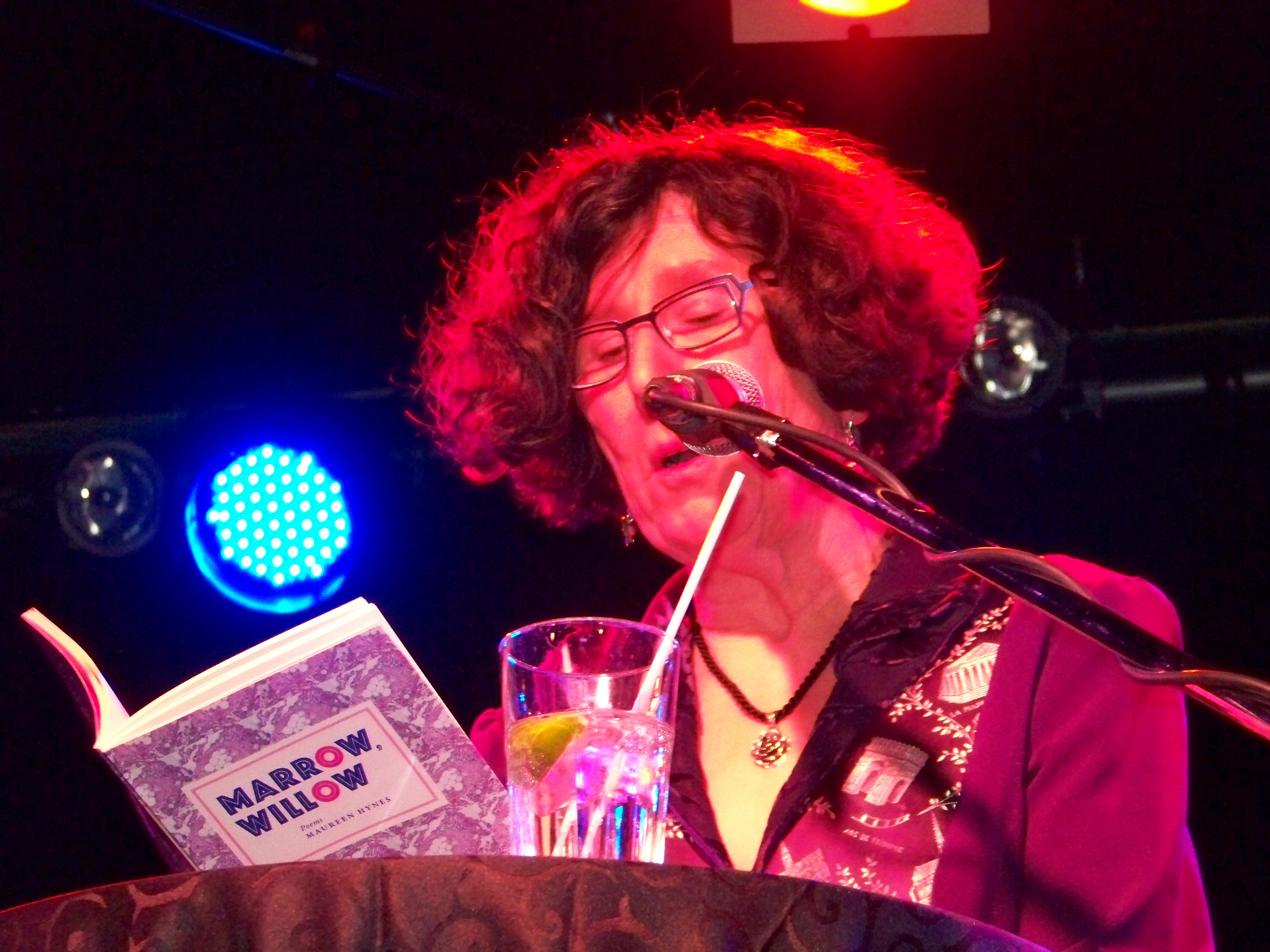
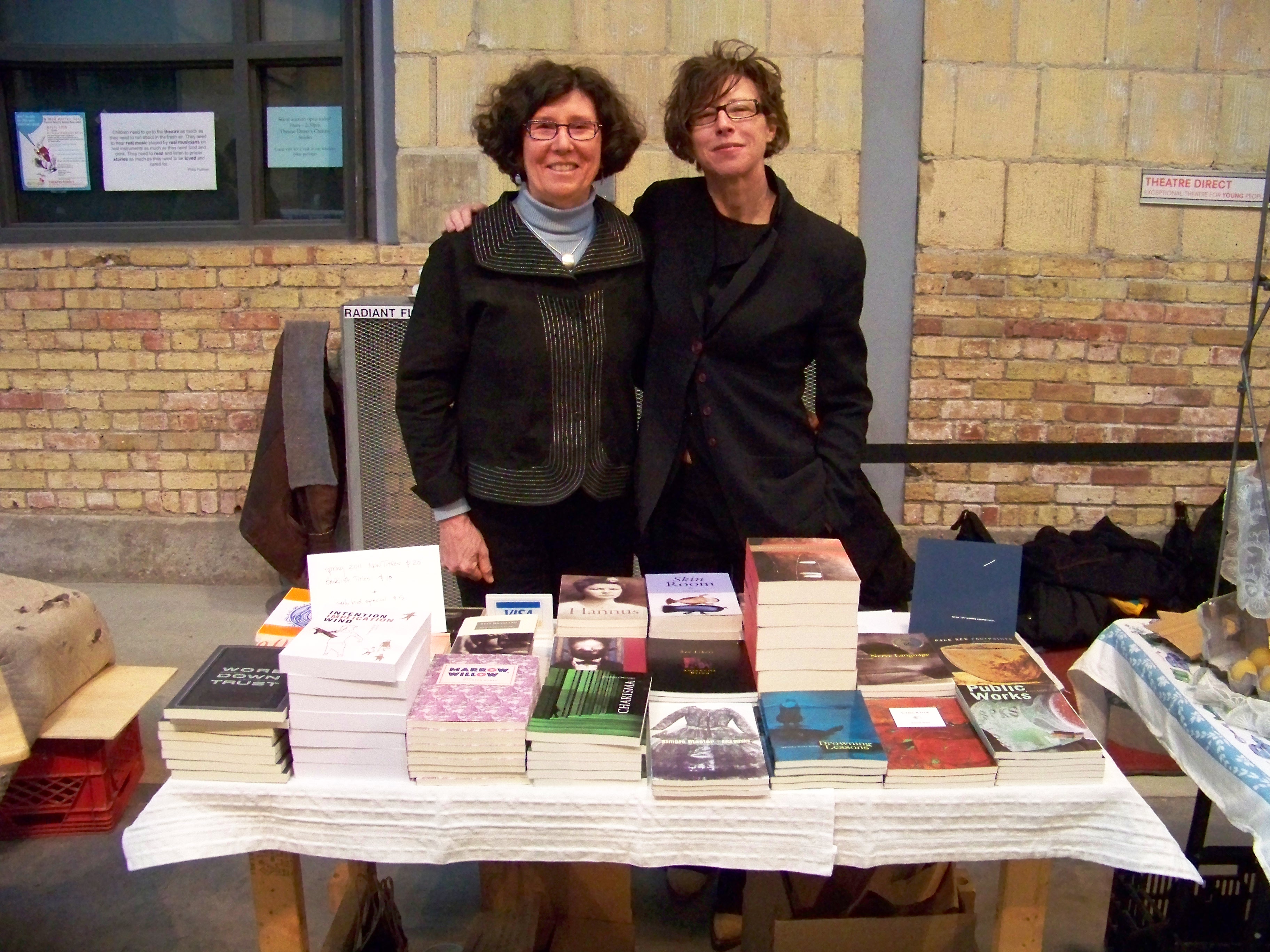
TORONTO POET MAUREEN HYNES READS HER POETRY

I first met Maureen Hynes at a Toronto Women’s Bookstore event.  I recognized her from a photo on the net.  I was just curious to see who the editor was who chose my poem No Les Da Verguenza for publication in Our Times: Canada’s Independent Labour Magazine.  I also read Maureens’s first two books of poems; I figured if the editor liked my stuff about working class women of colour then I might like their stuff; and I did.

Maureen was kind in person and it’s always a pleasure running in to her at events.  

I hope you enjoy Marueen reading poetry from her new, and third, book of poems Marrow, Willow.

Tune in to Black Coffee Poet Monday April 25, 2011 for a review of “Betta Tomorrow” by Jamaican Dancehall star Lazah Current.

Posted in Poetry | Tagged , , , , | Leave a comment

INTERVIEW WITH TORONTO POET MAUREEN HYNES

Maureen Hynes has published three books of poetry, Rough Skin (Wolsak and Wynn) Harm’s Way (Brick Books), Marrow, Willow (Pedlar Press) and is working on a fourth. She has twice been selected for the Banff Writers’ Studio and in 2007, a selection of her poems were shortlisted for the CBC Literary Award.  She is Poetry Editor for Our Times,Canada’s national labour magazine.

BCP: Why poetry?

MH: Well, the power of art – how to explain its force? The ability to create art out of language, to shape it, with form, into not just something that’s beautiful, but something that also resonates with us emotionally and is taken into the core of our beings and remembered – that is something that feels urgent and compelling to me. I think for a lot of people, especially women and marginalized people, the struggle to find your voice and use it is almost a life-and-death one.

What’s at risk in not expressing yourself is running through your entire life, without consciously reflecting on what you are experiencing daily; without in some way, making it yours. And when I am writing, when I am solving poetic problems, that has become a way of engaging the deepest part of myself. I feel like I am most me when I am doing that.

Jeannette Winterson says the following about art, but it really summarizes what I feel about poetry:

“Art is not documentary. It may accidentally serve that function in its own way, but its true effort is to open us to dimensions of the spirit and the self that normally lie smothered under the weight of living.”

For me, that’s both the challenge and the reward of poetry, to pull out from under that smothering blanket, the important things in our lives. And in a subtle way, that’s really what I am trying to get across to readers.                       

BCP: What is your process?

MH: I strive for a daily writing practice, even just a brief 15-minute writing session if I can’t manage anything more. Sometimes I do this in a café, sometimes at home (though there are many distractions there!). But ideally, I take 2 hours or so, could be morning or afternoon. I start with reading poetry, to move me onto the meditative ground that is, I think, the ground that poetry springs from. Then I get into some new writing and, a couple of times a week, some searching through my journals to see if there are any jottings that say to me, “I could be a poem!” Sometimes, the lucky times, something has occurred to me as an urgent idea to write about, and I sit down to write on that particular thing. Mostly I have to search my way into my subjects. I am aiming these days to write 1 or 2 poems a week.

BCP: How long have you been writing poetry?

MH: Of course I was writing poetry in my teens and early twenties, but got derailed from it by life, work, study, relationships, the usual big distractions. Though I was always keeping a journal. But in the early nineties, I enrolled in a couple of workshops for women writers with some amazing poets (Libby Scheier, Helen Humphreys, Rhea Tregebov) and just sort of took off from there. It was at a time when both my parents were getting older and were quite disabled and I was able to take very little time for my writing, but it was precious. In those days, writing felt like I was climbing onto a stable and supportive raft in a very troubled sea.

BCP: Who are your influences?

MH: There are a string of poets that have had a big impact on me, for different reasons:  Adrienne Rich, Pablo Neruda, Tomas Transtromer, Jack Gilbert, Erin Mouré, Don McKay, Gwendolyn MacEwen, Roo Borson.

BCP: Do you see poetry as a form of activism?

MH: In some ways, yes; of course as we try to be more authentically ourselves in the world and engage with it as it really is, that is for some people a form of activism. I say for some people, because not every poet sees it that way. But for me, this engagement requires an awakeness, a presence, a vitality to really take in what’s happening in the world, and then to witness what is going on even if you can’t change it, at least not alone or right away.

BCP: You are the poetry editor for Our Times: Canada’s Independent Labour Magazine.  Being an editor and a writer are very different.  How has being an editor affected the poet side of you and vice versa?

MH: You’re right:  it’s an important but different skill to be able to read poetry critically and to help another writer hone his or her work. I feel very honoured to have been in two or three writing groups over the years where writers workshop their work and learn to look for the strengths and “soft spots” in each other’s writing. In the work I do for Our Times, I am always searching for poets who are engaging with the world of work, or the labour movement, or with social justice issues, in a vital and urgent way.

Many of the poets are very welcoming when I suggest edits that might enhance the poem’s power. I feel all this work serves to sharpen the skills I bring to my own writing, though I think even very senior poets are quite aware that we all have a certain blindness about our own writing – flaws and errors and infelicities and vaguenesses that stand out to other readers somehow remain invisible to us, and need pointing out. That’s why I am such a big fan of workshopping.

BCP: Your two previous collections, Rough Skin and Harm’s Way, were more political.  What changed in Marrow, Willow?

MH: Hmm, interesting; and other people feel that the work is very political! I don’t feel like there has been a substantial change in the quantity of political poems over the three books – Marrow, Willow is divided into four sections, as you know, and the final one is intended to be the home for the political poems. So the book does deal with issues like globalization, torture, severe political repression, environmental damage, war and how guilt for war can be individualized into the lives of soldiers, how our working lives daze and exhaust us, and so on. But I do have to say that this book is a little more hopeful, a little less full of dread because of the new and sustaining love in my life, a presence that wasn’t in previous books.

BCP: The launch for Marrow, Willow was packed.  It felt like poetry mattered, that people sill have an appreciation for what is regarded as the most underappreciated genre.  What did that night feel like for you?

MH: It was amazing! To have over a hundred people there, people from so many different communities – the writing community, labour, education, family, friends – all supporting me and the work and the publisher! It was very gratifying and I don’t think I touched ground for a couple of days afterwards.

BCP: Your first published book was a memoir: Letters from China.  Did writing a memoir help with your poetry?  Why have you not written another memoir?  Would you consider writing another memoir? 

MH: Letters from China was written before I went back to poetry – I have always had the compulsion to be writing – letters, journals, academic writing, technical writing, a little fiction… and then finally, back to poetry. That book was the result of an amazing experience of teaching in China in 1980 when the country was on the verge of some enormous changes – the end of the Cultural Revolution; the trials of the Gang of Four; the one-child policy had just come in and the west was finally beginning to recognize China in significant ways. To get close to Chinese people and experience the fabric of their lives was really intense, and I just needed to write at least an hour a day – this time in the form of letters – to grab it all and get it down.

Another memoir? In some ways, I feel my poetry is my memoir. That’s the only kind of memoir I am considering writing at the moment.

BCP: What are you working on now?

MH: I have a couple of series of poems I am working on – the Art Gallery of Ontario installation of a dress made of twigs by native artist, Rebecca Belmore, Rising to the Occasion has inspired a series of poems about dresses, some of them quite political. I was in Chile in January for almost a month and have been working on polishing the poems I wrote there. Otherwise, I am still just writing day-to-day, and getting the odd assortment of unrelated poems written, too.

BCP: When do you expect to have a fourth collection of poetry published?

MH: Soon! Now that I am retired from my teaching job at George Brown College, I am hoping to have a much shorter gap between books than between Marrow, Willow and my previous ones. It’s a very long process, though, and the publishers are having such hard times now that it’s hard to see forward into what is possible.

BCP: You quote many poets in Marrow, Willow.  Is there a book of poems that you read over and over?  Do you have a recommended reading list for young poets?

MH: There are a couple of anthologies from Copper Canyon Press in the U.S. that I read over and over, and take with me on trips:  Like Underground Water and The Gift of Tongues.

But as for a list of poets for younger folks, I’d recommend different poets for different things:

  • Don McKay for his sensitivity to nature and to language and the sheer wit of his work
  • Lorna Crozier for the ease and naturalness of her voice and yet the mastery of form
  • Tomas Transtromer for his brilliant metaphors and his engagement with all the artefacts of modern life
  • Sina Queryas (especially Expressway) for a sharp feminist intelligence
  • Robert Hass for some fine political poems, especially about U.S. foreign policy
  • Dionne Brand for the startling beauty and intelligence of her work, and her engagement with what life in a big Canadian city is like, especially for immigrants to Canada and people of colour
  • A collection by Carolyn Forché, Against Forgetting:  Twentieth Century Poetry of Witness for a really comprehensive collection of political poems across many cultures and continents and wars
  • Anything by Pablo Neruda for his joie de vivre, his intense involvement in the worlds of nature, literature, human life and the politics of South America – and for his gorgeous language.

Other poets that have meant a lot to me are John Steffler, Ronna Bloom, Roo Borson,  Jane Kenyon, Paulette Jiles, Gwendolyn MacEwen, Federico Garcia Lorca, Philip Levine, Jane Hershfeld, Jack Gilbert… the list goes on.

BCP: What advice do you have for other writers out there who are having difficulties with their writing, or who have yet to see their work in print, or who are afraid to perform their poetry?

MH: Of course keep reading! Go to poetry readings and writing events in libraries. As I’ve mentioned, the thing that has helped me the most is to workshop my work with other poets, and a good way to get yourself into a trusted and nourishing and challenging group is to take a course at a college or a university and from there, find a few simpatico souls who will make a commitment to meeting regularly and learning. Remember that the way is long… there are so many people writing and sending their work out and the publishing opportunities are so few that it takes many tries before your work gets picked up.

Tune in to Black Coffee Poet Friday April 22, 2011 for a video of Maureen Hynes reading her poetry.

Posted in Poetry | Tagged , , , , , , , , , , , , , , , , , , , , , , , , , , , , , , , | 3 Comments

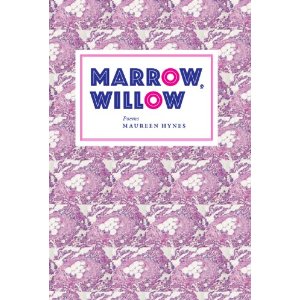
MARROW, WILLOW

Marrow, Willow

By Maureen Hynes

Reviewed by Jorge Antonio Vallejos

Marrow, Willow, Maureen Hynes third collection of poems stays true to its title: it goes deep while remaining flexible.  It’s a bit different than her first two collections Rough Skin, winner of the Gerald Lampert award for Best First Book of Poetry in 1995, and Harm’s Way published in 2001.  Hynes, the current poetry editor for Our Times: Canada’s Independent Labour Magazine, wrote from a hardcore feminist and leftist place in her previous books.  Working class themes ran throughout Rough Skin and Harm’s Way.  Images of her grandmother, a newcomer to the West, scrubbing floors while on her knees are the sort of the stories written up on the pages of her first two collections. Marrow, Willow sees Hynes move in a different direction, one of reflection and romance with a little bit of a rebel still present.

Marrow, Willow is split in to four parts:

1)    Melting and Loss are your Tools

2)    Thirty Roses, and other Ceremonies

3)    Paseo de los Tristes

4)    Clapping

The title for the last section is on point as that’s exactly what the reader will be doing once they finish Marrow, Willow.

Poets are known for questioning society and pushing buttons.  But how many actually write down questions?  Hynes, freshly retired and in a different phase of life, ends Take This My Body, a poem inspired by a walk through a cemetery with:

“What will we do with our bodies,

What will we make with our lives?” 

Attending funerals and taking walks in cemeteries always get people thinking.  Take This My Body is that type of poem that most can relate to.  Hynes has the ability to take common scenarios and bring the reader on her journey.      

In Clapping Hynes explores the monk rebellion in Burma 2007 (and reminded this writer of the film Burma VJ).  After reading an article in The Globe and Mail Hynes put pen to pad:

“If they watched they will be hauled away for a beating, fists and boots

cracking their jaws and ribs and vertebrae.  If they stand

in the rain on the sidewalk and applaud, the rain of fists as well

and a small sentence, two to five years.” 

Hynes asks, “How many beatings do they deserve?”

Not only does Hynes explore an uncommon act—Buddhist monks taking a political stance—she reminds North Americans of how different it is to protest in the West than any other place.  Even the G20 in Toronto 2010 with all its crimes committed by thugs in police uniform pales in comparison to what happens in the rest of the world.   

Hynes takes the reader throughout her life with poems about weddings (Wedding, 1927); being dressed by her mother before school (Mouchoir); museums and their appropriation of Native culture (Trading Blue and After Rising); the making of jelly (Crabapple Jelly 1 and 2); suicide (The Hanged Man); and a local park (Christie Pits).

There are love poems too.  Ones that are not conventional or cheesy as many tend to be.  Hynes gets erotic and writes of emotion without telling.  She shows you the embraces in bed, the failed attempts at dancing tango, the gaze she and her lover share with one another, and the years of being together without writing down a number.

Fold, one such love poem and the origin of the collection’s title, sees a car ride, cuddling in bed, the wonder about the future, kisses, and transformation:

“change fear into fold, sorrow into marrow, marrow, willow.” 

A true poet, Hynes has beautiful lines throughout Marrow, Willow that has the reader stop mid poem to admire her work:

1)    the rain drumming at the window

2)    River opens its arms, yields to ocean

3)    Saltwater séance

4)    My cough brushes like sandpaper

Hynes pays homage to great writers by including quotes throughout her collection.  Showing that she is well read, Amichai, Belmore, Berger, Lorca, Macewen, and Neruda are the prompts for several of Hynes’ poems in her latest collection.

“Perhaps the earth can teach us when everything seems dead and later proves to be alive,” a quote by Pablo Neruda, starts the collection.  Marrow, Willlow, Hynes’ long awaited third collection of poems, does the same.

Tune into  Black Coffee Poet Wednesday April 21, 2011 for an inclusive interview with Maureen Hynes.

Posted in Poetry | Tagged , , , , , , , , , , , , , , , , , , , , , , , , , , | 2 Comments

BLACK COFFEE POET READING AT BROCKTON WRITERS 17

I had the honour of reading at Brockton Writers 17 earlier this month.  Toronto writers Ava Homa, Marcus McCann, and Sarah Greene read and sang short stories, poetry, and folk music.

I read my memoir essay, Embracing My Identity, published in The Kenyon Review (Winter 2010); and three poems hounouring my mother: The Buzz; Julia, 20 Years; I Use My Mother’s Last Name

Enjoy!

Posted in Poetry | Tagged , , , , , , , | Leave a comment

JAMAICAN POET RUDYARD FEARON READ HIS POETRY

Rudyard Fearon is able to talk for hours about poetry.  Hanging with him for almost four hours in his office felt like 2o minutes. With a flow in conversation as steady as his poems, Fearon keeps you engaged throughout.

Listen to Fearon read from his book Noise in my Mind.

Posted in Poetry | Leave a comment